
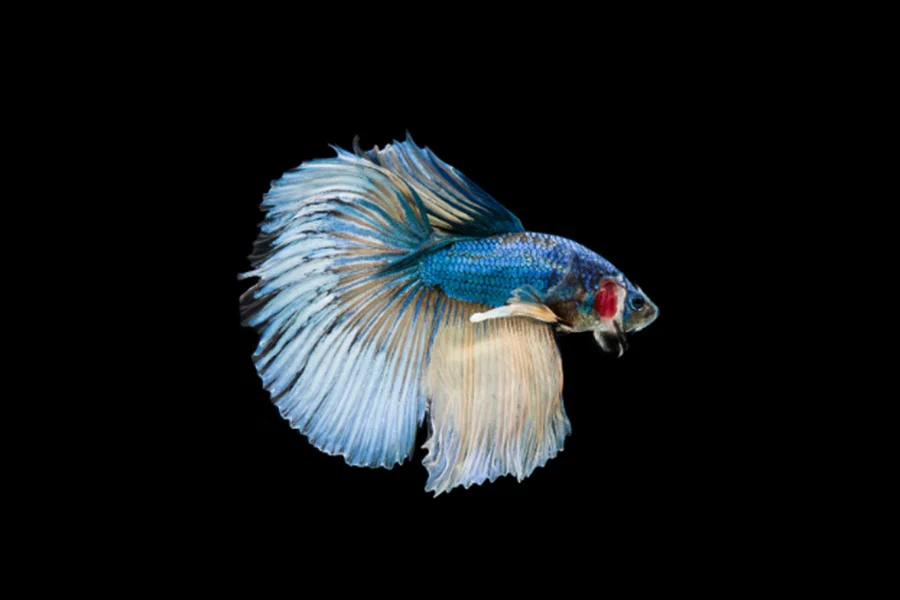
If you have ever seen a betta fish with wide, flowing fins that look like soft fabric waving in the water, you may have seen an elephant ear betta male. These fish stand out right away because of their large side fins that look like the ears of an elephant. They are also called Dumbo bettas, and they are one of the most eye-catching types of betta fish today.
How Elephant Ear Betta Males Look
The first thing most people notice is the large side fins. These fins are soft, wide, and move gently as the fish swims. They often give the fish a slow, graceful look when moving through the water.
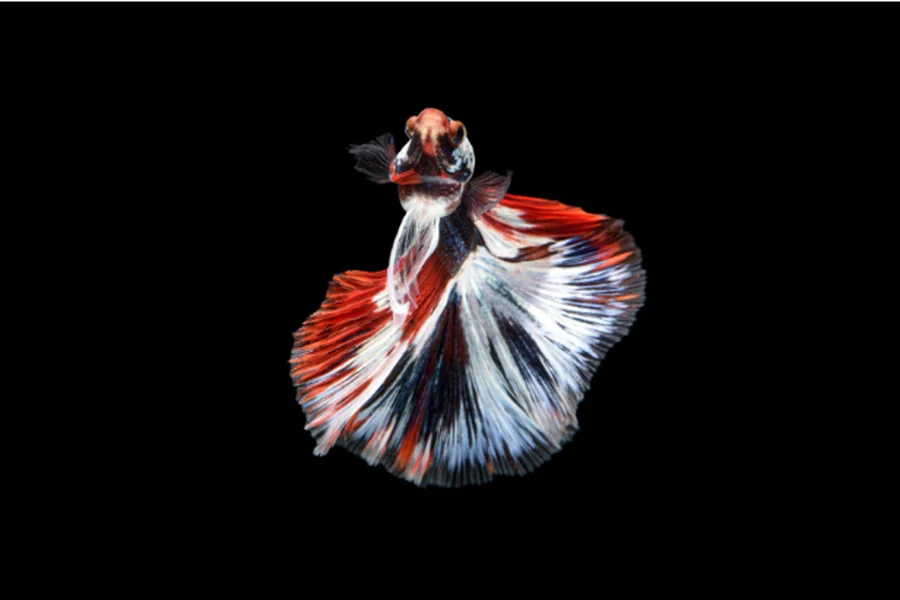
Elephant ear betta males come in many colors. Some are solid colors such as red, blue, white, black, or yellow. Others have mixed colors like blue and red, or white with dark edges. Some even look metallic or shiny under light. Each fish is slightly different, which makes them fun to keep.
Their body size is similar to other betta fish. They are small, but the fins can make them look much larger. Male bettas are also known for their long tail fins, and in elephant ear bettas, this feature is often very full and flowing.
Personality and Behavior
Elephant ear betta males are known for having strong personalities. Like other male bettas, they can be curious, alert, and sometimes stubborn. They like to explore their space and often watch what is going on outside the tank.
They are also known for being territorial. This means they do not like sharing their space with other male bettas. If two male bettas are kept together, they will often fight, which can lead to torn fins, stress, and even death. Because of this, an elephant ear betta male should almost always be kept alone unless you have a large, carefully planned community tank.
With their owners, bettas often show interest and can even learn to recognize the person who feeds them. Many people notice their betta swimming to the front of the tank when they approach.
Tank Size and Setup
One of the most common mistakes people make is keeping a betta in a tank that is too small. While bettas are often sold in cups, this is not how they should live long-term. An elephant ear betta male needs enough space to swim freely without stressing its fins.
A tank that gives the fish room to move, rest, and explore is best. Clean water, stable temperature, and gentle water flow are very important. Since elephant ear bettas have large fins, strong water currents can make swimming difficult for them. A gentle filter is best.
Water Conditions and Cleanliness
Clean water is one of the most important parts of keeping an elephant ear betta male healthy. Dirty water can cause infections, fin damage, and breathing problems.
The water should be clear and free of waste buildup. A filter helps keep the tank clean, but it does not replace regular water changes. Part of the tank water should be replaced on a regular schedule to keep it fresh.
Feeding an Elephant Ear Betta Male
Elephant ear betta males are meat eaters. In the wild, bettas eat small insects and larvae found near the surface of the water. In captivity, they need a diet that gives them enough protein to stay active and healthy.
High-quality betta pellets are a good main food. These pellets are made to meet the nutritional needs of bettas. They should be fed in small amounts to avoid overfeeding.
Frozen or dried foods such as bloodworms, brine shrimp, and daphnia can be given as treats. These foods should not replace the main diet, but can be given from time to time to add variety.
Health and Common Problems
Like all fish, elephant ear betta males can get sick if their environment is not kept clean and stable. Some of the most common problems include fin rot, fungal infections, and swim bladder issues.
Fin rot often appears when the fins start to look ragged or torn without a clear reason. This can be caused by dirty water or stress. Clean water and proper treatment can help stop the damage.
Watching your fish every day helps you catch problems early. A healthy elephant ear betta male should be active, alert, and interested in food.
Can Elephant Ear Betta Males Live With Other Fish
While elephant ear betta males are best kept alone, some people do keep them in community tanks under the right conditions. If you choose to do this, the tank must be large enough, and the other fish must be calm and not aggressive.
Fish that nip fins should never be kept with bettas. The large fins of an elephant ear betta make them an easy target for fin nippers. This can lead to injuries and stress.
Breeding Behavior in Elephant Ear Betta Males
Breeding bettas is not for beginners, but it is still useful to understand their behavior. Male bettas build bubble nests at the surface of the water when they are ready to breed. These nests are made from bubbles coated in saliva and float on the surface.
Elephant ear betta males show the same breeding behavior as other bettas. They guard the nest and collect the eggs after breeding. The male becomes very protective during this time.
How Long Do Elephant Ear Betta Males Live
With proper care, an elephant ear betta male can live a good number of years. Clean water, proper food, stable temperature, and a stress-free setup all play a big role in how long the fish stays healthy.
Poor care, dirty tanks, and bad feeding habits can shorten their lifespan. Many problems that shorten a betta’s life are preventable with simple daily care.
Final Thoughts
The elephant ear betta male is one of the most beautiful and interesting betta types available today. With its wide side fins, bright colors, and strong personality, it quickly becomes the center of attention in any tank.
Even though they are easy to care for compared to many fish, they still need clean water, proper food, and a safe environment. When these needs are met, an elephant ear betta male can live a full, active life and give its owner years of enjoyment.
If you are looking for a fish that is simple to care for, full of character, and visually stunning, the elephant ear betta male is a great choice.

