
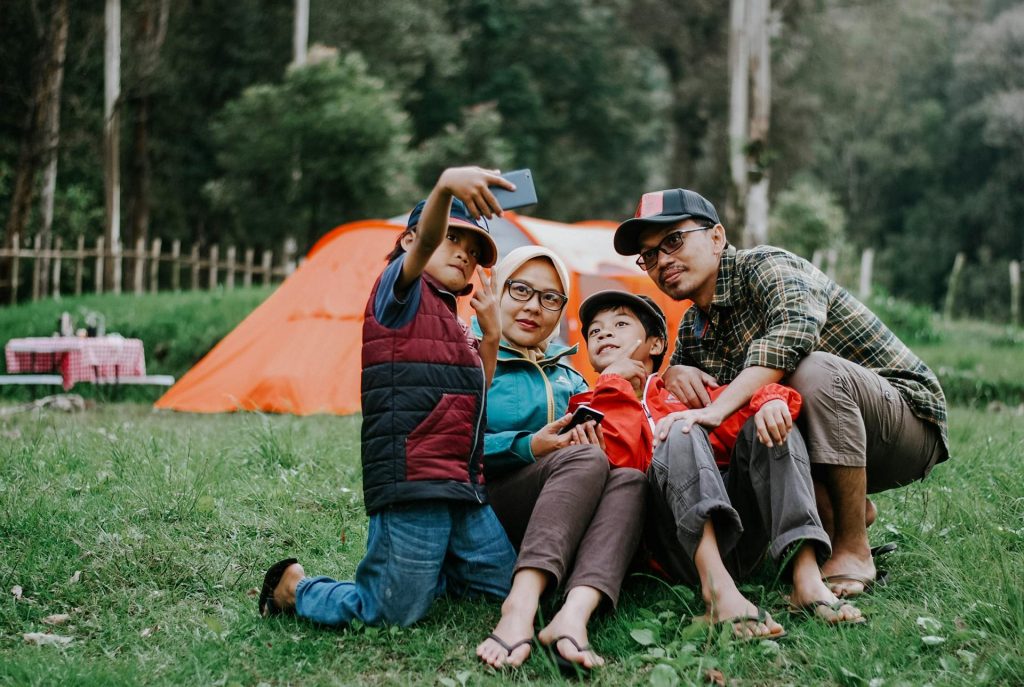
Family camping sounds simple enough. Pack the car, pick a campsite, and head outdoors for a few days. Then reality shows up. Someone forgets a flashlight, the tent feels too small, dinner takes twice as long to make, and suddenly the trip feels more exhausting than relaxing.
That doesn’t mean camping has to be complicated. With a little planning and the right setup, you can avoid most of the common frustrations before they happen. When everything is organized, camping becomes what it should be: time spent outdoors, evenings around the fire, and a chance to enjoy each other’s company without rushing from one thing to the next.
Let’s look at a few simple ways to make your next family camping trip smooth, comfortable, and enjoyable from start to finish.
Choose a Destination That Matches Your Family’s Needs
Not every campground works for every family. A remote site might sound exciting, but if you’re traveling with young children, long drives and limited facilities can create unnecessary stress. Look for places that offer clean restrooms, easy access to water, and activities everyone can enjoy.
Think about what your family actually likes doing. Some campsites sit near hiking trails, while others are closer to lakes, playgrounds, or fishing spots. When the location fits your family’s interests, there’s less complaining and more time spent enjoying the trip.
Ensure You Have the Right Tent Ready Before You Leave
Your tent can make or break the entire trip. If it’s cramped, difficult to set up, or unable to handle changing weather, you’ll notice those problems pretty quickly. A family needs enough space to sleep comfortably, store gear, and move around without constantly bumping into each other.
That’s why many campers look at specialty providers like Wall Tent Shop. They offer canvas wall tents, outfitter tents, hot tents, and larger shelters designed for extended outdoor use. For a family camping trip, a spacious canvas wall tent is often the safest choice. It provides extra room, solid weather protection, and better airflow than many smaller camping tents. When everyone has enough space to sleep and keep their belongings organized, mornings start calmer and evenings feel far more comfortable.
Create a Practical Camping Checklist
Camping becomes much easier when you know exactly what you’re bringing. A checklist helps prevent those frustrating moments when you arrive at the campsite and realize an important item is still sitting at home.
Start with essentials such as cooking supplies, sleeping gear, clothing, toiletries, and safety equipment. Then add items specific to your destination and planned activities. Keep the list simple and review it before loading the car. A few minutes spent checking supplies can save hours of inconvenience later.
Pack Clothing for Comfort and Changing Weather
Weather forecasts don’t always cooperate with camping plans. A warm afternoon can turn into a chilly evening faster than expected, especially in wooded areas or near water.
Pack clothing that works in layers. Lightweight shirts, comfortable pants, sweatshirts, and waterproof outerwear give you options throughout the day. Extra socks deserve a spot in every camping bag. Wet or uncomfortable feet can make hikes, walks, and campsite chores much less enjoyable. When everyone stays dry and comfortable, the focus stays on the trip instead of the weather.
Set Up a Comfortable Sleeping Area
Sleep can decide the mood of the whole trip. If everyone wakes up stiff, cold, or annoyed, the next day starts rough before breakfast even happens. So give sleeping arrangements real attention.
Use sleeping bags suited for the weather, not just whatever is sitting in the garage. Add sleeping pads or air mattresses to keep everyone off the hard ground. Pillows from home help kids settle faster, and extra blankets are useful when the temperature drops at night. Inside the tent, keep bags, shoes, and flashlights in set spots so nobody has to search in the dark. A cozy sleeping setup means calmer mornings, better energy, and fewer complaints before the day begins.
Keep Kids Engaged With Outdoor Activities
Kids love camping more when they have something to do besides asking when dinner is ready. You don’t need a packed schedule, but a few planned activities can keep the day moving nicely.
Try a simple scavenger hunt, a short nature walk, card games, bug spotting, or safe camp chores like collecting kindling with supervision. Let kids help set up chairs, organize snacks, or choose the evening game. When they feel included, they’re less likely to get bored or restless. Bring a ball, a frisbee, coloring supplies, or a small adventure kit. The goal is to give them enough freedom to explore while keeping the day easy for everyone.
Put Safety First Without Limiting the Fun
Camping should feel relaxed, but you still need a safety plan. Kids should know where they can walk, which areas are off-limits, and what to do if they lose sight of the campsite.
Pack a first-aid kit with bandages, antiseptic wipes, allergy medicine, pain relievers, tweezers, and any personal medications your family needs. Keep flashlights close, especially at night, and make sure everyone has sturdy shoes. Store food away from sleeping areas so animals don’t get curious. Review fire safety before lighting a campfire, and never leave it unattended.
Focus on Creating Meaningful Family Memories
Once the tent is up, meals are planned, and everyone has what they need, give yourself room to enjoy the trip. You don’t have to fill every hour with an activity. Some of the best camping moments happen when nobody is rushing.
Sit together after dinner, let the kids tell stories, watch the stars, or take a slow walk near the campsite. Put the phones away for part of the day so conversations don’t get interrupted every few minutes. Take photos, but don’t turn the whole trip into a photo session. When you slow the pace, children notice small things, adults breathe easier, and the trip feels like real time together instead of another busy weekend.
Camping gives your family something that everyday life often pushes aside: space to talk, laugh, wander, rest, and reconnect without a packed calendar pulling everyone in different directions. The fresh air is great, and the campfire is nice, but the real value is in the way the trip brings everyone into the same moment.
You may come home with muddy shoes, smoky clothes, and a car full of gear, but you also bring back stories that belong only to your family. That is what makes the effort worthwhile. With the right setup and a little patience, camping becomes more than a trip outdoors. It becomes a tradition your family will want to repeat.

