
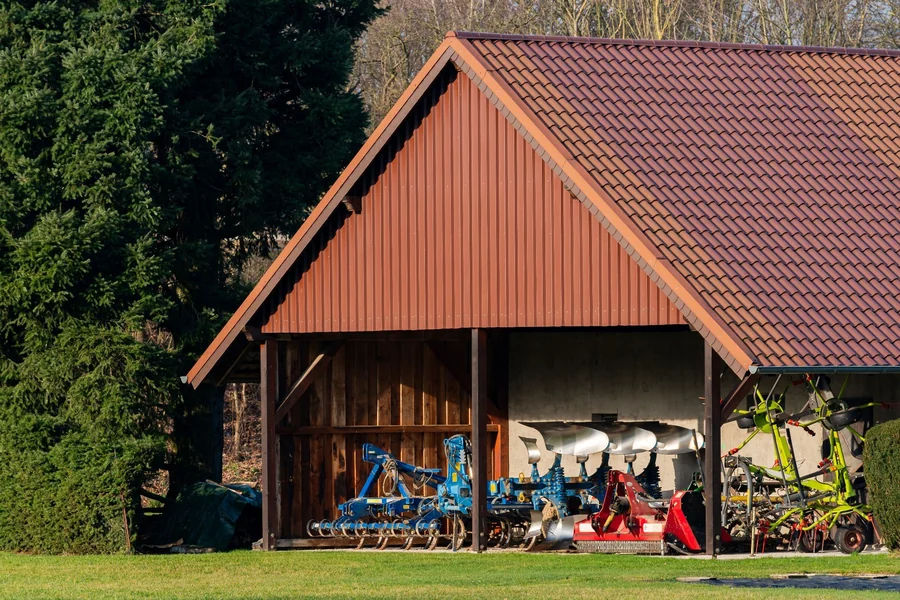
Every farm should have a shed. Instead of leaving your farming tools and equipment in the open, you need a dedicated space to store them. Sheds shield them from the elements, which can cause lasting damage that’s often expensive to repair.
However, your farm storage shed shouldn’t just be a simple structure. A well-built, high-quality shed ensures stability and protection for your machinery.
If you plan to upgrade your current setup or build a new one, here are eight essential features all farm equipment sheds should have.
1. Ample Space and Clearance
It’s always better to have extra space than not having enough. Most farm equipment is tall, bulky, and often shaped differently. A shed must handle those features without making the space feel too cramped.
If you own a combine or plan to buy one soon, your shed has to accommodate its height and width. Remember to account for trailers, attachments, and future equipment you’re considering getting. Consider maneuvering space, too. You need enough room to drive in, park, and move around.
Reputable providers of premium farm sheds understand the need for extra space. You can check out several options designed and built by experts to see which one’s best for your farm. Some farm buildings are even specifically created for specific purposes, such as keeping grain or livestock.
2. Durable, Weather-Resistant Materials
Well-built farm equipment sheds are your first line of defense against rot, rust, and sun damage. That’s why materials matter.
Steel and galvanized metal are excellent choices because they can handle any beating from weather and time. If you prefer wood, make sure it’s pressure-treated and sealed properly.
Pay close attention to joints and fasteners, too. A single rusty screw can lead to a bigger problem if moisture seeps in.
3. Easy Access Points
Nothing’s more bothersome than having to unload or maneuver your farm equipment through an opening that’s too narrow. A farm shed should have wide accessible access points. Sliding, roll-up, or even large double doors can make entry and exit much easier.
If you move equipment in and out often, consider installing motorized doors to save time and effort. Don’t have only one entry point, either. Multiple doors also allow for much better maneuverability.
4. Ventilation and Climate Control
Most farm equipment storage sheds are massive metal boxes. So, imagine the feeling inside when it doesn’t have proper ventilation. It’s going to feel warm and humid because of moisture and condensation. That’s the enemy of metal buildings.
Ventilation is also something you shouldn’t overlook in farm buildings. Ridge vents, louvered vents, or even strategically placed fans can prevent humidity buildup indoors. If you store fuel or sensitive parts, you may also want to consider some insulation and climate control. This feature is especially essential in areas with extreme temperatures.
5. Solid Security Features
You wouldn’t leave your house unlocked 24/7, so why should you expose your pricey farm equipment? Start by adding lockable doors and sturdy frames to your shed. Motion-activated lights outside can discourage would-be thieves and vandals from coming closer.
It’s also worth installing a security camera system, whether you have high-value equipment or not. In case you suspect something to have moved or stolen in the night, you have video footage you can inspect.
Some farmers even run fencing around their farm equipment storage area for additional peace of mind. A little security is crucial, and can go a long way when you’re trying to sleep through a storm or blackout.
6. Foundation and Flooring Options
Farming equipment is often heavy. So, your storage shed’s foundation should be able to handle the weight of multiple pieces of equipment. The foundation must remain stable without shifting, cracking, or collecting water.
A concrete foundation is the most durable option if you want a clean, level surface for maintenance. However, compacted gravel also works well, especially in temporary structures. Avoid plain soil. Regular soil on your farm property turns into mud when it rains, causing a mess and settling into an uneven surface.
Good drainage around your farm building’s perimeter frees the foundation from pooling water. Stagnant puddles near the base can cause rust and structural problems.
7. Room for Future Expansion
You might not need extra space now, but you might in a year or two. Maybe you’ll purchase a new cultivator or make your shed double as hay storage. It helps to plan your farm equipment sheds ahead.
Look for farm equipment storage sheds with designs that allow for modular expansion. Ones that leave room on the property for a future add-on are also great to consider.
Rebuilding or relocating an entire metal shed because you outgrew it is a hassle and an expense. However, with a bit of oversight, this issue can be easily avoided.
8. Utility and Power Connections
This feature isn’t essential for every farmer, but it’s definitely a nice upgrade. If you’re doing repairs or maintenance inside the shed, having electrical outlets is beneficial.
Proper lighting also helps when you’re working late or during darker months of the year. If you get water lines in, you’ll appreciate it during cleaning or irrigation equipment storage. Some farmers even utilize solar generators to power a few basics without adding to their energy bills.
Conclusion
Farm equipment sheds are investments that boost an agricultural property’s efficiency. A well-designed and built storage shed provides additional space and weather protection for all your essential machinery.
When you’re looking for a new shed or planning to build one, seek these eight features. They ensure the structure stands tall for many years and its contents stay safe.

