
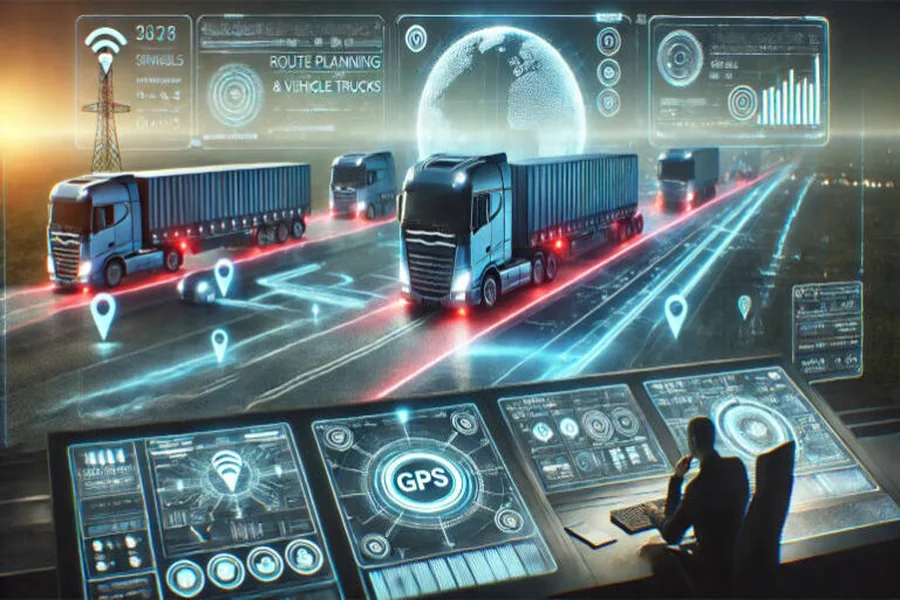
As we push into 2026, the daily grind of fleet management feels more intense than ever. It’s no longer just about keeping the engines running; it’s a high-stakes logistics game where every minute of “dead time” is a direct hit on the budget. For companies running everything from heavy construction rigs to city-wide delivery vans, the old habit of pulling into a retail pump is finally being questioned. When you really break down fleet fueling vs gas station fueling, you realize that sending a professional driver to a public pump isn’t just a chore, it’s a massive waste of a company’s most expensive assets.
With labor costs at an all-time high and delivery windows getting tighter by the day, fleet managers are looking for any edge they can find. That’s why mobile fueling has moved from a “nice-to-have” service to a total game-changer. The benefits of fleet fuel delivery services are becoming the foundation for fleets that actually want to scale without burning out their crews or their equipment.
Why “Gas Station Time” is Actually Lost Revenue
Let’s be honest: a “quick” fuel stop is never actually quick. By the time your driver navigates a heavy vehicle through traffic, waits for an open island, fumbles with a fleet card, and maybe grabs a coffee, you’ve easily burned 30 minutes. If you have ten trucks doing that every day, you’re losing 25 hours of production every single week. That’s an entire work week gone to keep the tanks full.
Modern fleet fueling flips that script. The fuel comes to the yard while the drivers are home. This means when the team clocks in, they turn the key and go. No detours, no idling in line, and no wasted payroll. Over a year, that reclaimed time allows for more service calls, more deliveries, and a much healthier bottom line.
Killing Downtime Before It Starts
In this industry, downtime is the silent killer. Whether it’s a truck stuck behind a line of cars at a station or an unscheduled stop that throws off a whole day’s route, it costs you money. But by 2026, the most advanced operators have made refueling a “background task.”
Think of it as a “while you sleep” shift: by syncing your mobile fueling with your maintenance schedule, your trucks get filled and serviced in a single overnight window. It creates a seamless loop in which the entire fleet is 100% road-ready by dawn. No morning scrambles, no delays, turn the key and go.
This level of operational continuity is the only way to meet the strict service-level agreements customers demand today.
Local Pressure and the Regulatory Shift
It’s not just about the money, though. We’re seeing a big push from local governments to get heavy commercial traffic away from public pumps. In states like California and Texas, city planners are backing mobile fueling because it reduces congestion and wear and tear on neighborhood roads.
Looking Ahead
The “old way” of fueling is becoming a liability. As we move through 2026, the gap between fleets using mobile services and those still stopping at the pump will only widen.
For managers trying to Figure out the best path forward, companies like Rhino Fuel are proving that this transition doesn’t have to be complicated. By bringing the fueling station to your own backyard, you’re not just buying gas, you’re buying back the time and efficiency you need actually to grow.

