
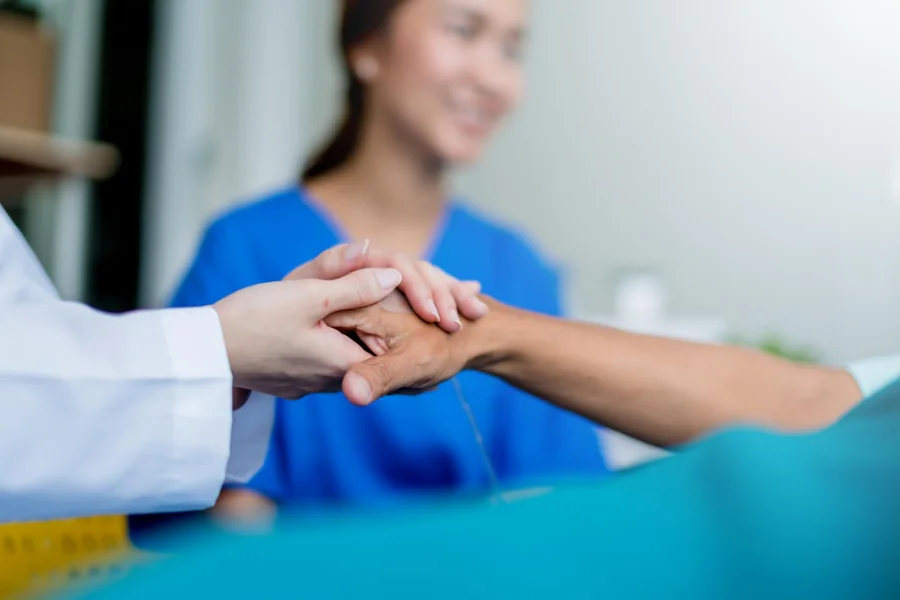
The path from classroom learning to clinical practice represents one of the most transformative journeys a person can take. Becoming a healthcare professional requires more than academic achievement—it demands resilience, empathy, and an unrelenting commitment to helping others. Every stage, from the first anatomy class to the first real patient encounter, shapes both the knowledge and the character of those who dedicate their lives to healing.
The Early Steps: Foundations in Education
The journey begins long before stepping into a hospital. It starts in lecture halls and laboratories, where aspiring healthcare workers first encounter the human body not as a person, but as a system to be studied and understood. Courses in biology, chemistry, and physiology build a foundation of knowledge that will later guide every diagnosis and treatment.
However, medical education is not limited to memorizing facts. It is also about learning to think critically and ethically. Students must develop the ability to question assumptions, evaluate data, and apply scientific reasoning to complex, real-world problems. Professors and mentors push them to look beyond textbooks and understand how medical theory connects to human experience.
Many also begin to explore broader healthcare philosophies, such as Islamic medicine, which emphasizes holistic well-being and harmony between body and soul. This integration of science with compassion reminds future professionals that healthcare is not only about curing disease—it is also about restoring balance and dignity.
The Emotional Transition
The leap from the safety of a classroom to the unpredictability of clinical environments can be overwhelming. For the first time, students must interact with patients rather than case studies. They witness the vulnerability, pain, and courage of those seeking care. No textbook can fully prepare someone for the emotional depth of that experience.
Fear is common at this stage. Doubts about competence, anxiety over mistakes, and the pressure to perform can weigh heavily on trainees. Yet, it is through these moments of uncertainty that confidence begins to grow. Supervisors and senior staff often remind newcomers that every experienced clinician was once a nervous beginner. Learning in this setting is as much about personal growth as it is about technical mastery.
Over time, students begin to find their rhythm. They learn how to communicate with patients, manage difficult conversations, and work as part of a multidisciplinary team. They discover that empathy and active listening are as vital as medical expertise. These early clinical experiences transform abstract learning into meaningful human connection.
Bridging Knowledge and Practice
One of the biggest challenges in this transition is applying theoretical knowledge to practical situations. The classroom provides rules and frameworks; the clinic teaches flexibility and judgment. A patient may not present symptoms exactly as described in a textbook. A disease might manifest differently due to environmental or genetic factors.
This is where mentorship becomes invaluable. Senior healthcare professionals guide students through real-life scenarios, helping them understand not just what to do, but why to do it. They encourage them to think beyond the obvious and consider the patient’s broader context—social, emotional, and spiritual.
Many institutions also emphasize community outreach programs where trainees can apply their skills outside hospital walls. Participating in initiatives like international medical relief exposes them to global health challenges, such as access disparities, cultural barriers, and resource limitations. These experiences build adaptability and humility, reminding future professionals that medicine extends beyond borders and socioeconomic lines.
The Ethical Dimension
Healthcare is built on trust. From the moment a patient enters a clinic, they place their wellbeing in another person’s hands. For healthcare professionals, this trust carries immense ethical responsibility. Upholding integrity, maintaining confidentiality, and practicing without bias are non-negotiable principles.
Ethics education often intensifies during clinical training. Students encounter moral dilemmas that challenge their values: when to withdraw treatment, how to balance patient autonomy with medical judgment, and how to navigate limited resources. These questions rarely have easy answers, yet grappling with them cultivates moral maturity.
Understanding the cultural and religious dimensions of care also plays a role here. Respecting patients’ beliefs and traditions is essential to providing holistic treatment. Systems like Islamic medicine highlight the moral and ethical duties of a healer—emphasizing compassion, sincerity, and accountability before both the patient and a higher power. Integrating these perspectives helps clinicians provide care that is both medically sound and culturally sensitive.
Mastering Communication
Technical knowledge may save lives, but communication builds trust. In clinical settings, healthcare professionals must convey complex information clearly and compassionately. Whether explaining a diagnosis, discussing treatment options, or delivering difficult news, words carry weight.
Effective communication is not only verbal. Tone, body language, and empathy all contribute to the therapeutic relationship. Patients often remember how they were treated emotionally more than the specific details of their care.
Communication within healthcare teams is equally vital. Doctors, nurses, therapists, and technicians must collaborate seamlessly to ensure coordinated and efficient care. Miscommunication can lead to errors, while open dialogue fosters safety and mutual respect.
The Evolution of Identity
As students progress through their training, they undergo a profound identity shift—from learners to practitioners. This transformation is gradual but deeply personal. The white coat, once a symbol of aspiration, becomes a uniform of responsibility.
In the early years, professionals may feel like impostors—questioning their abilities even after obtaining qualifications. Over time, each successful patient interaction reinforces a sense of competence and belonging. The journey also teaches humility; healthcare workers realize that learning never ends, no matter how experienced they become.
Reflection plays a crucial role in this evolution. Many professionals keep journals or participate in peer discussions to process their experiences. This habit fosters self-awareness and emotional resilience, which are essential in a field that often involves suffering and loss.
Challenges Along the Way
The path from classroom to clinic is not without obstacles. Burnout, long hours, and emotional fatigue are common. Balancing professional dedication with personal well-being requires discipline and support systems.
Mentorship, peer networks, and institutional resources help trainees navigate these difficulties. Encouraging open conversations about mental health and work-life balance is increasingly recognized as a crucial part of medical education.
Another ongoing challenge is adapting to rapid technological advancement. The rise of digital health, artificial intelligence, and telemedicine is reshaping how healthcare is delivered. Professionals must constantly update their skills to remain effective and ethical in this evolving landscape.
Service Beyond Borders
Many healthcare professionals discover that their calling extends beyond their local communities. Participating in humanitarian missions or global outreach initiatives exposes them to environments where medical resources are scarce but human spirit is abundant.
Working with organizations dedicated to international medical relief offers firsthand insight into the inequalities that persist in global health. Practitioners learn to innovate with limited tools, rely on teamwork, and adapt to diverse cultural expectations. These experiences reaffirm the universal values of medicine: compassion, respect, and service.
Such exposure also strengthens their understanding of preventive medicine and public health. They witness how sanitation, nutrition, and education impact disease patterns and realize that healing is not confined to hospitals—it begins within communities.
Lifelong Learning and Professional Growth
The completion of formal education marks not an end, but a new beginning. Healthcare professionals must engage in continuous learning to stay current with evolving medical evidence and technologies. Research, conferences, and peer collaboration are integral to maintaining excellence.
Specialization often follows, allowing practitioners to deepen their expertise in a specific field. Whether pursuing surgery, pediatrics, mental health, or public health, each path contributes uniquely to the broader healthcare ecosystem.
Continuing education also reinforces humility. Medicine is dynamic; what was standard practice a decade ago may now be outdated. Accepting change and embracing innovation ensures that patient care continues to improve over time.
The Reward of Purpose
Despite its challenges, a career in healthcare is profoundly fulfilling. The opportunity to ease suffering, save lives, and make tangible differences in communities brings a deep sense of purpose. The relationships formed with patients and colleagues become lifelong sources of inspiration.
Moments of gratitude—a patient’s recovery, a family’s relief, a child’s smile—remind healthcare professionals why they chose this path. These human connections outweigh the fatigue, the long shifts, and the constant pressure.
At its heart, the journey from classroom to clinic is one of transformation. It is a journey of becoming—not only a skilled professional but also a compassionate human being who embodies the principles of service, integrity, and empathy.
Conclusion
The road from student to clinician is both demanding and rewarding. It tests intellect, endurance, and moral strength. Yet, it also offers a rare privilege: to heal, to comfort, and to contribute to the well-being of others.
Every healthcare professional carries lessons from both the classroom and the clinic—knowledge fused with compassion, science guided by ethics. From the earliest anatomy lesson to the quiet reassurance given at a patient’s bedside, the journey defines a lifelong commitment to humanity itself.
Through constant learning, ethical practice, and global awareness, healthcare workers uphold the timeless spirit of healing that transcends cultures, borders, and generations. Their path reminds us all that medicine, at its core, is not just a profession—it is a calling.
