
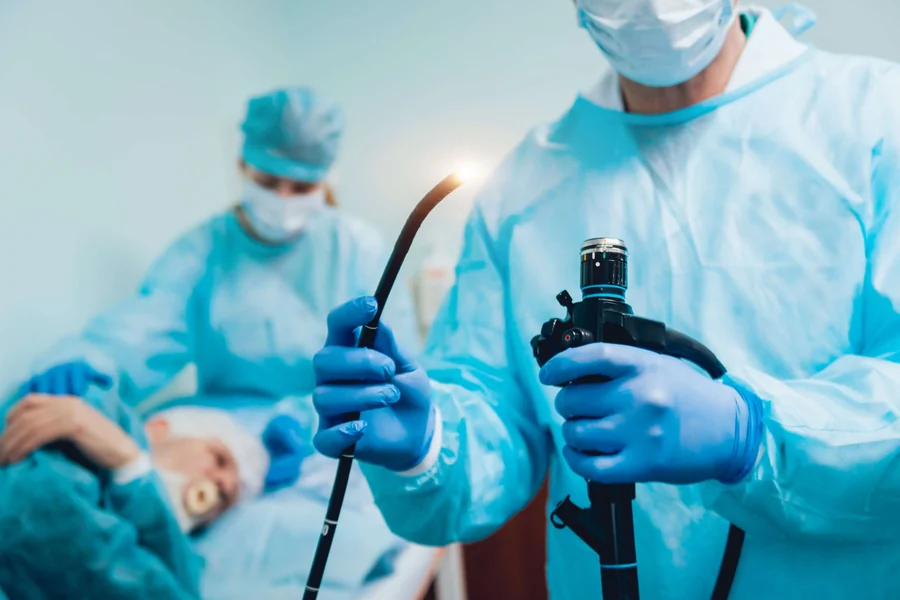
A gastroscopy is a specialized medical procedure for examining the esophagus, stomach, and upper part of the small intestine. It helps detect and diagnose conditions like ulcers, acid reflux, inflammation, or even early signs of stomach cancer.
The procedure is performed using a thin, flexible tube called a gastroscope, which has a camera at the tip. This allows doctors to view the upper digestive tract in detail.
In a typical gastroscopy clinic in Singapore, it is the gastroenterologist, a specialist in digestive health who administers the procedure. Before the procedure, you will be given a mild sedative to help you relax.
A numbing spray may also be applied to your throat to reduce discomfort. Once this is done, the gastroscope is then carefully guided through your mouth, down the digestive tract.
The procedure itself usually takes around 10 to 15 minutes. If necessary, the doctor may take tissue samples (biopsy) or remove abnormal growths during the examination.
What Are the After-Effects of Gastroscopy?
Most patients recover from a gastroscopy without complications. However, mild and temporary side effects are common after the procedure.
These effects typically resolve on their own within a few hours to a day. After your gastroscopy in Singapore, you may experience mild after-effects like;
- Sore Throat and Mild Discomfort: Since the gastroscope is passed through the throat, mild irritation or a scratchy feeling may. Some patients may experience a sore throat for a few hours after the procedure. You may want to drink warm liquids or suck on throat lozenges for relief.
- Bloating or Mild Stomach Discomfort: During a gastroscopy, the specialist will inflate your stomach with air to get a clear view of the digestive tract. This may cause mild bloating or a feeling of fullness after the procedure. You might also experience mild belching or gas as the air is released naturally.
- Drowsiness or Lightheadedness: If sedation was used, you may feel drowsy or groggy for several hours. Some people also experience mild dizziness or temporary memory lapses due to the sedative effects. This is why patients are advised to arrange for someone to drive them home after the procedure.
- Nausea or Mild Discomfort: Some people report feeling slightly nauseated after a gastroscopy. This is particularly common if sedation was used. This feeling usually subsides quickly with rest and hydration. Eating light meals can also help ease discomfort.
- Minor Bleeding (If a Biopsy Was Taken): If the doctor took a tissue sample or removed small polyps, slight bleeding may occur. After your gastroscopy in Singapore, you may notice a small amount of blood in your saliva or have a slightly dark-colored stool. This is usually harmless and resolves on its own. However, heavy bleeding should be reported to a doctor immediately.
How Long Does It Take to Recover from a Gastroscopy?
The required time needed when recovering after undertaking a gastroscopy varies depending on whether a patient was sedated and had additional processes like a biopsy undertaken. The majority of patients visiting our facility to receive their gastroscopy procedure in Singapore feel well again after several hours, and on their next day, they are able to continue with their normal activities. Here is a brief summary of the kind of thing that can usually be expected to happen to you after your gastroscopy in Singapore;
- Immediate Recovery (0–3 Hours): After the procedure, you will be monitored in the recovery area for about 30 minutes to an hour to ensure there are no immediate complications. If sedation was used, you may feel drowsy and require more time to wake up fully. Once stable, you can go home, but you should not drive or operate machinery for the rest of the day.
- Short-Term Recovery (3–12 Hours): Most mild side effects, like bloating, sore throat, or mild nausea, improve within a few hours. Drinking water and eating soft foods can help with recovery. It is also advisable to avoid large meals until the stomach settles.
- Full Recovery (24 Hours and Beyond): By the next day, most patients feel completely normal. Any lingering throat discomfort or bloating should have subsided. If a biopsy was performed, results typically take a few days to a week. Your doctor may schedule a follow-up appointment to discuss findings.
What Not to Do After Gastroscopy?
Given that there are certain aspects you will need to take care of should you desire to recover with ease and reduced strains, following are some of the things you will want to avoid after your gastroscopy in Singapore. The most important of these are;
- Eating or Drink Immediately After the Procedure: If a throat numbing spray was used, you will need to wait at least 30–60 minutes before eating or drinking. This prevents the risk of choking, as the numbing effect can temporarily reduce the swallowing reflex. Starting with small sips of water before eating is recommended.
- Heavy or Spicy Foods: Your digestive system may be sensitive after the procedure. Spicy, greasy, or acidic foods can cause irritation and discomfort. So, it is best to stick to soft, bland foods like soups, rice, and boiled vegetables for the first 24 hours.
- Driving or Operating Machinery: If sedation was administered, it can take several hours to wear off completely. You may feel groggy or less alert, which will make it unsafe to drive or handle heavy machinery. It is best to rest and avoid strenuous activities for the remainder of the day.
- Drinking Alcohol and Caffeinated Beverages: Alcohol and caffeine can irritate the stomach lining, especially after a biopsy. It can also delay your recovery. It is recommended to avoid coffee, tea, carbonated drinks, and alcoholic beverages for at least 24 hours. Staying hydrated with plain water is the best option.
- Ignoring Unusual Symptoms: Mild discomfort is expected after a gastroscopy. However, severe abdominal pain, persistent vomiting, high fever, or difficulty swallowing could indicate a complication. If these symptoms occur, medical attention should be sought immediately.
In Summation
Being performed on right, gastroscopy in Singapore will assist you to identify the existence of gastric ulcers and inflammation among other digestive disorders. Although the process is harmless and does not take much time, slight side responses such as sore throat, bloating or sleepiness are possible. Luckily, such symptoms pass within several hours, and the majority of patients are full-recovered in a single day.
Have unexplained digestive naus, heartburn, stomach ache or have trouble swallowing? A gastroscopy can give you answers. Our Singapore clinic of Gastroenterology provides services of Gastroscopy by skilled professionals. Book an appointment today to know more.
