
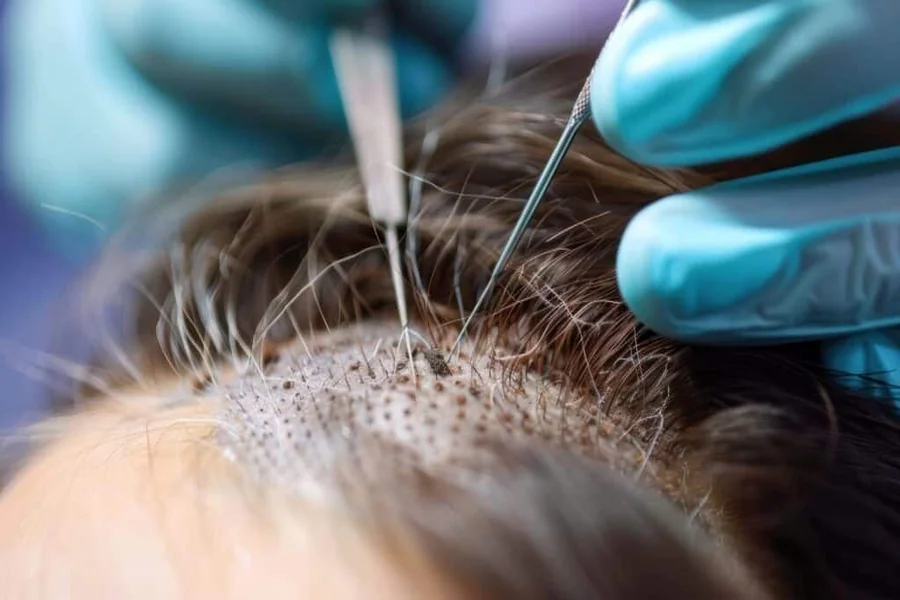
A hair transplant donor area is the region of the scalp that provides healthy, permanent follicles for transplantation. In most patients, this area is found at the back and sides of the head. The hair there is resistant to male pattern baldness due to genetics.
During surgery, doctors carefully take grafts from the donor area. They then place these grafts into thinning or bald spots. The quality, density, and stability of this zone affect how natural and durable the final results will be.
Key Takeaways
- The hair transplant donor area is typically located at the back and sides of the scalp, where hair is genetically resistant to male pattern baldness and suitable for long term transplantation.
- The two main harvesting techniques, follicular unit extraction FUE and follicular unit transplantation FUT, differ in approach and scarring but both aim to safely preserve each individual follicular unit.
- Donor strength depends on hair density, hair thickness, and stability over time, which determine how many grafts can be safely removed without visible thinning.
- Careful planning and conservative harvesting are essential because donor supply is limited, and long term results rely on protecting this region for future needs.
- This article explains what the donor zone is, how hair is harvested using FUE and FUT, and how doctors evaluate suitability. It also reviews healing, limitations, and long term planning considerations.
Understanding the Hair Transplant Donor Area
The hair transplant donor area is the part of the scalp that provides permanent follicles for transplantation. It is selected because the hair in this region is resistant to the hormone responsible for male pattern baldness.
When moved to a thinning area, this hair usually continues growing long term.
Most donor areas for hair transplant are located in the mid occipital scalp. In some cases, surgeons may also consider beard or other sources through body hair transplantation. The goal is to maintain a natural look in both the donor and recipient area.
If donor hair for transplant is weak or limited, overall results will be affected. That is why evaluation of the donor zone is the first step in hair restoration surgery planning.
Where Does the Hair From Hair Transplants Come From?
Patients often ask, where does the hair from hair transplants come from. In most cases, it comes from the patient’s own scalp, specifically from the back and sides of the head. This region provides stable follicles that are less likely to thin over time.
Hair grafts are formed from naturally occurring follicular groupings. Each individual follicular unit typically contains one to four hairs. These units are carefully prepared before being placed into the recipient site.
When scalp supply is limited, body hair transplantation may be considered. However, scalp hair remains the preferred source because it provides the most consistent texture and growth pattern.
Techniques Used to Harvest Hair – FUE vs FUT
There are two primary methods used in a hair transplant procedure to harvest hair: follicular unit extraction FUE and follicular unit transplantation FUT. Both techniques aim to preserve each individual follicular unit while protecting the surrounding scalp.
Follicular Unit Extraction FUE
In follicular unit extraction FUE, hair grafts are removed one at a time using a small circular instrument. This approach is minimally invasive and does not leave a linear scar.
Key characteristics include:
- No long visible scar
- Small circular marks that fade over time
- Gradual extraction to protect hair density
- Suitable for shorter hairstyles
Follicular Unit Transplantation FUT
In follicular unit transplantation FUT, a thin strip of scalp is removed from the donor region. The strip is then dissected under magnification into hair grafts for placement.
Advantages may include:
- Higher graft yield in a single session
- Efficient coverage of a larger bald area
- Preservation of surrounding donor sites for hair transplant
Both options can produce strong outcomes when performed by experienced hair transplant surgeons. The decision depends on scalp laxity, hair characteristics, and long term strategy.
What Defines a Strong Donor Area?
Not every patient has the same donor capacity. Surgeons assess several factors before recommending hair transplant surgery.
They evaluate:
- Hair density in the donor zone
- Thickness and quality of good hair
- Stability of hair growth over time
- Current stage of male pattern baldness
Higher hair density allows more grafts to be removed safely. If density is low, overharvesting may create visible thinning.
Age and progression of hair loss also matter. Younger patients often require conservative extraction to preserve options for future procedures.
Planning and Measuring the Donor Zone
Careful planning helps protect long term appearance. Before surgery, doctors estimate how many grafts can be safely harvested.
They consider:
- Total available graft supply
- Size and location of the recipient area
- Likelihood of future hair loss
- Any previous surgical history
Taking too many grafts at once can reduce density in the back of the scalp. A balanced approach protects both short term and long term results.
For patients seeking hair restoration in Palm Beach Gardens, personalized assessment ensures that graft numbers align with both cosmetic goals and future hair changes.
The Importance of the Recipient Area
The recipient area is the thinning or bald area where grafts are implanted. Its design plays a major role in visual outcome.
Each recipient site is created to match natural angle and direction. This careful placement supports even hair growth and a realistic appearance.
Surgeons must balance density with blood supply. Overpacking grafts into a small space can reduce survival rates.
Healing After Donor Harvesting
Recovery depends on the harvesting technique used. With FUE, small scabs form at the extraction points and typically resolve within days.
With FUT, patients may feel tightness in the donor region due to sutures. Proper wound care supports smooth healing.
Doctors generally advise patients to:
- Avoid intense exercise for several days
- Keep the scalp clean as directed
- Limit sun exposure during healing
- Attend follow up visits
Most donor sites for hair transplant heal predictably when post operative instructions are followed.
Limitations of Donor Availability
The donor supply is finite. Surgeons cannot create new follicles; they can only redistribute existing ones.
Common limitations include:
- Advanced male pattern baldness
- Low hair density
- Thin hair shafts
- Previous hair transplant surgery
In selected cases, body hair transplantation may provide supplemental grafts. Even so, results depend on realistic expectations and careful surgical planning.
Long Term Stability and Future Strategy
Hair transplant surgery provides durable improvement because transplanted follicles retain their genetic resistance. However, surrounding native hair may continue thinning over time.
Medical therapy may be recommended to slow further loss. This helps protect both the donor zone and the recipient area.
A successful hair transplant procedure relies on:
- Conservative donor management
- Thoughtful hairline design
- Balanced distribution of hair grafts
- Ongoing evaluation
With careful planning and skilled execution, hair restoration surgery can deliver natural results while preserving the integrity of the hair transplant donor area for years to come.
