
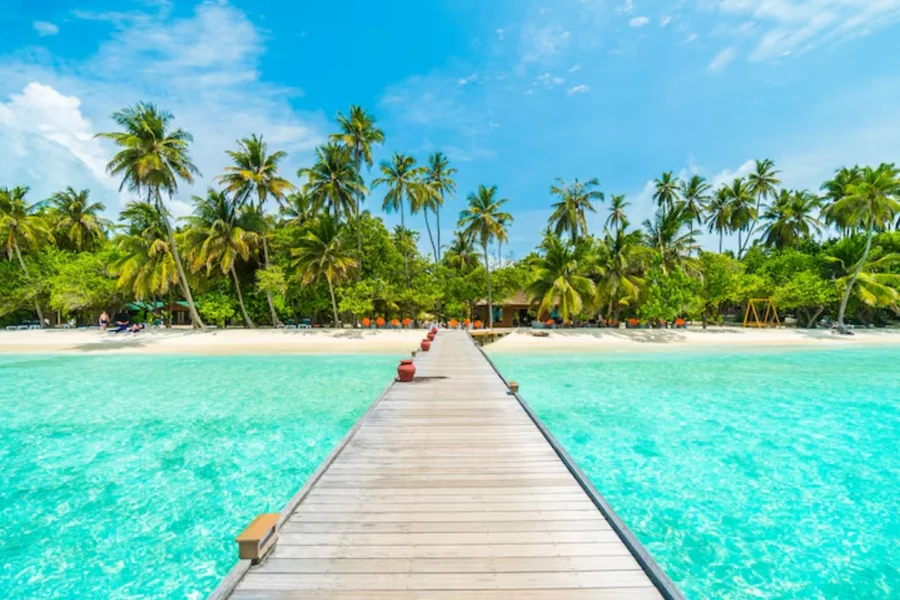
The Caribbean is often imagined as a paradise of turquoise waters, soft sands, and endless sunshine. Tourists from around the world come seeking relaxation, rum, and reggae. Yet, beyond its famous beaches lies a world of hidden cultural treasures — rich traditions, ancient art forms, and communities that have preserved their identity against the tides of modernity. These treasures tell the deeper story of the Caribbean: one of resilience, fusion, and celebration of life in all its vibrant forms.
The Deep Roots of Caribbean Identity
Caribbean culture is a tapestry woven from threads of Africa, Europe, Asia, and the Indigenous peoples who first inhabited the islands. Every island reflects a different blend of these influences, resulting in diverse languages, religions, music, and cuisines. What makes the Caribbean truly special is how these cultures didn’t just coexist but merged to create something entirely unique — a living, breathing mosaic of traditions.
In the quiet corners of the islands, beyond the tourist resorts, you can find remnants of these histories. Ancient songs still echo through mountain villages, while artisans continue to craft objects passed down through generations. These hidden elements represent not only art or ritual but also the survival of identity in a region shaped by colonization and migration.
The Forgotten Art of Storytelling
One of the Caribbean’s most overlooked cultural treasures is its oral storytelling tradition. Long before books were common, stories were told around fires and in village squares. These tales carried history, moral lessons, and humor, passed through generations in rhythmic speech.
In Jamaica, Anansi stories — featuring a clever spider who outsmarts stronger foes — remain a cornerstone of folklore. They trace back to the Akan people of West Africa, brought to the Caribbean through slavery. Across the islands, similar folktales feature spirits, tricksters, and heroes who reflect the struggles and creativity of Caribbean life.
In recent years, initiatives have emerged to preserve these stories, recording them in digital archives and school programs. They remind the younger generation that culture isn’t just something you inherit — it’s something you live and share.
Caribbean Music Beyond the Mainstream
Everyone knows reggae, salsa, or calypso, but these popular genres represent only part of the region’s musical identity. Hidden within the Caribbean are musical forms few outsiders have ever heard. In Dominica, for example, “jing ping” bands perform on handmade instruments, creating melodies that trace back centuries. In Martinique and Guadeloupe, “bélé” dancing — accompanied by traditional drums — keeps African rhythms alive through powerful movements and call-and-response chants.
Meanwhile, in the hills of Puerto Rico, the rhythms of bomba and plena still thrive. These genres, once born from the resistance of enslaved people, are now symbols of pride and cultural continuity. In intimate community gatherings, the drumbeat becomes a conversation between dancer and musician — a reminder that music, in the Caribbean, is not just for entertainment but a form of storytelling and survival.
Secret Festivals and Sacred Rituals
The Caribbean calendar overflows with festivals, but many of the most meaningful ones are unknown to most visitors. In Trinidad, beyond the famous Carnival, small villages host “Hosay,” a solemn yet colorful Muslim procession rooted in Indian traditions. In Haiti, “Rara” parades during Easter blend spirituality with street performance, uniting faith, rhythm, and rebellion.
In Cuba, Santería ceremonies — an Afro-Cuban spiritual practice — are among the most profound expressions of cultural fusion. Drumming, dancing, and chanting call upon orishas (deities) that reflect both African gods and Catholic saints. These hidden rituals reveal how Caribbean people transformed oppression into expression, creating religions and ceremonies that honored their past while adapting to new realities.
The Culinary Heritage Hidden in Plain Sight
Caribbean food is one of the clearest examples of cultural fusion — and yet, it too hides treasures beyond the typical jerk chicken or roti. Deep in the rural kitchens and street markets, families preserve recipes passed down for generations. Each dish tells a story of survival, creativity, and adaptation.
The Caribbean’s diverse ingredients — plantains, cassava, yams, and tropical herbs — were shaped by necessity and innovation. Enslaved Africans brought techniques like slow-cooking and seasoning with aromatic spices, while Indigenous peoples introduced root crops and local fruits. Europeans added meats and dairy, and Asian migrants contributed new spices and sauces.
Among these hidden culinary traditions is the gentle art of preparing Puerto Rican tea, a herbal blend infused with local leaves, flowers, and spices believed to aid digestion and relaxation. Each family has its own recipe, passed down through generations, reflecting the island’s love of nature and its connection to healing.
Across the region, local cooks continue to create what could only be described as Caribbean gourmet — a refined yet authentic cuisine that honors both history and innovation. Whether it’s slow-roasted pork seasoned with guava or fish wrapped in banana leaves, the hidden beauty of Caribbean cooking lies in its diversity and deep cultural symbolism.
Preserving Art Through Craftsmanship
Handcrafts in the Caribbean often serve as silent storytellers. Pottery, weaving, and carving preserve Indigenous and African aesthetics that have survived centuries of change. In Barbados, basket weavers still use wild reeds to create intricate patterns reminiscent of African motifs. In Saint Lucia, artisans carve masks and sculptures inspired by folklore, spirits, and local legends.
Puerto Rico, too, has kept alive its “santos” tradition — wooden carvings of saints originally made for home altars. Today, these pieces are sought-after works of art that reflect the spiritual and artistic depth of island life. Each figure is carved with devotion, merging faith and craftsmanship into something timeless.
Meanwhile, in the Dominican Republic, craftsmen transform recycled materials into musical instruments and jewelry, blending sustainability with culture. These hidden art forms remind us that creativity in the Caribbean is not only about aesthetics but also about resourcefulness and respect for tradition.
Hidden Languages and Creole Identities
Language in the Caribbean is another cultural treasure often taken for granted. The region’s linguistic landscape is a living museum of history — where English, Spanish, French, and Dutch blend with African and Indigenous languages to form new dialects.
Creole languages, for instance, emerged from necessity: a way for people of different backgrounds to communicate during the colonial era. Today, they have become symbols of identity. In Haiti, Kreyòl unites the nation. In Saint Lucia and Dominica, Patois remains a living connection to the past.
Yet, many of these dialects face extinction as globalization pressures younger generations to speak only in standard languages. Efforts to preserve them — through literature, music, and education — are crucial to protecting this linguistic diversity. Language, after all, carries not just words but entire worldviews.
Architecture That Tells Forgotten Stories
Walking through old Caribbean towns, it’s easy to miss the architectural gems hidden behind brightly painted façades. Colonial churches, wooden houses, and sugar mill ruins each tell their part of the story. In San Juan, Puerto Rico, Spanish fortresses guard the coast as living witnesses to centuries of conflict and defense.
In Curaçao and Aruba, Dutch colonial buildings painted in pastel colors reflect European influence adapted to tropical life. Meanwhile, in the French Caribbean, Creole houses with ornate balconies and wide verandas symbolize a mix of practicality and artistry.
These structures, often neglected or repurposed, stand as open-air museums. Preservationists and local historians are working to protect them, understanding that saving architecture means saving memory.
The Spiritual Side of Caribbean Life
Beyond the beaches and bars, the Caribbean’s spirituality forms one of its most profound hidden dimensions. It’s not limited to formal religion — it’s a worldview that celebrates life, nature, and community.
From the drumming ceremonies of Garifuna communities in Belize to the ancestral altars found in rural Haitian homes, spirituality is a daily presence. It manifests in gratitude for food, reverence for the sea, and respect for elders.
Even in modern times, many islanders turn to traditional healers, herbal remedies, and rituals that connect them with their roots. These practices reveal a worldview where the sacred and the everyday coexist — an understanding of life that values connection over consumption.
The Challenge of Cultural Preservation
Despite their richness, these hidden treasures face real threats. Globalization, tourism, and migration have all reshaped Caribbean life, sometimes at the expense of tradition. As younger generations move abroad or embrace modern lifestyles, the risk of losing oral histories, dialects, and artisanal skills grows.
Yet, across the region, there are signs of hope. Schools now include local history in their curricula. Artists and musicians reinterpret traditional forms with modern twists. Communities hold cultural festivals to teach the next generation about their heritage.
Digital technology also plays a surprising role. Social media platforms help small artisans sell their crafts, while digital archives safeguard oral traditions and songs. The same internet that once threatened to erase local identities is now helping preserve them for future generations.
A Living Legacy
The hidden cultural treasures of the Caribbean are not relics of the past — they are living expressions of creativity, resilience, and identity. They remind the world that the Caribbean is not just a destination but a culture that continues to evolve.
To truly know the Caribbean is to go beyond its postcard beauty and dive into its spirit — to share a home-cooked meal, listen to a folktale, or dance to a rhythm born from centuries of struggle and joy.
In every island, from Jamaica to Puerto Rico, the heartbeat of culture endures — a rhythm that connects past and present, sea and soul. The hidden treasures of the Caribbean are not buried; they are alive in the people, stories, and traditions that make this region unlike any other on earth.

