
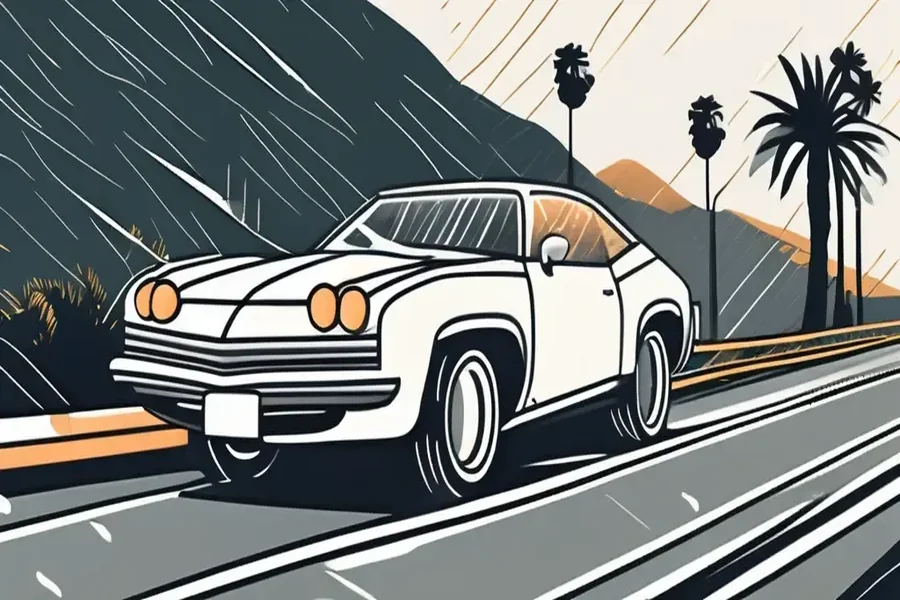
California never behaves like one state. It behaves like several stitched together. Dry stretches that burn for months. Mountain ranges that stack snow until the roads feel like narrow tunnels. Coastlines that fade into gray when the fog rolls in.
Once you start noticing those shifts, it becomes obvious that the weather controls more than comfort. It shapes driving choices. Most people don’t admit it while they shop for cars. They talk about fuel economy or space, or the deal they want. But the weather always creeps in. Some part of the brain asks the real question. Will this car feel safe in the place where I actually live?
The answer changes depending on which part of California you call home.
Fire Season and the Pull Toward Bigger, Tougher Cars
Fire season lands every year with more force than people expect. The numbers from recent years make that clear. In 2024, California recorded more than 8,000 wildfires and over 1 million acres burned. The next year followed a similar pattern. Thousands more fires were logged by midsummer. That much heat and smoke affects driving in ways that don’t always show up on a spec sheet.
When the sky goes orange and the air smells like a campfire, smaller cars start to feel fragile. Drivers in these areas often lean toward crossovers or SUVs. They want better visibility, stronger filtration, and enough power to keep moving if an evacuation happens. You never plan for that moment, but you think about it anyway.
The details matter. Tires tough enough for rough pavement during detours. A cabin that seals out smoke. Headlights that punch through haze. Safety tech adds another layer. Forward collision alerts. Automatic braking. Anything that reduces the stress of driving when visibility shrinks and the air turns thick.
This is an instinct shaped by years of late-summer fire seasons that grow longer every decade.
Sierra Winters and the Need for Real Grip
The mountains offer a different challenge. Winter settles in and quickly reminds drivers that the Sierra Nevada does not negotiate. Snowfall varies from year to year, but the 2023 to 2024 season landed at roughly 110% of the long-term average. Plenty of snow. Plenty of ice. Plenty of mornings when the only cars moving steadily were the ones ready for it.
People who live or travel through this region learn fast. Chain checkpoints stop unprepared drivers. Long climbs turn slick without warning. A steep descent can go wrong with one patch of ice. Visitors often discover the limits of their cars halfway up a pass. Local rental fleets prepare for that by stocking SUVs with enough stability to keep newcomers out of trouble.
National accident data shows how much winter contributes to weather-related crashes. Anyone who feels a car slide sideways for even a second gains a new respect for traction. That feeling sticks with you. It changes how you shop for a vehicle. Weight matters. Tire quality matters. So does a sense of control when the road surface turns unpredictable.
For drivers who face Sierra conditions year after year, these factors settle in as quiet requirements.
Fog on the Coast and the Search for Visibility
Then there’s coastal California, which plays by its own rulebook. Ventura County is a good example. Morning fog creeps in and makes everything soft and indistinct. The 101 can go from wide open to gray and guessing in a few miles. One moment you can see it clear down the lane. Next, the road feels short and the world feels close.
Fog changes your driving habits. It changes how you judge distance. It changes how quickly you trust your brakes. People who commute through these stretches start valuing simple things. Strong headlights. Clear sightlines. Mirrors that stay crisp. Stability systems that help when the haze tricks your depth perception.
Accidents do happen in this soup, even though fog accounts for a small share of overall weather crashes. But those few incidents are enough to shape behavior. When visibility drops and someone misreads a gap, the day can unravel fast.
On busy stretches like the 101, a fog-related collision can happen when drivers misjudge distance or speed. In these cases, people sometimes turn to a Ventura car accident lawyer for advice and support. It’s a practical step more than anything else. Fog makes the roads unpredictable, and locals know it.
That unpredictability pushes buyers toward vehicles that stay calm in low visibility. Adaptive headlights. All-weather tires. Cars designed with wider viewing angles. Small choices that make foggy drives feel less like guesswork.
Why These Patterns Show Up in Statewide Car Trends
Put the valleys, the mountains, and the coast together and you see a pattern that feels uniquely Californian. A single state with wildly different climates produces wildly different car preferences.
People near fire zones look for durability, visibility, and clean air systems. Mountain drivers focus on traction, weight, and winter reliability. Coastal drivers care about lighting, stability, and anything that helps when the world fades into gray.
Dealerships quietly adapt to this without much fanfare. Inventories shift depending on the region. Mountain towns lean heavily on AWD and 4WD models. Coastal cities highlight crossovers with strong safety systems. Areas near fire regions see more marketing around reliability and visibility tools. Manufacturers take notes. More new cars arrive with traction tools, sealed cabins, and lighting tech that would have been optional a few years ago.
Climate influences these decisions more than people want to admit. And as weather patterns keep changing, those influences become stronger.
A State Where Weather Always Has a Vote
After living in California for a while, you get used to making small choices that respond to the local climate. Some people adjust for smoke. Some for snow. Some for fog. These habits don’t feel like big decisions, but they add up.
A car that handles your neighborhood’s weather well becomes more than a car. It becomes a daily relief. Something steady when the world outside turns unpredictable. And California gives you plenty of those days.
The weather shapes the roads. The roads shape the choices. And eventually, the choices shape the drive.

