
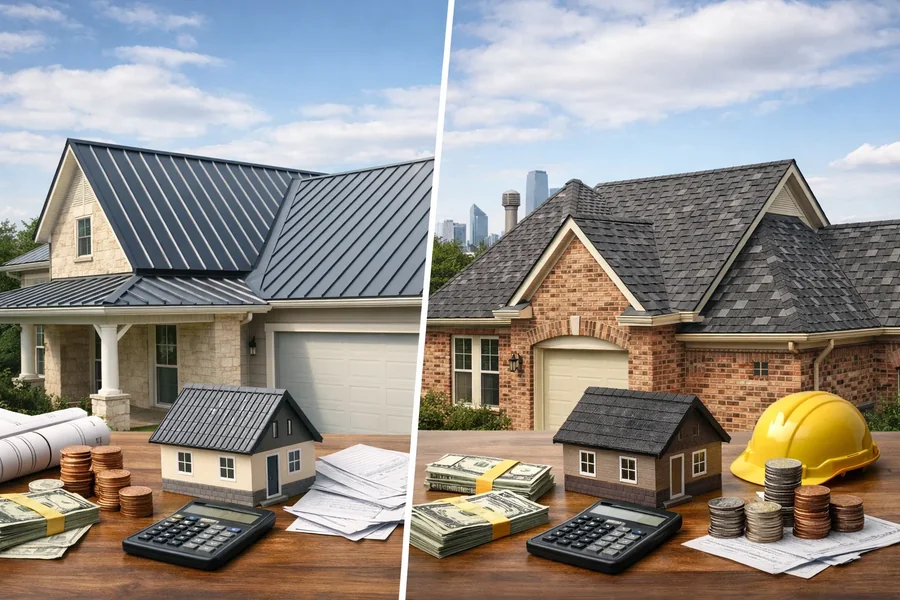
Choosing between metal and shingle roofing can feel difficult because both materials offer different advantages for cost, appearance, durability, maintenance, and weather protection. A roof affects the home’s comfort, curb appeal, energy use, and long-term repair needs, so the decision should not be rushed. Roofing contractors help homeowners compare these options by reviewing roof structure, climate exposure, budget, design goals, and expected lifespan. With the right guidance, homeowners can better understand how each material performs and which choice best fits their property’s needs.
Roofing Choices Explained
Reviewing the Home’s Current Roof Condition
Roofing contractors help homeowners compare metal and shingle roofing by starting with the condition of the existing roof. Before discussing material choices, they look at decking, slope, ventilation, flashing, drainage, previous repairs, and any signs of leaks or soft spots. This review matters because some homes may need structural preparation before installing a heavier or longer-lasting system. Shingle roofing may be familiar and cost-effective for many homes, while metal roofing may require attention to fastening systems, underlayment, and expansion movement. Homeowners researching https://tidalwaveroofing.com/brevard-county-roofing-contractors/ can use this comparison process to understand how the condition of their roof affects material selection. A contractor can explain whether the current roof shape works well with metal panels, whether shingles would suit the home’s design, and whether hidden damage should be repaired first. This prevents homeowners from choosing a material solely on appearance, without understanding the roof’s actual needs.
Comparing Lifespan and Long-Term Value
One of the biggest differences between metal and shingle roofing is expected lifespan. Shingle roofs are widely used because they are affordable, familiar, and available in many styles. However, they may need replacement sooner than metal, depending on weather exposure, installation quality, ventilation, and maintenance. Metal roofing often lasts longer and can handle strong sun, rain, and wind when installed correctly. Roofing contractors help homeowners compare the upfront cost with long-term value. A lower initial price may feel appealing, but the homeowner should also consider future repairs, replacement timing, and how long they plan to stay in the house. If a family expects to move soon, shingles may make sense. If they want a roof designed for longer service life, metal may be worth considering carefully. Contractors help turn this decision into a practical cost comparison instead of a simple price choice.
Explaining Weather Resistance and Local Conditions
Roofing materials perform differently depending on the local climate. Homes in areas with heavy rain, strong wind, salt air, intense sun, or seasonal storms may need more careful material selection. Roofing contractors can explain how metal and shingles respond to these conditions. Shingles can provide reliable protection when installed properly, but they may lose granules, lift, crack, or wear faster under harsh exposure. Metal roofing can shed water quickly and resist certain weather challenges well, but it must be installed with correct fasteners, seams, and flashing to prevent leaks. Contractors also review roof pitch, nearby trees, drainage patterns, and attic ventilation because these details affect both materials. A roof that works well in one region may not be the right fit for another. By connecting material performance to the home’s environment, contractors help homeowners choose a roof that can more reliably handle local conditions.
Looking at Appearance and Home Style
The roof is one of the most visible parts of a house, so appearance matters. Roofing contractors help homeowners compare how metal and shingle roofing will look with the home’s style, siding, trim, landscaping, and neighborhood setting. Shingles come in many colors and textures, making them easy to match with traditional homes. Metal roofing can create a clean, modern look, but it also comes in styles that can suit farmhouse, coastal, and classic designs. Contractors may show samples, discuss color fading, explain panel profiles, and help homeowners picture how the finished roof will change the home’s exterior. This guidance is useful because a material may look different on a large roof than it does in a small sample. Homeowners also need to consider how sunlight, roof angles, and surrounding colors affect the final appearance. A thoughtful comparison helps the roof support both protection and curb appeal.
Reviewing Maintenance and Repair Needs
Metal and shingle roofing have different maintenance needs, and roofing contractors help homeowners understand what to expect after installation. Shingle roofs may need periodic checks for missing shingles, lifted edges, granule loss, damaged flashing, or nail pops. Repairs are often familiar and easier to match when individual shingles are damaged. Metal roofs may require checks for fasteners, sealants, scratches, panel movement, and flashing details. They can be durable, but proper installation and occasional review still matter. Contractors can explain how tree branches, foot traffic, debris buildup, and gutter problems affect each roof type. This helps homeowners plan for future care rather than assuming any roof is maintenance-free. Understanding repair needs also helps with budgeting. If a homeowner wants simpler small repairs, shingles may feel practical. If they want fewer replacement concerns over time, metal may deserve closer consideration. The right choice depends on how the homeowner wants to manage upkeep.
Roofing contractors help homeowners compare metal and shingle roofing by reviewing roof condition, lifespan, cost, weather resistance, appearance, maintenance, comfort, and long-term value. Each material has different strengths, and the right choice depends on the home’s needs and the owner’s goals. Shingles may offer a familiar style and a lower upfront cost, while metal may provide longer service life and strong weather performance. A contractor helps explain these trade-offs clearly before installation begins. With careful guidance, homeowners can choose a roofing system that protects their homes, fits their budgets, and fosters lasting confidence.

