
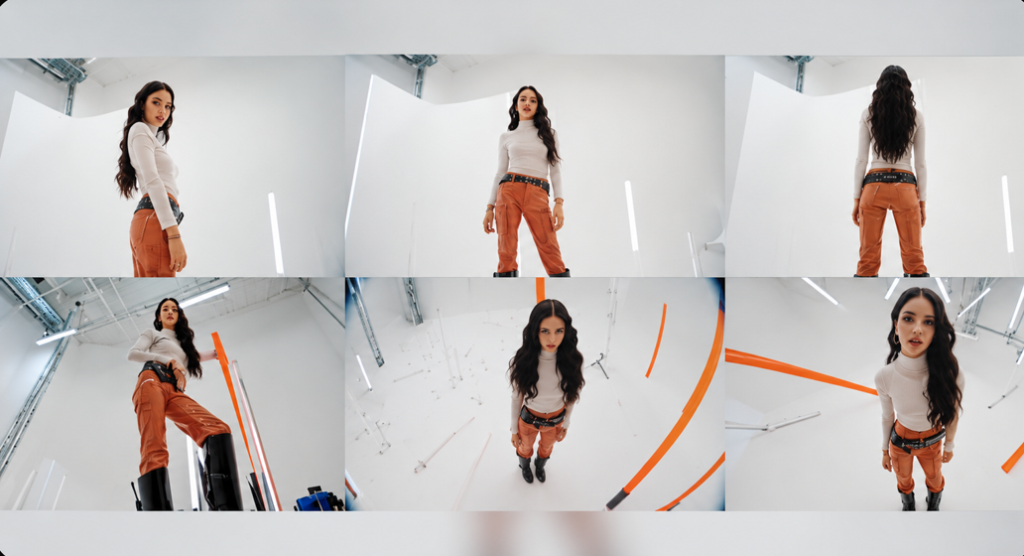
Every video project competes against the clock. Marketing teams work toward campaign deadlines, creators publish on regular schedules, and businesses need fresh content without slowing daily operations. Traditional editing often spends more time on repetitive adjustments than on creative decisions. AI changes that balance. Instead of replacing creative judgment, it removes many manual steps that consume hours. Understanding where time disappears during production reveals why AI-assisted editing has become an increasingly practical solution for modern video creation.
Where AI Creates the Biggest Time Savings
Starting With Ideas Instead of Empty Timelines
Many editing projects lose momentum before the first cut. Creators organize files, search for assets, and prepare a timeline before any storytelling begins. AI shortens this preparation stage by allowing projects to start from multiple creative directions. A prompt, reference image, existing video, or still photo can become the foundation for new content. Rather than waiting until every production element is available, creators can begin exploring concepts immediately. ai video editor technology shifts the starting point from software preparation to creative thinking, helping projects move forward much faster without sacrificing flexibility as ideas continue to evolve.
Revisions No Longer Require Complete Rebuilding
Creative feedback almost always arrives after the first draft. A client requests a different background. A marketing team prefers another visual style. A presenter wants new framing around the subject. Traditional editing may require rebuilding multiple scenes simply to accommodate these changes. AI editing dramatically reduces that workload by modifying only the elements that need adjustment. Kling VIDEO 3.0 Omni allows creators to replace subjects, rebuild backgrounds, restyle footage, adjust lighting, or change environments through guided prompts while preserving the remaining parts of the sequence. Teams spend more time refining ideas instead of reconstructing completed work.
Extending Content Without Another Production Day
Short clips often need additional seconds to improve pacing or complete a story. Traditionally, that could require another filming session, additional scheduling, and another editing cycle. AI changes this process by extending existing footage naturally. Kling AI’s Video Extension continues motion, subject consistency, and scene direction while allowing creators to guide the next sequence through prompts. Instead of treating every missing moment as another production challenge, editors expand the footage already available, keeping projects moving without interrupting established creative workflows.
Faster Production Supports Better Creative Decisions
More Time for Storytelling and Less Time for Technical Work
Editing software offers countless technical controls, but audiences remember compelling stories rather than perfectly organized timelines. AI reduces repetitive production work so creators can spend more attention on pacing, emotional impact, visual rhythm, and audience engagement. Instead of manually correcting every small technical detail, editors evaluate whether scenes communicate the intended message. Kling AI supports this creative-first workflow by combining AI video generation, intelligent editing, and flexible scene refinement within one connected platform. The technology handles repetitive production tasks while leaving creative direction entirely in the hands of the user.
Multiple Content Formats Come From One Workflow
Modern content rarely appears on only one platform. A campaign may require social clips, product demonstrations, educational videos, presentations, and promotional materials simultaneously. Building separate production pipelines for each format slows every project. AI simplifies this challenge by allowing creators to develop multiple content types within a unified environment. Kling AI combines Text to Video, Image to Video, AI editing, Digital Human creation, Lip Sync, Restyle, and Video Extension into one creative workflow. Instead of exporting projects between different applications, creators continue refining content inside the same ecosystem while adapting it for different publishing needs.
Faster Iteration Leads to Stronger Final Results
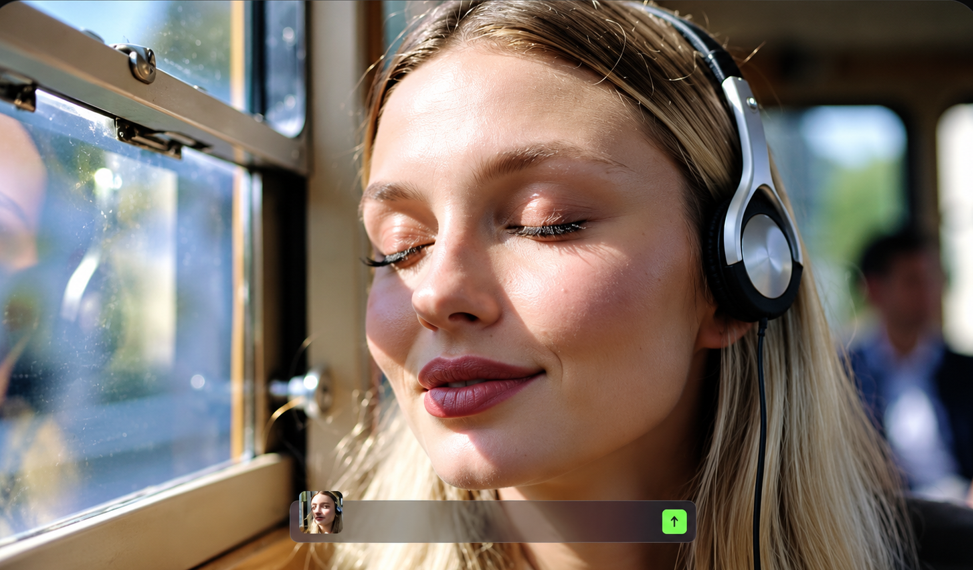
Production speed is valuable because it creates more opportunities for improvement. When revisions take less time, creators test additional ideas instead of settling for the first workable version. They compare different camera framing, explore alternative visual styles, experiment with lighting, or adjust compositions until each scene communicates more effectively. AI supports this iterative process by making revisions efficient rather than disruptive. Instead of treating every edit as a major investment of time, creators develop several versions, evaluate each objectively, and confidently select the strongest final result. Faster production ultimately leads to higher creative quality because refinement becomes practical instead of expensive.
Conclusion
AI video editing saves production time by simplifying the tasks that traditionally consume the largest portion of every project. Preparing assets, rebuilding scenes, extending footage, adapting content, and refining revisions all become more efficient, allowing creators to focus on storytelling instead of repetitive technical work. Rather than replacing creative judgment, AI increases the amount of time available for meaningful creative decisions. Kling AI reflects this approach by bringing video generation, intelligent editing, scene modification, avatar creation, Lip Sync, and Video Extension together in one connected workflow, enabling creators to complete projects more efficiently while maintaining full creative control from concept to final delivery.

