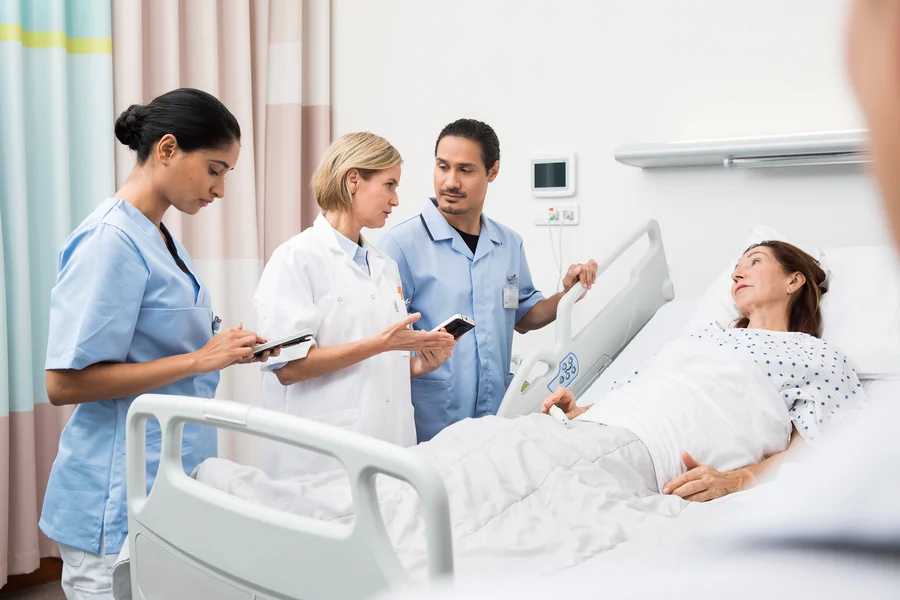
Patient monitoring integration helps healthcare teams bring vital signs, device readings, alerts, and clinical records into a more connected workflow.
As remote monitoring use grows, fragmented systems can slow response times and make it harder for clinicians to see the full patient picture.
A connected approach reduces manual data entry, improves access to current information, and supports more confident decisions across hospitals, outpatient programs, and home-based care.
This article explains what patient monitoring integration means, why it matters for outcomes, and how connected systems can improve both speed and accuracy in patient care.
Understanding Patient Monitoring Integration in Healthcare
What Integration Means for Patient Monitoring
Patient monitoring integration connects medical devices, software platforms, and health records so patient data can move between systems without repeated manual entry.
Instead of keeping information inside separate tools, integrated systems allow readings from devices such as blood pressure monitors, cardiac monitors, glucose meters, and pulse oximeters to flow into clinical dashboards, EHRs, or provider portals.This matters because clinicians often need to act on information quickly. A blood pressure reading, oxygen saturation trend, or cardiac change has more value when it appears where the care team already works. When data is delayed, hidden in another platform, or copied by hand, the risk of missed context increases.Platforms such as Lifepoint Informatics support patient monitoring device integration by helping move data from remote monitoring devices into medical record systems or provider portals. That type of connection gives care teams a clearer, more usable view of patient information from different devices and care settings.
Integration also reduces the need for clinicians to act as data couriers. Nurses and other staff should not have to copy numbers from one screen to another when the same information can move through a secure, structured connection. Better data flow supports better clinical work.
The Shift from Fragmented to Connected Systems
Healthcare monitoring systems were not always built to communicate with one another. Many facilities still use a mix of bedside monitors, remote devices, data platforms, EHR modules, reporting tools, and alert systems from different vendors. Each may use different formats, protocols, and workflows.This creates several practical problems. Commissioning takes longer. Interface costs rise. Small mismatches between systems can lead to missing readings, duplicate work, or delayed alerts.
Over time, clinicians may lose confidence in the data if it does not appear consistently or if they must check several places before making a decision.Fragmented systems also affect resource use. Staff spend more time gathering and checking information, while patients may wait longer for care decisions.
In high-acuity settings, this delay can matter. In chronic disease programs, disconnected information can make it harder to spot gradual deterioration before it becomes urgent.Connected monitoring systems are designed to reduce these gaps. Instead of treating each device or platform as a separate source, integration creates a more consistent path for data to move from the point of measurement to the point of care.
Why Integration Matters for Patient Outcomes
Patient monitoring integration supports better outcomes because it gives clinicians more complete, timely information. Continuous or frequent data collection can reveal changes that are easy to miss during occasional office visits or periodic bedside checks.Remote monitoring is especially useful for patients with chronic conditions. A patient with heart failure, COPD, hypertension, or diabetes may show changes over several days before symptoms become severe. When those readings reach the care team quickly, clinicians can adjust treatment, contact the patient, or recommend follow-up before the condition worsens.A national analysis of Medicare data found that remote monitoring services expanded substantially between 2019 and 2023, with more than 13.5 million remote monitoring services billed and reimbursed during that period. Health Affairs Scholar reported that this growth reflects wider use of remote patient monitoring and remote therapeutic monitoring across the United States.Integration also improves patient participation. When patients can see their own readings and understand how daily habits affect their condition, they may be more engaged in self-care. This is especially important for people managing long-term conditions at home.Studies continue to examine how remote monitoring affects outcomes for conditions such as heart failure and COPD. One study on post-hospitalization remote monitoring found that RPM has potential value for high-risk patients with chronic conditions, especially when paired with timely clinical follow-up. BMC Health Services Research noted that the effect depends on program design, patient population, and how clinicians respond to incoming data.
Speed Advantages of Integrated Patient Monitoring Technology
Speed can change the course of care. In many clinical settings, staff do not observe every patient continuously at the bedside.
Vital signs may be checked at intervals, and changes can happen between rounds. Integrated monitoring helps close that gap by making readings and alerts available faster.
Instant Data Availability Across Platforms
Integrated systems reduce the lag between measurement and action. When a remote blood pressure cuff, pulse oximeter, cardiac monitor, or glucose device sends data directly into a clinical system, clinicians do not need to wait for manual documentation.This is useful in several settings. In hospitals, current device data can help nurses and physicians see whether a patient is improving or deteriorating. In outpatient programs, remote monitoring data can help care teams review trends without requiring the patient to travel for every check-in.
In chronic disease management, frequent readings can help clinicians decide whether a treatment plan is working.Instant data availability also improves communication across teams. A physician, nurse, pharmacist, or care coordinator can review the same updated information instead of relying on separate notes or delayed reports. This shared view supports faster decisions and reduces confusion.
Faster Alert Response
Alerts are only useful when they reach the right person at the right time. In fragmented environments, alarms may stay tied to a bedside device, a local workstation, or a system that does not connect well with the team’s workflow. Integrated monitoring can route alerts into dashboards, clinical communication tools, or other systems that staff already use.This does not mean every alert should be sent everywhere. Poorly designed alerting can create alarm fatigue. The goal is to deliver clinically meaningful alerts with enough context for staff to respond appropriately.For example, an abnormal oxygen saturation reading is more useful when it appears alongside recent trends, diagnosis, medications, and other vital signs. The clinician can see whether the issue is isolated, worsening, or part of a larger pattern.Predictive tools can also support faster response when they are built on reliable data. If monitoring data flows continuously into a clinical system, analytics can help flag patients who may be at higher risk of deterioration. These tools should support clinical judgment rather than replace it, but they can help teams prioritize attention.
Less Delay in Information Sharing
Integrated monitoring reduces the waiting periods that often appear between measurement, documentation, review, and action.
A manual workflow may require one staff member to record a reading, another to enter it into the record, and another to notice the change. Each step adds delay and increases the chance of an error.Automated data movement shortens that path. Readings can appear in the patient record or dashboard soon after capture. Clinicians can then review trends, respond to alerts, and coordinate next steps with less administrative friction.This has practical benefits for patients. Shorter information delays can support earlier intervention, more accurate treatment decisions, and smoother transitions between care settings. It also helps staff spend less time tracking down information and more time providing care.
Accuracy Benefits of Connected Healthcare Monitoring Systems
Accurate data is essential for safe clinical decisions. Patient monitoring integration improves accuracy by reducing manual entry, showing trends over time, and giving clinicians a more complete context.
A More Complete Patient Health Picture
In-person visits provide important information, but they are still snapshots. A patient’s blood pressure, oxygen saturation, glucose level, or heart rate during one appointment may not reflect what happens at home or over several days.Connected monitoring gives care teams a broader view. Instead of relying only on one reading, clinicians can review patterns.
They can see whether blood pressure rises at certain times, whether oxygen levels drop during activity, or whether glucose readings change after medication adjustments.This fuller picture can lead to more relevant care decisions. It may also help avoid overreacting to one unusual reading or underestimating a slow trend that would otherwise go unnoticed.Remote monitoring can also reduce the effect of “white coat” readings, where a patient’s blood pressure rises in a clinical setting. Home-based readings may provide a more realistic view of the patient’s usual condition when devices are accurate and used correctly.
Fewer Transcription and Documentation Errors
Manual entry creates risk. A number can be copied incorrectly. A reading can be entered into the wrong field. A device value may be delayed or missed during a busy shift. These errors can affect care decisions, billing, reporting, and patient safety.Automated device integration reduces those risks by moving data directly from the device into the appropriate system. It does not eliminate the need for clinical review, but it can remove unnecessary manual steps.Electronic prescribing and clinical decision support tools have also been studied for their role in reducing medication errors and adverse drug events.
A review in BMJ Digital Health & AI found that clinical decision support systems are used to provide prescribing and order-verification alerts, with the goal of reducing medication errors and related harm.The same principle applies to monitoring data. When information is captured accurately and placed where clinicians need it, teams can make decisions from a stronger record.
Cross-Verification of Data Points
Connected monitoring also makes it easier to compare information from different sources. A single reading may not tell the whole story, but several related data points can help clinicians understand what is happening.For example, a heart failure patient’s weight gain may be more meaningful when viewed with blood pressure trends, pulse readings, oxygen saturation, symptoms, and medication history.
A patient with COPD may need closer attention if oxygen levels, respiratory symptoms, and activity tolerance all move in the wrong direction.Cross-verification can also support patient safety. Clinicians can compare device readings with lab results, progress notes, medication changes, and patient-reported symptoms. This broader context helps reduce the chance of acting on incomplete information.Patient portals can add another layer of review. When patients and caregivers can access selected information, they may notice missing details or report changes that do not appear in device data. This supports better communication between visits.
Improved Medication Management
Medication management depends on accurate and current information. Clinicians need to know how a patient is responding to treatment, whether symptoms are improving, and whether readings suggest a need for adjustment.Remote patient monitoring can support medication decisions by showing how a patient’s condition changes after a prescription is started, stopped, or modified. For example, clinicians may review blood pressure readings after adjusting antihypertensive medication or check glucose trends after changing a diabetes treatment plan.Integrated monitoring also supports medication reconciliation. When current readings, medication lists, and clinical notes are easier to review together, clinicians can identify potential issues more quickly. This is especially important for patients taking multiple medications or receiving care from several providers.The goal is not to automate clinical decisions without oversight. The goal is to give clinicians better information so they can make safer, more informed decisions.
Implementation Strategies for Better Integration
Patient monitoring integration works best when healthcare organizations plan for both technology and workflow. A device connection alone is not enough. The system must fit how clinicians actually deliver care.
Assess Current Data Gaps
The first step is to identify where patient data slows down or gets lost. Healthcare teams should review which devices are used, where readings appear, how alerts are handled, and how often staff must copy information manually.
Common gaps include:
- Device readings that do not reach the EHR
- Alerts that are not routed to the right care team
- Remote monitoring data that sits in a separate portal
- Duplicate documentation across several systems
- Limited visibility across departments or care settings
Once these gaps are clear, leaders can prioritize the integrations that will have the strongest clinical and operational impact.
Focus on Interoperability
Interoperability should be a core requirement. Healthcare organizations need systems that can exchange data securely and reliably across devices, EHRs, dashboards, and care management platforms.Vendor-neutral integration is valuable because many facilities use equipment from different manufacturers. A system that only works in a narrow environment can create new silos instead of solving old ones.Security and compliance also matter. Patient monitoring data is sensitive health information. Integration should support secure transmission, appropriate access controls, auditability, and compliance with healthcare privacy requirements.
Design Alerts Around Clinical Use
Alert design should involve the clinicians who will use the system every day. Too many alerts can overwhelm staff. Too few can allow serious changes to go unnoticed.Effective alerting should consider severity, context, routing, escalation, and documentation. A high-risk alert may need a different workflow than a routine out-of-range reading.
Some alerts may require immediate action, while others may be better suited for review during scheduled monitoring.The best systems help clinicians focus on the most important changes without creating unnecessary noise.
Train Staff and Review Performance
Integration changes workflows, so staff training is essential. Clinicians need to know where data appears, how alerts are routed, what actions are expected, and how to report issues.
Healthcare organizations should also review performance after implementation.
Useful metrics may include response times, documentation accuracy, alert volume, patient follow-up rates, readmissions, and staff feedback.Integration is not a one-time project. It requires ongoing refinement as devices, systems, patient populations, and care models change.
Conclusion
Patient monitoring integration helps healthcare teams respond faster and make decisions from more accurate information. By connecting devices, records, alerts, and clinical workflows, healthcare organizations can reduce manual entry, improve visibility, and give clinicians a clearer view of patient status over time.
This is especially important for chronic disease management, post-discharge care, and high-acuity settings where delays or incomplete data can affect outcomes.
The strongest programs combine reliable technology with thoughtful workflow design, clear alerting, staff training, and ongoing review.
As monitoring expands across care settings, integration is becoming a practical foundation for safer, more responsive healthcare.