
Many people want a home that feels warm and fits their family, but they find traditional house plans too plain or too costly. This can be tough when you dream of your own special place.
Barndominiums are a great solution. They help you build custom spaces and save money with modular construction. In this guide, I share simple steps to choose locations, plan rooms, add rustic touches, and bring out true country charm.
Keep reading for tips anyone can follow to help make Southern living dreams come true.
Key Takeaways
- Check zoning laws and find flat land with good drainage for building. Test soil to make sure the foundation stays strong.
- Use classic Southern designs like metal siding, warm colors, and rustic touches such as exposed beams. Pick durable materials that handle weather well.
- Choose an open floor plan with large kitchens and living spaces. Add modern farmhouse features like big islands, chef’s kitchens, and smart home technology.
- Decorate inside with rustic wood accents and neutral colors for a cozy feel. Use oak beams, barn doors, and soft paint shades to create warmth.
- Plan outdoor spaces with wide porches, native plants, and areas for relaxing or dining outside. Make sure landscaping matches the Southern style and is easy to take care of.
Choosing the Perfect Location
I check zoning laws and permitting process before I buy land. Local rules may set limits on building size, home use, or where utilities can go. For a Southern-style barndominium in South Carolina or the Midwest, rural development often means more freedom but also longer waits for permits.
Site selection starts with flat land and good drainage; this is key for pouring a strong concrete slab foundation. In Arkansas and North Carolina, climate matters too. I pick sites with sun if winters are cold, then plan reflective roofing or ventilation for hot summers.
Water access, electricity lines, septic systems—these must all reach the site without trouble.
Land assessment teams help me test soil so my foundation will not crack later; some soils need extra prep that adds weeks to planning timelines. Proper grading keeps rain from pooling near walls or under floors.
Flood zones pose real risks; flood maps from local agencies show red-flag areas to avoid.
I always look at infrastructure like driveways and road access since trucks haul big materials for barn builds—they need space to enter easily off county roads. Smart choices here shrink costs by $5K–$10K on heavy equipment work alone.
Smart location planning prevents headaches later—and speeds up my build by months compared to poor sites that slow down inspections or fail code checks early on.
Designing a Southern-Style Exterior
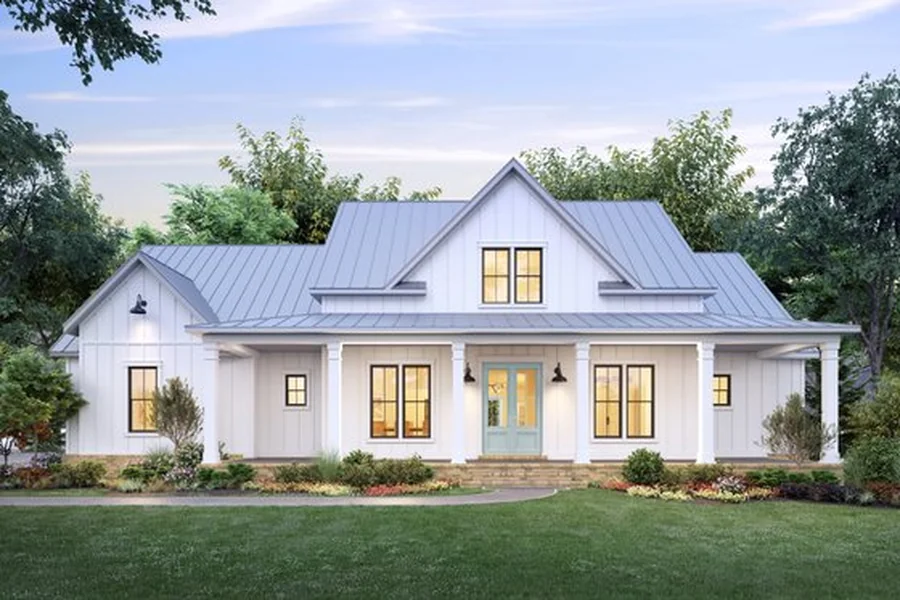
I focus on classic Southern architecture, mixing rustic features with farmhouse charm. I pick metal siding and warm paint colors to make the barndominium feel like a country homestead right from the driveway.
Incorporate rustic elements
Exposed beams add a strong rustic touch to the outside of any Southern-style barndominium. I use simple wood siding that looks like traditional barns in my designs, bringing out authentic country aesthetics.
Barn-inspired roof lines and big front porches set the tone right away and match classic barnstyle design from past centuries.
Outdoor see-through fireplaces work great as focal points, linking inside comfort with outdoor living. Natural materials—like stone and timber—give lasting charm and fit the rustic architecture theme.
These choices build a look that feels both warm and timeless, reflecting true Southern style every time someone visits.
Use barn-inspired materials and colors
I use barn-inspired materials, like vertical metal siding and steel frame construction. These choices echo real barns found across the South. I pick durable siding and roofing so my home stays strong in any weather.
Post and pier foundations match historic barn architecture from the 1800s.
Color matters as much as structure. I choose a neutral palette with whites, creams, or grays for textured walls. For contrast, I select trim in classic barn red or go with weathered wood tones to highlight tradition.
Timber accents help tie everything together for an authentic farmhouse look.
Creating a Functional Floor Plan
I focus on a smart layout that fits my daily life—simple paths, no wasted space. I choose features like high ceilings and wide halls to make the home feel bigger and ready for gatherings.
Open floor concepts
Large kitchen islands often flow right into living and dining spaces. I see this setup in many barndominiums. Open-concept rooms make the space feel bigger and brighter, thanks to large windows that bring in more natural light.
A great room can have a fireplace, even between a living area and the primary suite if needed.
Some small plans use L-shaped kitchens with built-in bar tops for extra seating. In places as cozy as 1,203 square feet or open as single-story 1,800-square-foot layouts, modular design makes every space useful.
The whole plan encourages better interior flow and easy entertaining; friends can mingle without feeling crowded. Multifunctional areas like these help me organize family time or host guests with ease.
Integrating modern farmhouse features
Open concept rooms, like kitchens and living spaces, set the base for a modern farmhouse. I add features such as chef’s kitchens with custom cabinets and walk-in pantries. Large recreation rooms downstairs often include wet bars and easy patio access.
Dual primary suites offer spa-like baths, big closets, and private offices for remote work.
I prefer wraparound porches or decks to boost outdoor living space. Smart thermostats, spray foam insulation, and sustainable building products improve my home’s energy efficiency.
Home automation brings control of lights or security from my phone. Floor plan optimization creates multifunctional zones for cooking, dining, or relaxing—making every square foot count for daily life.
Now I turn to interior design details that bring true Southern charm…
Interior Design for a Southern Charm
I add lots of rustic touches for a cozy farmhouse feel—think oak beams and shiplap walls. Soft, earthy paint colors work great with wood floors or vintage metal light fixtures, creating real warmth inside.
Rustic wood accents
Exposed beams and wood-paneled ceilings bring the outdoors inside. I use barn doors and thick wood trim to give a strong Southern farmhouse feel. Built-in bar tops, cabinets, and fireplace mantels feature real timber for warmth and texture.
Rough lumber surfaces, vintage-style finishes, and natural grain patterns create traditional country charm in every room. Wood details match simple exteriors found on many barns across Texas or Georgia.
Each rustic accent adds both style and comfort to the space.
Neutral color palettes with warm tones
I use neutral color palettes with warm tones to make rooms feel cozy and inviting. White, beige, and tan cover most walls and larger surfaces. A few barn red accents on pillows or rugs add Southern charm.
Large windows fill the space with natural light, which works well with these colors.
Rustic wood beams or shiplap fit right in. The calm colors blend with earthy textures for a timeless look. Warm browns from oak floors bring harmony with soft creams on sofas or chairs.
Using these shades creates a serene yet light-filled home interior that is both peaceful and welcoming for everyone who visits.
Landscaping and Outdoor Spaces
I add wide porches and covered patios, which give a true country style to my home design. I use native grass, tall trees, and garden beds—these boost curb appeal and help with energy efficiency too.
Wraparound porches and patios
Wraparound porches give true Southern style. These decks circle the barndominium and offer shade, cool breezes, and lots of space for outdoor living. I relax on my veranda or set up al fresco dining spots with family right here.
Covered patios and extended roof overhangs block harsh sun or rain so guests stay comfortable during any season.
Outdoor spaces often link directly to living rooms or recreation areas, which makes entertaining easy. Some farmhouse plans add a terrace or courtyard for extra seating and grilling zones.
Ideas like pergolas, gazebos, decking, or even a sunroom let me expand my options in every direction. Each area blends into native landscaping that keeps maintenance simple while staying true to Southern charm.
Southern-style landscaping with native plants
I use native flora for Southern-style landscaping. Plants like magnolias, crepe myrtles, and hydrangeas give the yard strong regional charm. I always add drought-resistant perennials such as black-eyed Susans or coneflowers—they need less water and maintenance.
Shade trees, including oak or sweetgum, help keep outdoor spaces cool.
Flowering shrubs like azaleas highlight garden design with bright blooms from March through July. Beds of local grasses fit rustic design and match barn-inspired materials on porches and patios.
These choices create lasting outdoor aesthetics while honoring Southern heritage in every part of landscape architecture. Every plant supports low-maintenance care; this frees up time to enjoy those wraparound porches year-round.
Conclusion
Building a Southern-style barndominium gives you full control over every detail. Mix barn-inspired siding with open floor plans to capture true country living. Choose native plants and wide porches for inviting outdoor spaces.
Rustic wood, soft colors, and modern appliances complete the feel inside. I follow these steps to create strong, lasting homes that stand out across Texas, Alabama, and Georgia landscapes.

