
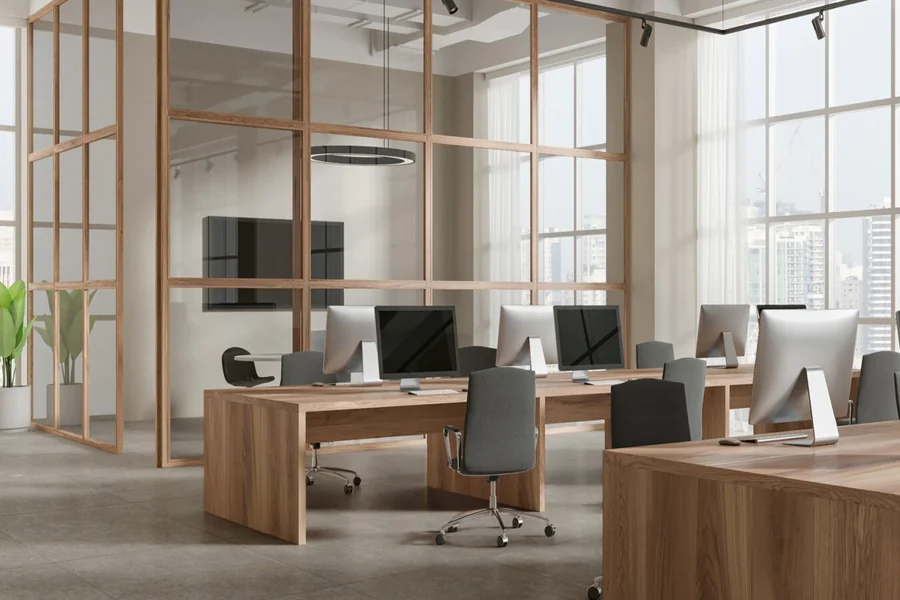
A modern office should support the body as carefully as it supports daily output. Poor furniture choices can increase spinal compression, shoulder tension, eye strain, and mental fatigue over a full workday. Visual appeal still matters, yet appearance cannot excuse blocked walkways, shallow storage, or rigid seating. The strongest spaces feel calm because each item has a clear role. Good planning protects comfort, focus, circulation, and a polished impression at the same time.
Start With Work Patterns
Furniture planning works best after a close look at movement, posture, storage habits, and meeting frequency across a normal week. That review often reveals where staff need quiet seating, shared tables, enclosed cabinets, or reception pieces with steadier support. Midway through that process, office furniture in Plano, Texas, fits naturally because local access, measured layout guidance, and commercial construction can help align visual goals with practical daily use.
Map the Floor First
An office can look refined on paper and still feel physically tiring in use. Narrow aisles force constant sidestepping, which interrupts rhythm and raises low-level stress. Clear routes between desks, printers, meeting rooms, and storage reduce friction throughout the day. Scale matters too. Oversized pieces can shrink a room visually and limit comfortable movement even when finishes look sleek.
Choose Desks With Purpose
Desk choice should reflect task load, equipment weight, and the need for private conversation. Some roles need wider surfaces for paper review, while team stations benefit from shared layouts that support quick exchange. Height-adjustable models help reduce long periods of fixed posture, which can aggravate joints and lumbar tissues. Cable access matters as well since visible cords create distraction and crowd usable surface area.
Seating Drives Daily Comfort
Chairs shape physical comfort more than nearly any other office purchase. A stylish frame means little if the seat increases hip pressure or the backrest fails to support lumbar curvature. Adjustable arms, seat depth, and tension control help more people sit with less strain. Guest seating deserves equal care. Stable cushions and a sensible height make entry, exit, and waiting far easier.
Use Storage as Design
Good storage lowers visual noise and keeps daily tools within easy reach. Low credenzas can separate zones without cutting off light, while mobile pedestals support flexible work points. Closed cabinets help protect a clean look in shared rooms and client areas. Open shelving still has value, though restraint matters. Too many visible objects can make the room feel busy, crowded, and harder to read.
Keep Materials Honest
Material choice affects both durability and sensory comfort. Wood veneer can soften glass or steel, while matte laminates help limit glare under bright ceiling fixtures. Upholstery should resist abrasion, clean without trouble, and hold color after frequent use. Hard surfaces that scratch easily age poorly in active offices. A restrained mix of finishes usually feels steadier than a room packed with competing textures.
Let Lighting Support Furniture
Lighting changes how surfaces read and how bodies feel during long hours. Daylight can improve alertness, yet monitor glare must stay controlled to limit squinting and visual fatigue. Task lamps help with reading, writing, and detailed review without forcing awkward neck angles. Placement should begin early. Desks, tables, and storage need to work with window direction, ceiling fixtures, and outlet access from the start.
Plan for Shared Spaces
Meeting and Reception Zones
Shared areas influence first impressions, staff rhythm, and short-term comfort throughout the day. Reception seating should feel inviting without crowding the entry or blocking circulation. Meeting rooms work better when table size reflects true attendance rather than optimistic assumptions. Nearby lounge chairs can support short conversations or brief decompression between calls. Every piece should earn its place through use, not decoration alone.
Maintain a Consistent Palette
Color consistency helps an office feel settled without making it dull. Repeating a small group of finishes across desks, storage, seating, and partitions creates visual order that the eye can process easily. Accent tones can echo company identity if applied with restraint. That discipline also helps future purchases blend in. New pieces are easier to add when clear material and color logic already exist.
Buy for Long-Term Value
Initial price rarely tells the full story. Commercial-grade furniture usually keeps its alignment, surface finish, and structural stability better than residential pieces under repeated use. Modular systems also make staffing changes easier to absorb without forcing a full redesign. Repairability deserves attention too. Offices that plan for adaptation often avoid mismatched replacements, uneven wear, and unnecessary spending a few years later.
Conclusion
A strong modern office supports posture, movement, visual comfort, and organized work without giving up style. Once those physical needs are handled well, color, texture, and form can add polish without disrupting function. The most successful spaces rarely rely on dramatic gestures. They work because each choice respects circulation, concentration, storage, and long-term use. That balance helps staff feel better, perform steadily, and welcome visitors with confidence.

