
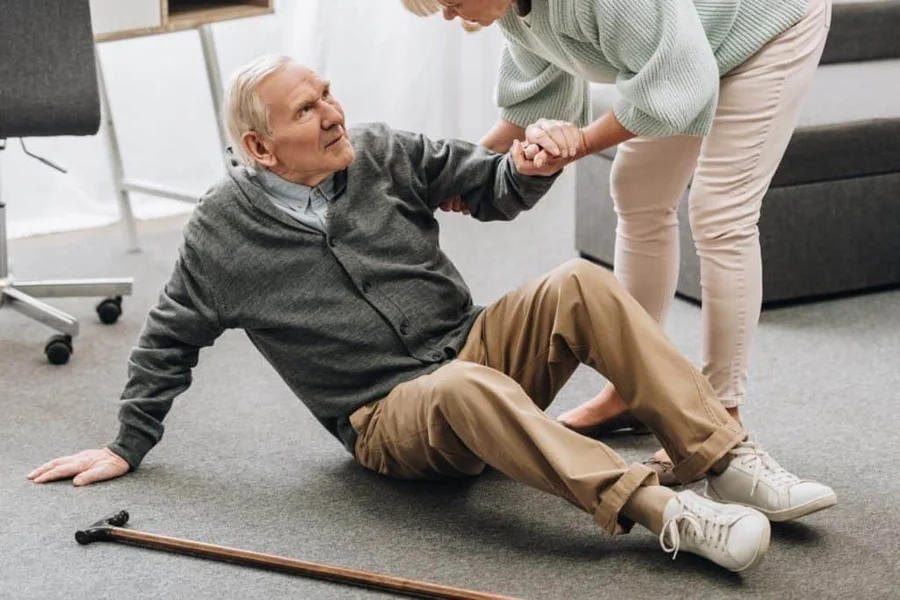
When you visit someone else’s property, like a grocery store, apartment complex, or public park, you expect to be safe. Property owners and managers must keep their places in good shape and protect visitors from dangers. If someone slips, trips, or falls because of poor maintenance, they can get hurt badly. This can lead to high medical bills and missed work time.
Determining whether a property owner is legally at fault requires a careful examination of negligence and duty of care. Navigating the aftermath of a slip and fall or a structural failure involves proving that the manager knew about the hazard but failed to address it. Partnering with a dedicated Bronx premises liability lawyer can help you investigate the incident, identify the responsible entities, and build a strong claim for full financial recovery.
The Concept of Legal Duty of Care
At the core of any premises liability case is the legal concept known as the “duty of care.” This rule dictates that property owners, landlords, and commercial tenants must take reasonable steps to keep their property safe for anyone legally permitted to enter. The level of care required often depends on the nature of the property and the legal status of the visitor.
For example, business owners who open their doors to the public owe the highest duty of care to their customers. They are expected to routinely inspect the premises, actively look for hazards, and fix problems immediately. If an owner fails to meet this baseline standard of responsibility and a visitor gets hurt, that failure forms the legal basis for a personal injury claim.
Proving “Actual” or “Constructive” Notice
To hold a property owner liable for your injuries, you must demonstrate that they had “notice” of the dangerous condition before the accident occurred. Notice is generally broken down into two categories: actual notice and constructive notice. Actual notice means the owner or an employee was explicitly told about the hazard or witnessed it directly but chose to do nothing.
Constructive notice is more common and means the hazard existed for such a length of time that the owner should have discovered and corrected it through reasonable diligence. For instance, if a store roof has been leaking for hours, creating a large pool of water in a shopping aisle, the management cannot claim ignorance. Proving constructive notice often involves reviewing maintenance logs, security footage, and employee schedules.
Identifying Common Property Hazards
Premises liability claims can arise when unsafe property conditions are not fixed or properly addressed. Common hazards may include:
- Spilled liquids
- Freshly mopped floors without warning signs
- Torn carpeting
- Uneven flooring
- Broken sidewalks
- Poor parking lot lighting
- Ice or snow buildup
- Collapsing staircases
- Loose handrails
- Falling ceiling tiles
- Broken locks, gates, or security systems
- Lack of proper surveillance or security
Any condition that creates an unreasonable risk of harm may raise questions about property owner liability.
The Status of the Visitor Matters
Under the law, visitors are generally classified into three distinct categories: invitees, licensees, and trespassers. An invitee is someone who enters the property for business purposes, such as a retail shopper or a restaurant patron, and they receive the highest level of legal protection. A licensee is a social guest who enters the property for non-commercial reasons with the owner’s express or implied permission.
Trespassers, who enter a property without any legal right or permission, receive the lowest level of protection. Generally, property owners do not owe trespassers a duty of care to keep the premises safe, though they cannot intentionally create traps or hazards to harm them. An exception exists for child trespassers if an owner maintains an alluring but dangerous feature, like an unsecured swimming pool.
Documenting Evidence at the Scene
The success of a premises liability claim depends heavily on the quality of the evidence collected immediately after the injury occurs. Because property owners frequently fix hazards right after an accident happens, capturing the dangerous condition in its unaltered state is critical. If you are physically able, use your smartphone to take clear, close-up photos and wide-angle videos of the hazard from multiple perspectives.
In addition to visual evidence, look for eyewitnesses who saw the incident or noticed the hazard beforehand and ask for their contact information. If your injury occurred in a commercial establishment, insist on filing an official incident report with the manager on duty. Obtain a physical or digital copy of this report before leaving, as it establishes a formal timeline of the event.
Challenging the “Open and Obvious” Defense
Insurance companies representing property owners routinely try to shift the blame onto the injured victim to avoid paying out settlements. One of their favorite legal strategies is the “open and obvious” defense. They will argue that the hazard—such as a large pothole or a brightly colored object on the floor—was so clearly visible that any reasonable person should have seen and avoided it.
Defeating this defense requires showing that even if a hazard was visible, other factors made it unavoidable or deceptively dangerous. For example, if a store layout forces customers to look at eye-level displays rather than the floor, or if a hazard blocks the only available exit, the owner can still be held liable. Your legal representative will work to prove that the owner’s negligence outweighs any perceived lack of caution on your part.
Seeking Full Compensation for Your Losses
The physical consequences of a serious fall or impact can be life-altering, often resulting in broken bones, severe concussions, or spinal cord damage. The financial burdens of medical treatment, physical therapy, and prescription medications can quickly exhaust your savings. If your injuries prevent you from returning to work, the sudden loss of regular income exacerbates an already stressful situation.
A successful premises liability claim allows you to recover compensation for both your economic and non-economic damages. This includes reimbursement for all medical bills, future healthcare costs related to the injury, lost wages, and diminished earning capacity. It also addresses the intangible impacts of the accident, such as your physical pain, emotional distress, and loss of enjoyment of life.

