
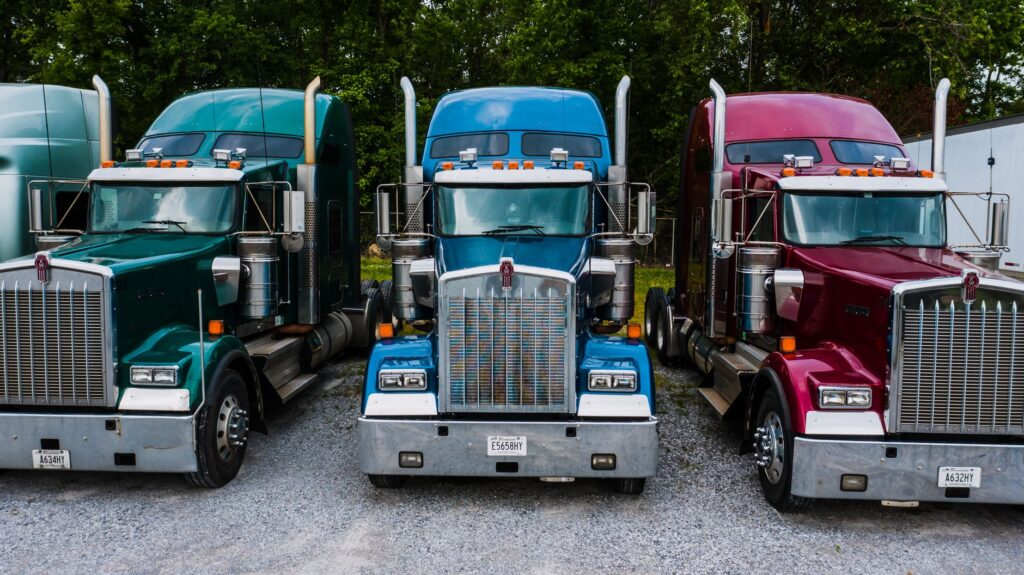
California is home to one of the nation’s busiest transportation networks, with commercial trucks traveling thousands of miles each day to move goods between ports, distribution centers, and communities across the state. While this constant flow of freight is vital to the economy, it also increases the likelihood of serious truck collisions that can leave victims facing life-changing injuries and complex legal challenges. Unlike a typical car accident, a crash involving a commercial truck often requires a broader investigation into the actions of multiple parties and the safety practices in place long before the collision.
Knowing these differences is essential for anyone seeking compensation after a trucking accident, as liability may extend far beyond the driver alone. Navigating these cases often requires careful analysis of evidence, industry regulations, and corporate records. Experienced legal representation from firms such as Singleton Schreiber can help uncover the full scope of responsibility and pursue accountability from every party whose negligence contributed to the crash.
More Than One Defendant
Truck crash liability rarely stops with the driver because commercial hauling depends on a chain of business decisions made before impact. Legal teams often review hiring files, dispatch pressure, maintenance schedules, and safety records to see where preventable risk began. That broader review explains why trucking claims require close examination of company conduct, paper records, and compliance with rules.
Employer Responsibility
Many car cases focus on a single unsafe act, such as speeding or distraction. Trucking claims may be brought against the carrier if screening was weak, training was thin, or supervision failed. Prior crashes, substance history, or licensing problems can matter if management ignored warning signs. Pressure from unrealistic delivery windows may also support a claim that the business helped create unsafe driving conditions.
Federal Rules Matter
Private motorists follow traffic laws, but commercial carriers face additional safety duties tied to interstate transportation. Those rules cover driver fitness, inspection routines, maintenance standards, and cargo securement. A broken requirement can carry significant weight when the violation connects directly to the crash. Ordinary auto cases seldom require the same volume of logs, reports, and technical compliance records.
Hours Behind the Wheel
Fatigue is a recurring issue in truck litigation because long driving periods can impair judgment, reaction time, and braking decisions. Electronic logs may show missed rest breaks or service-hour violations. That sort of proof is far more concrete than what is found in most passenger-vehicle cases. A standard collision may involve suspicion of drowsiness, while trucking files often contain traceable timing data.
Vehicle Maintenance Counts
Mechanical failure can redirect attention from driver conduct to fleet upkeep. Worn brakes, degraded tires, steering faults, or skipped inspections may indicate poor maintenance practices inside the company. Some carriers own their tractors and trailers, while others lease equipment or contract repairs. Each arrangement affects fault analysis because several businesses may share responsibility for a dangerous vehicle condition.
Cargo Problems
Improper loading can change how a truck handles during braking, turning, or sudden lane movement. Weight imbalance may trigger rollovers, jackknife events, or spilled freight. In those situations, the loading crew, shipper, warehouse operator, or carrier may each face scrutiny. Passenger car claims rarely involve this type of distribution evidence, which makes trucking cases broader and more technical.
Evidence Moves Fast
Critical records in a trucking case can disappear if preservation does not begin early. Onboard data, driver logs, internal messages, inspection reports, and repair files may be overwritten through normal retention cycles. Photos and witness statements still matter, but they are often not enough on their own. Business records frequently supply the clearest route to proving fault and linking it to company conduct.
Insurance Limits Are Different
Commercial policies are often larger than personal auto coverage, yet larger limits do not make payment easier. Higher exposure usually leads to stronger defense efforts, deeper file review, and disputes between multiple insurers. One carrier may argue that another policy applies first or that coverage exclusions narrow what is available. A routine car claim tends to present a simpler insurance picture.
Damages Reach Further
Severe truck collisions often leave people with spinal cord injury, brain trauma, complex fractures, chronic pain, or permanent mobility loss. Medical needs can include surgery, rehabilitation, assistive devices, and future care planning. Lost earning capacity may also become a central issue. Because the financial stakes rise sharply, every liability question receives closer scrutiny from defense lawyers and insurance representatives.
Independent Contractor Claims
Carriers sometimes argue that a driver was an independent contractor rather than an employee. That label does not settle the issue by itself. Courts may look at route control, branding, equipment standards, scheduling demands, and day-to-day oversight. If the company exercised meaningful control over the work, direct liability may still remain part of the case despite contract wording.
Conclusion
The main difference in a trucking case is scope. A standard car claim often centers on one driver and one insurer, while a truck collision may involve a carrier, maintenance provider, shipper, broker, and layered coverage disputes. That wider field changes how evidence is gathered and how fault is assigned. For injured people, early investigation matters because valuable evidence may be found in company records, not just at the crash scene.

