
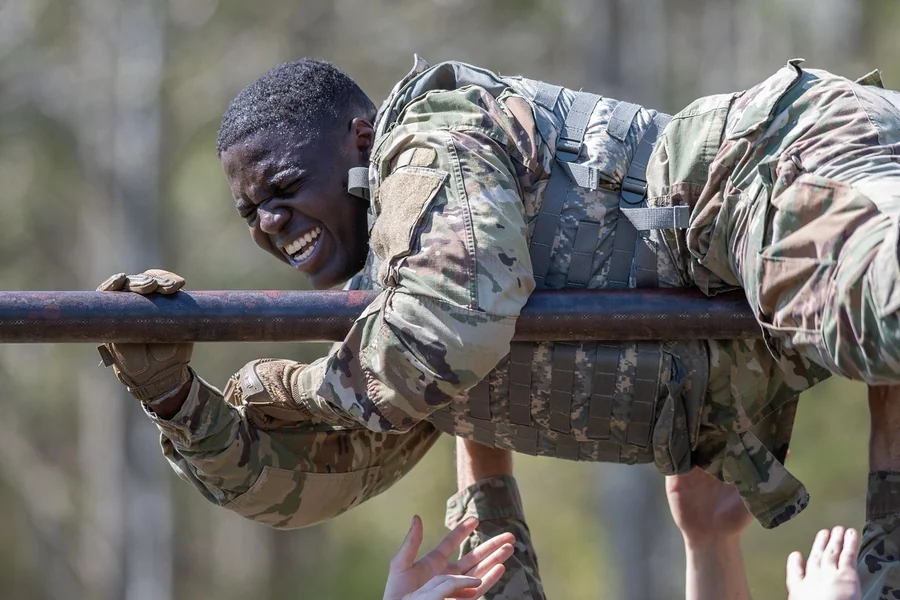
If you’re thinking of joining the Armed Forces, you’ll already know that there’s a lot of risk and sacrifice involved. However, many future servicemen and women overlook just how serious the potential injuries and health repercussions can be.
We understand that when you’re excited about building a military career, thinking about your future wellbeing might not be a priority. And while it might be tempting to get going straight away, it’s worth knowing about a few of the biggest risks to your body first.
Musculoskeletal Injuries (MSKI)
Musculoskeletal injuries such as sprains, strains, and overuse injuries are widespread and incredibly common in recruits. In fact, this type of injury is still the leading cause of medical discharge from the UK Armed Forces. Areas of the body that are more likely to be affected include the lower leg, knee, and foot.
Recent research efforts in the UK aim to tackle these common injuries, which can put service personnel out of action for a long time. Through improved training protocols and personalised injury prevention plans, trainees should gain a deeper understanding of biomechanics. Learning how to build physical resilience is key.
Noise-induced hearing loss
It’s no secret that servicemen and women are exposed to disproportionately more noise than those in other careers. In 2024, the Ministry of Defence (MoD) announced that thousands more veterans would be compensated for hearing loss, which it previously did not accept responsibility for.
Gunfire, explosions and loud machinery continue to cause long-term hearing problems among recruits and veterans. It’s one of the main reasons why military hearing loss claims are on the rise, with many veterans suffering from conditions like tinnitus because of their work in the armed forces.
Traumatic Brain Injuries
Brain injuries aren’t always obvious from the onset. Impact to the head or neck area is incredibly common throughout every stage of active service and training in the military, especially for those in the Army.
When soldiers receive medical treatment after being involved in an explosion, their physical injuries are usually seen to first. However, they don’t always receive referrals for MRI scans or other advanced brain diagnostics. This is because visible head injuries occur very often, and usually without complications for the brain.
The risk of traumatic brain injury from blast waves or accidents during training remains high. The MoD has only recently admitted that blast waves from British-issued weapons may be causing widespread TBIs among service personnel.
Signs like confusion, dizziness, nausea or short-term memory loss should never be overlooked if you’ve had any impact to your head.
Mental Health Trauma
Finally, don’t underestimate the prevalence of psychological trauma and stress related to military training. This is more common than you might expect, especially for those who’ve been involved in high-intensity or combat-style exercises.
While support avenues and set procedures are available, it’s important to know about these before you even start your training. There are limited options within the MoD, but on a local level, you might need to rely on NHS services for early intervention.
In any service career, building mental health resilience is essential. Even if you’re confident about your state of mind, it’s a good idea to speak to a therapist and book a thorough mental health assessment.

