Hot feet often come from a combination of warm weather, long wear time, moisture, and shoes that trap heat around the foot. The most effective footwear choices focus on airflow across the whole shoe rather than one small mesh panel. Open-structure 3D printed sneakers are a newer option because their geometry creates ventilation throughout the upper and sole. Nexbie’s Aeroraise 3D printed sneakers use this idea in a one-piece lattice design, pairing broad airflow with cushioning and drainage for people who want less heat buildup during daily wear.
Why Feet Feel Hot Inside Sneakers
Feet produce heat during movement and release moisture through sweat. In a closed shoe, warm humid air builds up faster than it escapes. Thick padding, dense synthetic overlays, waterproof membranes, and poor ventilation often make the problem worse. Even a shoe marketed as breathable might still trap heat if airflow is limited to a small toe-box panel.
Hot feet are not only a summer issue. Long commutes, warehouse work, travel days, standing jobs, and indoor environments also raise foot temperature. Socks play a role too. Heavy cotton absorbs moisture but often holds it against the skin, while lighter moisture-managing fabrics move sweat away more efficiently.
Breathability Is a Structural Issue
Material choice matters, but the overall structure matters more. Air needs an entry point, space to move, and an exit path. A highly perforated upper helps only if thick foam or solid layers underneath block airflow. This is why open mesh shoes usually feel cooler than leather sneakers, and why lattice-based footwear takes ventilation a step further.
What to Look for in Breathable Sneakers
Open Upper Construction
Look for visible ventilation across the forefoot, sides, and midfoot. Large open areas move more air than tightly woven decorative mesh. The tradeoff is lower protection from dust, cold weather, or sharp debris. For hot-weather walking and daily use, the increase in ventilation is often worth that compromise.
Moisture and Drainage
Sweat is only one source of moisture. Rain, puddles, beach use, and washing also leave shoes wet. Breathable footwear works better when water leaves the structure instead of sitting inside padding. Quick drainage reduces the time the foot stays in contact with pooled water and also shortens drying time after cleaning.
Lightweight Construction
Heavy shoes often feel warmer because they use more material and more layers. A lighter shoe reduces bulk around the foot. Weight alone does not guarantee airflow, but low material volume and open construction often appear together in summer-focused footwear.
Enough Room Around the Toes
A cramped toe box increases friction and reduces the small pockets of air around the toes. Choose a fit that holds the heel securely while leaving space for natural toe movement. Sizing up too far is not a solution, since excess movement creates rubbing and instability.
Why 3D Printed Lattice Sneakers Stand Out
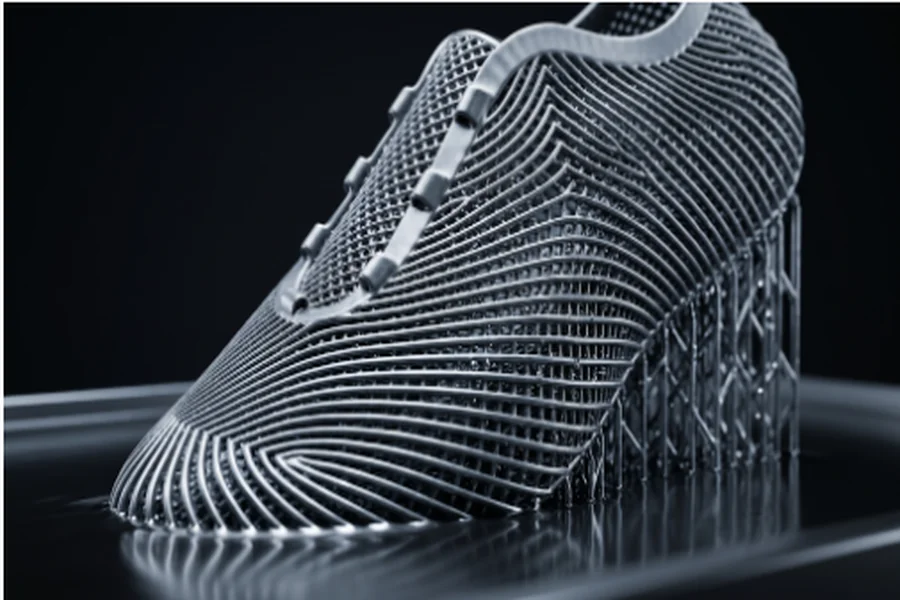
3D printing changes the design process because ventilation holes do not need to be cut into a finished upper. The open cells form part of the shoe from the start. Designers adjust cell size, wall thickness, and density to balance airflow with strength. That gives lattice footwear a recognizable open look and a practical ventilation function at the same time.
Nexbie Aeroraise
Nexbie Aeroraise is designed around an open 3D printed structure that lets air move across a large percentage of the shoe. The same lattice also supports cushioning underfoot. Because the shoe does not rely on absorbent fabric padding in the same way as many traditional sneakers, water drains more directly through the structure and the shoe dries faster after rinsing or wet use.
For shoppers comparing models for persistent heat and moisture, Nexbie also publishes a guide to the best shoes for sweaty feet, covering construction, moisture management, and use cases in more detail. The important point is to compare the full ventilation system rather than relying only on a breathable label.
Other Types of Breathable Sneakers
Engineered Mesh Sneakers
Engineered mesh is still one of the most common solutions. Different knit densities provide more openness over hot zones and more structure around the midfoot. Mesh shoes work well for everyday walking, but thick internal liners or waterproof membranes reduce the airflow advantage.
Knit Uppers
Knit shoes feel soft and flexible, with fewer stiff overlays. They suit casual wear and travel, though dense knit still traps more heat than highly open mesh or lattice designs. Knit also absorbs more water than a non-textile open structure.
Perforated Casual Sneakers
Leather or synthetic casual sneakers sometimes use perforations to improve ventilation. They keep a cleaner, more traditional appearance but usually offer less airflow than mesh. They work better for moderate temperatures than for users whose main problem is consistently hot feet.
Socks Matter More Than Most People Think
A breathable shoe paired with thick moisture-holding socks still feels damp. Choose lightweight socks made for moisture transfer, and rotate pairs during long travel or work days if needed. Avoid socks that bunch around the toes or create pressure points. Washing shoes regularly also helps remove residue and odor that build up in warm, damp environments.
When Breathability Should Not Be the Top Priority
Open shoes are less suitable in cold rain, dusty industrial settings, loose gravel, or environments where the foot needs strong protection. Hiking, work, and technical footwear often trade some ventilation for toe protection, water resistance, or stability. Match the shoe to the environment first, then seek the most breathable option within that category.
Check Breathability Over a Full Day
A short try-on does not reveal how a shoe manages heat after several hours. If possible, test breathable footwear during a normal day that includes walking, sitting, and standing. Notice whether the forefoot stays damp, whether socks dry between periods of activity, and whether the upper develops hot spots. This longer test is more useful than judging breathability from hand feel alone. Also compare the shoe with the same socks you normally wear, since changing both variables at once makes the result harder to interpret.
Conclusion
The most breathable sneakers for hot feet use structure, materials, fit, and moisture management together. Broad open ventilation, low bulk, drainage, and enough toe room matter more than a single mesh panel. Nexbie Aeroraise 3D printed sneakers provide a strong example of structure-first breathability through an open lattice that also supports cushioning and quick water release. For hot-weather walking, travel, daily wear, and people who dislike stuffy shoes, this type of design offers a useful alternative to conventional layered sneakers.