
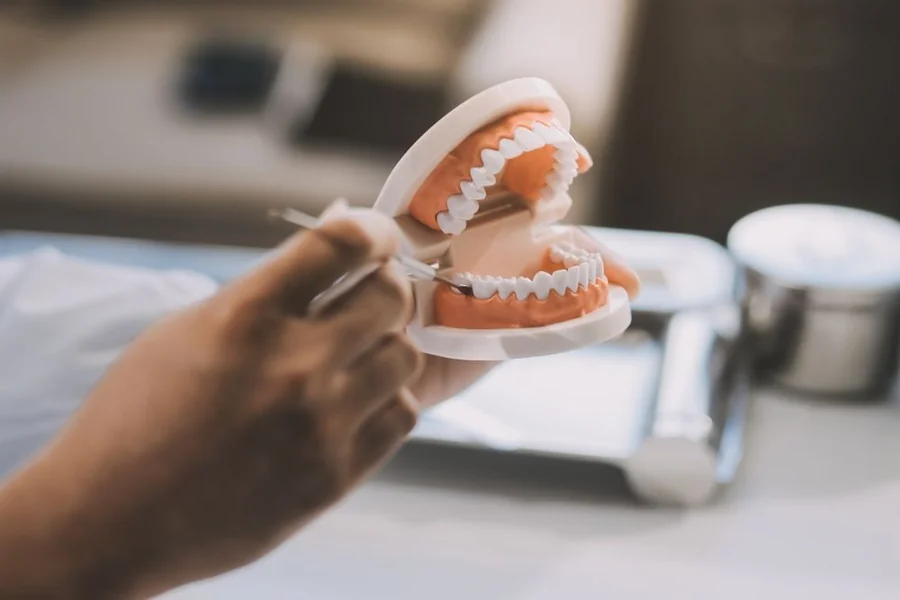
Over 36 million Americans wear some form of dentures, yet nearly 40% report discomfort or fit issues that could be prevented with proper care techniques. What’s more concerning? Recent research from the American Dental Association shows that improper denture maintenance contributes to oral infections in 25% of users—complications that can lead to serious health issues and costly dental emergencies.
The denture landscape has evolved dramatically in 2024, with new materials and fitting technologies offering unprecedented comfort and functionality. Yet many people still rely on outdated care practices passed down from previous generations, missing critical maintenance steps that could extend their dentures’ lifespan and improve daily comfort. Whether you’re considering how to replace missing teeth with dentures, recently received them, or want to optimize your current routine, understanding proper care isn’t just about hygiene—it’s about preserving your oral health and quality of life.
The challenge isn’t just knowing how to clean dentures; it’s understanding how different types require different approaches, recognizing when professional adjustments are needed, and developing habits that prevent common problems before they start. Here’s what dental professionals and the latest research reveal about effective denture care that actually works in daily practice.
What Are Dentures and Partial Dentures?
Dentures represent one of dentistry’s most established solutions for tooth loss, designed to restore both function and appearance when natural teeth can no longer serve their purpose. Unlike dental implants that integrate with bone or bridges that rely on adjacent teeth, dentures are removable prosthetic devices that rest on your gums and underlying bone structure.
The distinction between full and partial dentures comes down to scope and attachment mechanisms. Full dentures replace an entire arch of teeth—upper, lower, or both—and rely primarily on suction, natural oral anatomy, and sometimes adhesives for retention. They’re typically recommended when all teeth in an arch are missing or need extraction due to extensive decay, gum disease, or trauma.
Partial dentures, by contrast, fill gaps where some natural teeth remain. Think of them as sophisticated puzzle pieces that fit precisely around your existing teeth. They use clasps, precision attachments, or flexible materials to anchor securely while preserving the healthy teeth that remain. This preservation aspect makes partials particularly valuable for younger patients or those with good remaining tooth structure.
What makes modern dentures particularly effective is their biomechanical design. They’re not just tooth-shaped pieces of plastic; they’re engineered to distribute chewing forces across your gum tissues and bone in patterns that mimic natural tooth roots. The base—called the denture foundation—follows the natural contours of your mouth, creating the seal and stability needed for comfortable function.
The decision between full and partial dentures often depends on factors beyond just the number of missing teeth. Bone density, gum health, jaw alignment, and lifestyle considerations all influence which option provides the best long-term outcomes. Understanding these fundamentals helps explain why proper care varies between different denture types and why one-size-fits-all advice often falls short.
How Do Dentures Function to Replace Missing Teeth?
Scientific Principles Behind Denture Function
The mechanics of denture function rely on principles that dental engineers have refined over decades of research. Unlike natural teeth that anchor directly into jawbone through root structures, dentures must create stability and chewing efficiency through entirely different mechanisms—a challenge that requires understanding both physics and oral biology.
Surface tension and atmospheric pressure form the primary retention forces for upper dentures. When properly fitted, the denture base creates a thin film of saliva between the prosthetic and your palate. This microscopic layer generates suction similar to how two wet glass plates stick together. The larger surface area of upper dentures—covering the entire roof of your mouth—provides significantly more retention than lower dentures, which have limited tissue contact.
Lower dentures face greater challenges because they rest on a smaller foundation and must accommodate tongue movement. The horseshoe shape necessary for tongue function reduces available surface area while increasing the likelihood of dislodging forces during speech and eating. This explains why many people experience more difficulty with lower dentures and why dental adhesives often become necessary for optimal function.
Force distribution represents another critical engineering aspect. Natural tooth roots distribute chewing forces directly into bone, stimulating healthy bone maintenance. Dentures must spread these same forces across soft gum tissues, requiring careful attention to pressure points and balanced contact. Properly designed dentures distribute approximately 150-200 pounds per square inch of chewing force—far less than natural teeth but sufficient for most dietary needs.
The artificial teeth themselves are positioned according to established occlusal principles that optimize both function and facial support. Tooth placement affects everything from chewing efficiency to speech clarity to facial appearance, requiring precise calculation of bite relationships and facial measurements.
Stability Mechanisms in Partial Dentures
Partial dentures achieve stability through sophisticated attachment systems that would be impossible with full dentures. The presence of remaining natural teeth provides anchor points that can handle the directional forces generated during chewing and speaking.
Cast metal clasps remain the most common attachment method, using spring-loaded arms that flex around existing teeth. These clasps are engineered with specific retention and resistance properties—tight enough to prevent dislodging during function but flexible enough for comfortable insertion and removal. The clasp design also considers the health of supporting teeth, distributing forces to prevent damage to natural tooth structure.
Precision attachments offer a more advanced alternative, using internal connections that aren’t visible when smiling. These systems work like miniature snap fasteners, with one component built into the partial denture and a corresponding piece attached to a crown on the supporting tooth. While more expensive initially, precision attachments often provide superior retention and aesthetics while being gentler on supporting teeth.
Flexible partial dentures represent newer technology using thermoplastic materials instead of rigid metal frameworks. These adapt to mouth movements more naturally and eliminate metal clasps entirely, instead relying on the flexible material to grip teeth and gum tissues. The trade-off typically involves somewhat less retention in exchange for improved comfort and appearance.
The stability equation for partials also includes proper tissue support and balanced occlusion. Unlike full dentures that rest primarily on tissues, partials must coordinate between tooth-supported and tissue-supported areas. This dual support system requires careful engineering to prevent tilting, rocking, or uneven pressure distribution that could damage either natural teeth or gum tissues.
Understanding these mechanisms helps explain why professional adjustments are often necessary and why home modifications can be dangerous—the engineering tolerances are precise, and small changes can significantly affect function and oral health.
Types and Materials of Dentures Explained
Differences Between Full, Partial, and Flexible Dentures
The distinction between denture types extends far beyond simply how many teeth they replace—each category represents different engineering approaches to solving specific oral health challenges. Full dentures encompass complete upper, complete lower, or both arches, designed for patients who have lost all teeth in the affected area. The treatment timeline typically involves either conventional dentures made after healing from extractions, or immediate dentures placed the same day as tooth removal.
Immediate dentures offer the advantage of never being without teeth but require multiple adjustment appointments as tissues heal and change shape. Conventional dentures, made 8-12 weeks after extractions, provide better initial fit but require patience during the healing period. This timing difference significantly affects both comfort and care requirements during the first few months.
Partial dentures subdivide into several categories based on construction and attachment methods. Removable partial dentures (RPDs) use clasps or precision attachments to connect with remaining teeth, while fixed partial dentures (bridges) are permanently cemented in place. The choice often depends on the location and number of missing teeth, the health of remaining teeth, and patient preferences for removability.
Cast partial dentures use metal frameworks—typically chrome-cobalt or titanium alloys—for strength and minimal bulk. The metal framework provides structural integrity while acrylic resin and artificial teeth handle the aesthetic and functional aspects. This combination offers durability and precise fit but requires skilled laboratory work and multiple appointments for proper fabrication.
Flexible partial dentures have gained popularity for their comfort and appearance advantages. Made from thermoplastic materials like nylon or polyester, they eliminate metal clasps and blend with natural gum color. However, they’re generally less durable than cast metal partials and can be more difficult to repair or adjust. They work best for replacing a few teeth in visible areas where aesthetics matter most.
The choice between types often involves trade-offs between retention, durability, aesthetics, and cost. Understanding these differences helps explain why care routines vary significantly between denture types and why generic advice often proves inadequate.
Common Materials Used for Dentures
Modern denture materials represent decades of advancement in polymer science and dental engineering, each selected for specific properties that affect durability, comfort, and maintenance requirements. Acrylic resin forms the foundation of most denture bases, chosen for its ability to be precisely molded, its compatibility with oral tissues, and its capacity for repair and adjustment.
The acrylic used in quality dentures isn’t the same material found in household plastics. Dental-grade polymethyl methacrylate (PMMA) undergoes specialized processing to achieve optimal strength, dimensional stability, and biocompatibility. High-impact acrylics incorporate rubber particles or cross-linking agents to resist fracture from dropping or excessive bite forces. This material selection directly impacts how dentures should be cleaned—certain chemicals can cause crazing or discoloration in acrylic materials.
Porcelain teeth were historically preferred for their wear resistance and natural appearance but have largely been replaced by acrylic resin teeth in most applications. Porcelain offers superior stain resistance and maintains its appearance longer, but its hardness can accelerate wear on opposing natural teeth or denture teeth. It’s also more prone to chipping if dentures are dropped. Today, porcelain is typically reserved for specific cases where maximum aesthetics or wear resistance justify the trade-offs.
Metal frameworks in partial dentures most commonly use chrome-cobalt alloys, chosen for their strength-to-weight ratio, corrosion resistance, and biocompatibility. These alloys maintain their shape under repeated stress while being thin enough to minimize bulk in the mouth. Titanium frameworks offer even better biocompatibility and strength but require specialized casting techniques that increase cost.
Flexible thermoplastic materials like Valplast or Flexite represent newer options that prioritize comfort and aesthetics. These nylon-based polymers flex with oral movements and eliminate pressure spots common with rigid materials. However, their flexibility makes them more challenging to clean thoroughly and more susceptible to staining from certain foods and beverages.
The material choice affects everything from daily cleaning requirements to long-term durability expectations. Understanding these properties helps explain why different dentures require different care approaches and why following material-specific guidelines matters for longevity and oral health.
How to Care for Dentures Properly at Home
Daily Cleaning and Maintenance Techniques
Effective denture cleaning requires a systematic approach that addresses multiple types of deposits and bacterial growth while preserving the integrity of denture materials. Daily mechanical cleaning forms the foundation of any maintenance routine, but the specific techniques vary significantly between full and partial dentures due to their different construction and attachment mechanisms.
For full dentures, the cleaning process begins with thorough rinsing immediately after meals to remove loose food particles and prevent bacterial accumulation. Use lukewarm water—hot water can warp acrylic materials while cold water may not effectively remove all debris. Hold dentures over a folded towel or sink filled with water to prevent damage if dropped, as even a small chip can create sharp edges that irritate tissues.
Brushing technique requires specific considerations for denture materials. Use a soft-bristled brush designed specifically for dentures, never regular toothpaste, which contains abrasives that can scratch acrylic surfaces. These microscopic scratches create harboring spots for bacteria and stains that become increasingly difficult to remove. Instead, use denture-specific cleaners or mild dish soap, focusing on all surfaces including the tissue side where bacterial biofilms commonly develop.
Partial dentures demand additional attention to clasps and attachment areas where food particles commonly lodge. Small interdental brushes or specialized clasp brushes help clean around metal components without causing damage. The junction between artificial and natural teeth requires particular care, as bacterial accumulation in these areas can lead to decay in remaining natural teeth.
Chemical cleaning supplements mechanical removal with denture soaking solutions that address bacterial growth and staining. Alkaline peroxide cleaners work effectively for daily use, breaking down protein deposits and providing antimicrobial action. However, these solutions can damage metal components in partial dentures if used excessively, making it important to follow manufacturer recommendations for soaking duration.
Ultrasonic cleaners offer professional-level cleaning for home use, using high-frequency vibrations to dislodge deposits from hard-to-reach areas. While effective, they should supplement, not replace, manual brushing since they don’t remove all types of deposits independently.
Safe Insertion and Removal Tips
Proper insertion and removal techniques prevent both immediate injury and long-term damage to dentures and oral tissues. Insertion should always begin with clean, moist dentures and clean hands to maintain hygiene and ease placement. For full dentures, start with the upper denture, positioning it carefully over the tissues and applying gentle, even pressure to seat it completely.
The lower denture requires different handling due to its inherently less stable design. Place it carefully over the tissues, then use your tongue and cheek muscles to help guide it into position rather than forcing it with finger pressure. Biting down to seat dentures can create uneven pressure that leads to sore spots or damage to the prosthetic.
Partial denture insertion follows the path of insertion determined during fabrication, typically involving a specific sequence of placement and rotation. Never force partials into place—if resistance is encountered, remove the denture and start over. Forcing can bend clasps, damage natural teeth, or break the denture framework.
Removal technique is equally important for preventing damage. Full dentures should be removed by breaking the seal gently, usually by rocking slightly or lifting at the edges. Pulling straight down can create suction that’s uncomfortable and potentially harmful to tissues. For lower dentures, use thumb and forefinger to lift evenly rather than pulling from one side.
Partial dentures require reversing the insertion path, often involving lifting certain areas before others to disengage clasps properly. Never use excessive force or attempt to straighten bent clasps yourself—professional adjustment prevents costlier repairs later.
Developing a consistent routine for insertion and removal, preferably at the same times each day, helps maintain oral health and denture longevity while allowing you to monitor for any changes that might indicate needed adjustments.
Overnight and Long-Term Denture Care
Nighttime denture care serves multiple purposes beyond simple hygiene—it allows oral tissues to rest, prevents bacterial overgrowth, and maintains denture hydration for optimal fit and function. The traditional recommendation to remove dentures overnight isn’t universal; some patients sleep better with dentures in place, and immediate dentures often require continuous wear during initial healing.
When dentures are removed overnight, proper storage prevents warping and bacterial growth. Complete immersion in clean water or denture solution maintains the hydration necessary for dimensional stability—dried-out dentures can shrink slightly and become uncomfortable when reinserted. Change the soaking solution daily to prevent bacterial contamination that could lead to oral infections.
Cleaning oral tissues after denture removal promotes healing and prevents problems. Use a soft toothbrush or gauze to gently clean gums, tongue, and palate, removing any adhesive residue and stimulating circulation. This practice is particularly important for partial denture wearers who must maintain excellent hygiene around remaining natural teeth.
Long-term maintenance involves recognizing when professional attention is needed. Annual dental examinations remain essential even for complete denture wearers, as oral tissues change over time and dentures may require adjustment, relining, or replacement. Signs that warrant immediate professional attention include persistent sore spots, changes in fit, cracks or chips in the denture, or any oral lesions that don’t heal within two weeks.
Adhesive use, when necessary, should follow specific guidelines to prevent overuse and maintain oral health. Apply thin, even layers only as needed for retention, and remove all residue daily during cleaning. Excessive adhesive use can mask fit problems that require professional adjustment and may contribute to tissue irritation if not cleaned properly.
Establishing routines for both daily and long-term care creates the foundation for successful denture function and oral health maintenance throughout the years of denture use.
How Dentures Impact Oral Health and Daily Life
The transition to dentures creates cascading effects throughout the oral and facial systems that extend far beyond simple tooth replacement. Bone remodeling begins almost immediately after tooth loss and continues throughout denture use, as the absence of natural tooth roots eliminates the stimulation that maintains healthy bone density. Research from the Journal of Prosthetic Dentistry shows that denture wearers experience 25-40% more bone loss in the first year compared to those with natural teeth, with continued gradual loss over time.
This bone remodeling directly affects denture fit and function. As the underlying foundation changes shape, dentures that once fit perfectly may become loose, uncomfortable, or unstable. The lower jaw typically experiences more dramatic changes due to its smaller surface area and the greater forces applied during chewing. Understanding this natural progression helps explain why regular dental visits remain crucial and why denture adjustments or relines become necessary over time.
Dietary modifications often become necessary as denture function differs significantly from natural teeth. While modern dentures can handle most foods, the reduced chewing efficiency—approximately 25-30% of natural tooth function—means certain dietary adjustments optimize both nutrition and denture longevity. Sticky, hard, or very chewy foods can dislodge dentures or cause damage, while extremely hot foods can distort acrylic materials.
The impact on speech patterns varies considerably between individuals but commonly affects pronunciation of certain consonants and sibilant sounds initially. The tongue must adapt to the changed oral environment, and the presence of denture material can initially affect normal speech patterns. Most people adapt within several weeks, though some sounds may require conscious practice to master.
Facial support represents one of dentures’ most significant cosmetic benefits. Properly designed dentures restore the vertical dimension of the face that’s lost with missing teeth, supporting lips and cheeks to maintain a more youthful appearance. However, as bone remodeling progresses, this support gradually diminishes unless dentures are periodically adjusted or relined.
Psychological and social impacts can be substantial, affecting confidence in eating, speaking, and social situations. Studies indicate that well-fitting dentures significantly improve quality of life measures, while poorly fitting dentures can lead to social withdrawal and nutritional deficiencies. The adjustment period varies widely, but most people report significant improvement in comfort and confidence within three to six months of receiving properly fitted dentures.
Common Challenges and Misconceptions About Dentures
One of the most persistent misconceptions suggests that dentures should last indefinitely without professional maintenance. This belief leads to years of poor-fitting dentures and associated health problems. In reality, dentures require regular professional maintenance just like natural teeth, with most needing adjustments, relines, or replacement every 5-10 years depending on bone changes and wear patterns.
The expectation that dentures will immediately feel like natural teeth sets unrealistic timelines for adaptation. While modern dentures offer remarkable function and comfort, the initial adjustment period typically involves 4-8 weeks of adaptation as oral muscles learn to work with the prosthetic. During this time, some difficulty with certain foods and slight speech changes are normal, not indicators of problems.
Adhesive dependency concerns many denture wearers, who worry that using denture adhesives indicates poor fit or represents a failure. Professional guidance reveals that adhesives serve legitimate purposes even with well-fitting dentures, particularly for demanding activities or foods that create unusual forces. The key lies in using appropriate amounts and maintaining proper hygiene rather than avoiding adhesives entirely.
Many people believe that denture care is simpler than natural tooth care, leading to inadequate hygiene routines. In fact, dentures require specific care techniques and can harbor dangerous bacteria if not cleaned properly. Neglected dentures contribute to oral infections, bad breath, and even systemic health problems in vulnerable populations. The cleaning requirements are different from natural teeth, not necessarily easier.
Age-related assumptions persist that dentures represent an inevitable part of aging. Modern preventive dentistry helps many people retain natural teeth throughout their lives, and dentures are treatment options for specific conditions rather than age-related inevitabilities. This misconception sometimes prevents people from seeking appropriate treatment when dentures would significantly improve their quality of life.
Cost concerns often lead to delayed treatment or selection of inadequate solutions. While quality dentures represent a significant investment, the long-term costs of poor oral health, nutritional deficiencies, and social impacts of missing teeth often exceed the cost of proper treatment. Additionally, many financing options and insurance benefits help make appropriate care accessible.
The belief that all dentures are essentially the same ignores significant advances in materials, design, and fabrication techniques. Custom-fitted dentures using advanced materials and precision manufacturing offer substantially better function and comfort than generic or poorly constructed alternatives, making the investment in quality care worthwhile for most people.
Advances in Denture Technology and Future Developments
The denture industry has experienced remarkable innovation over the past decade, driven by advances in digital technology, materials science, and our understanding of oral biomechanics. Digital impression systems now allow for more accurate initial impressions and better-fitting dentures while reducing the number of appointments required. These systems capture precise measurements that traditional impression materials sometimes miss, leading to improved comfort and function from the initial fitting.
3D printing technology is revolutionizing denture manufacturing, enabling more precise fabrication and faster turnaround times. Digital workflows allow dental laboratories to mill dentures from high-quality blocks of material or print them using specialized resins that offer improved properties over traditional hand-processed acrylics. This technology also facilitates easier repairs and modifications, potentially reducing long-term maintenance costs.
Implant-supported dentures represent one of the most significant advances in addressing traditional denture limitations. Mini-implants or strategically placed conventional implants can provide anchor points for dentures, dramatically improving retention and stability while reducing bone loss. These hybrid solutions offer much of the security of fixed implants at a fraction of the cost, making them accessible to more patients.
Smart materials research is exploring self-healing polymers and antimicrobial surfaces that could reduce maintenance requirements and improve oral health outcomes. These materials might automatically repair small cracks or scratches while actively preventing bacterial adhesion, potentially extending denture lifespan and reducing infection risk.
Biomimetic design approaches study natural tooth and gum architecture to create dentures that more closely replicate natural function. This includes research into surface textures that improve retention, tooth arrangements that optimize chewing efficiency, and base designs that better distribute forces across oral tissues.
Looking ahead, personalized medicine approaches may enable dentures customized to individual oral microbiomes, genetic factors affecting healing and adaptation, and specific lifestyle requirements. Machine learning algorithms analyzing bite patterns, speech characteristics, and comfort feedback could enable continuous optimization of denture design for individual users.
The integration of biocompatible sensors in dentures could provide real-time feedback about bite forces, fit changes, and oral health indicators, enabling proactive adjustments before problems develop. While still in research phases, these technologies suggest a future where dentures become active participants in maintaining oral health rather than passive replacements for missing teeth.
These advances indicate that denture care is becoming more sophisticated and effective, offering hope for improved outcomes and quality of life for the millions of people who rely on these prosthetic solutions. As technology continues evolving, the gap between natural tooth function and denture performance continues narrowing, making this treatment option increasingly attractive for appropriate candidates.
The trajectory of denture technology suggests that tomorrow’s prosthetics will be more comfortable, longer-lasting, and better integrated with overall health monitoring than ever before. For current and prospective denture wearers, this evolution represents not just improved treatment options but fundamentally better approaches to maintaining oral health and quality of life throughout the years of denture use.
