
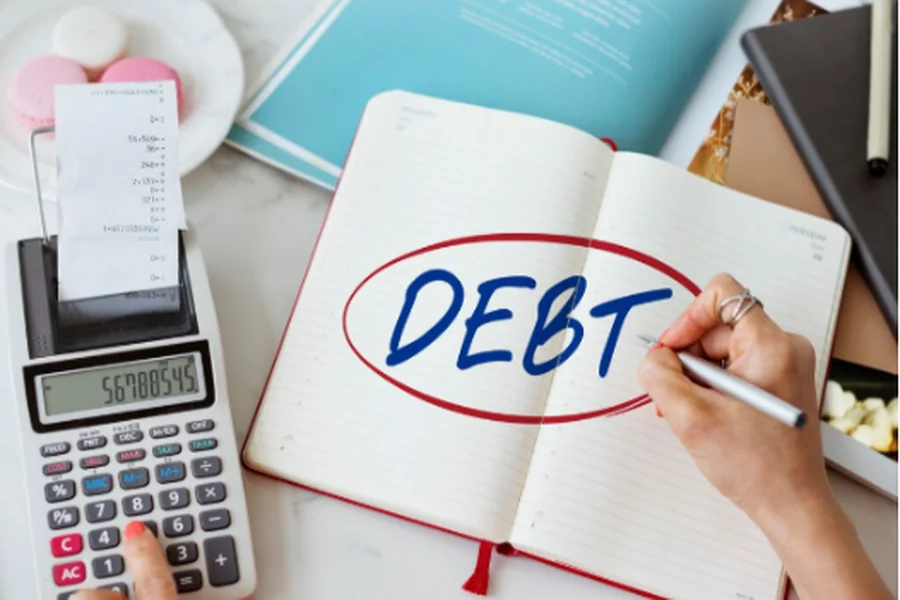
Debt is heavy and always remains on your mind. If you have high-interest debt, you know the feeling. Credit cards, store cards, and personal loans come with high interest rates. The payments come every month, and the balance barely moves. One option to save yourself is consolidation. You can roll it all into one loan, which means one payment and one interest rate. It sounds good. But it is not always the best solution, and it also does not work for everyone.
In this article, we will discuss in detail the pros and cons of consolidating high-interest debt.
Pros of Consolidating High-Interest Debt
Here are some reasons why you should consider consolidating your high-interest debt.
-
Lower Interest Rates
Credit cards charge 20% and sometimes 30% interest, which adds up fast. A consolidation loan might offer 10%, 12%, or maybe lower if you have good credit. The math is simple. A lower rate means less money wasted on interest, and more of your payment goes to the actual debt. You banks, credit unions, and online lenders offer credit card consolidation loans. But they all have different rates.
You can also consider SoFi for credit card consolidation loans. It is a well-known name that offers personal loans for debt consolidation. Their rates are often competitive. You can check online without affecting your credit.
-
Simplified Finances
Multiple cards mean multiple due dates, multiple logins, and multiple minimum payments. It is easy to miss one, and a missed payment brings fees, which affect your credit and add stress. Consolidation fixes that, as there is only one loan, one payment, and one due date. You set up autopay and forget it. There is no need to track five different accounts.
-
Faster Repayment
With lower interest, you pay less each month just to cover interest, which means more of your payment is for the principal amount, and the balance drops faster. Also, consolidation loans have fixed terms. You know exactly when it will be paid off.
Cons of Consolidating High-Interest Debt
With so many benefits, there are also some cons of consolidating high-interest debt.
-
Extended Repayment Terms
A lower monthly payment sounds good, but it often means a longer term. You might pay 5 years instead of 3. Over that time, you could pay more interest overall, even with a lower rate. So you must check the numbers and compare the total interest over the life of the loan versus keeping the cards.
-
Fees and Costs
Loans are not free. Some have origination fees of 1% to 5% of the amount. This means you get less money, and you also still owe the full amount. Moreover, some loans have prepayment penalties. Before making any decision, you must read the fine print and know what you are signing.
-
Risk of Losing Collateral
Some consolidation loans are secured. They are backed by something you own, like your house or car. If you fail to pay, they can take it. That’s why unsecured loans are safer. They do not come with the risk of losing collateral, but their interest rates may be higher.

