
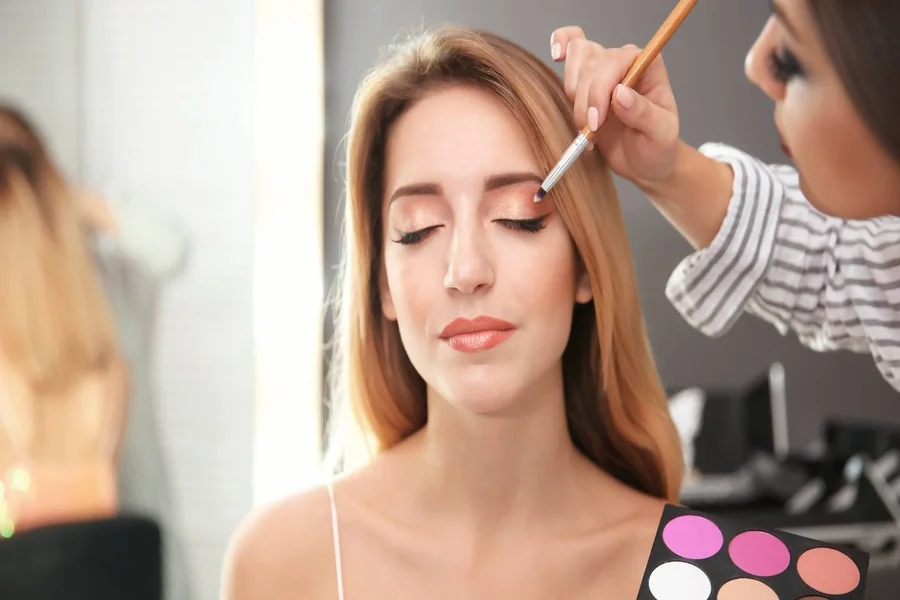
The beauty industry attracts creative individuals with a passion for transformation and self-expression. While many begin their journey experimenting with products and styles at home, transitioning into a professional setting usually requires more than natural talent. A deeper understanding of technique, hygiene, and client interaction becomes essential for success.
For those looking to turn their interest into a career, a structured education can offer direction and clarity. A mud makeup certification is one example of a short-term program that helps learners build key skills for real-world environments. From understanding skin tones to working under time pressure, these programs guide students through essential lessons that support long-term growth in the field.
Why Skill Development Needs Structure
Being self-taught can offer a strong start, but it may not fully prepare someone for the expectations of salon work, production sets, or client appointments. Professionals are expected to understand product usage, apply techniques correctly for different skin types, and maintain safe and hygienic practices. These are important areas where structured learning plays a role.
Training programs teach more than application methods. They introduce learners to facial analysis, color correction, and time management. These lessons are essential when working with people under real-world conditions.
What Makeup Training Typically Includes
Most short-format makeup courses are designed to blend technical instruction with hands-on experience. Students are introduced to essential concepts and practice skills in a guided environment that mirrors real-world beauty settings. Common elements covered in training include:
- Skin preparation techniques for different skin types
- Foundation matching to achieve natural, even finishes
- Applying contour and highlight to bring balance and structure to facial features
- Eye makeup application for day, evening, and editorial looks
- Live model practice to build adaptability and real-time decision-making
Many programs include a starter kit with essential tools, such as brushes, palettes, and color wheels. These items reflect the tools professionals use in real-world settings. Practicing with them helps students build comfort and skills from the very beginning.
The Role of Certification in Career Building
While not always required by law, certification can make a meaningful difference in how a makeup artist is viewed in the professional world. It reflects formal training, consistent performance, and a commitment to quality, qualities that many clients and employers value. Here’s how certification can support career growth:
- Demonstrates foundational training in sanitation, application techniques, and client handling.
- Builds trust with clients who prefer artists with formal education.
- It opens doors to opportunities in salons, spas, and production settings.
- Strengthens freelance credibility, especially when building a first portfolio.
- Provides a path forward to more advanced or specialized beauty programs.
For many aspiring artists, certification offers structure and credibility early in their careers. It helps build confidence while reinforcing essential techniques and safety standards. Over time, it can lead to broader, more stable opportunities within the beauty industry.
Who May Benefit from Makeup Certification Courses
People from many backgrounds consider beauty education. Some are just starting, while others are changing careers or acquiring new skills. Certificate courses are beneficial for those who want a clear path into the industry without a long-term academic commitment.
Participants generally gain a well-rounded understanding of the responsibilities involved in makeup artistry. This includes technique and presentation, client communication, and preparing for the next steps in their development. These are essential parts of becoming a reliable and confident professional.
Many learners find that a MUD makeup certification, for instance, adds structure and direction to their passion for beauty. It teaches more than just technique by introducing students to the habits and expectations of working professionals. While some artists gain experience through other paths, certification provides a structured and practical way to start building a career. It can support future goals by laying a strong foundation, making it a valuable option for those looking to grow in the beauty industry.

