
What Is Reverse Phone Lookup?
Definition and Core Idea
A reverse phone lookup is one of those tools that feels simple on the surface but becomes incredibly powerful once you start using it. At its most basic level, it allows you to enter a phone number and discover who it belongs to. Instead of asking, “What’s their number?” you’re asking, “Who is behind this number?” That shift in perspective is what makes it so useful in everyday life.
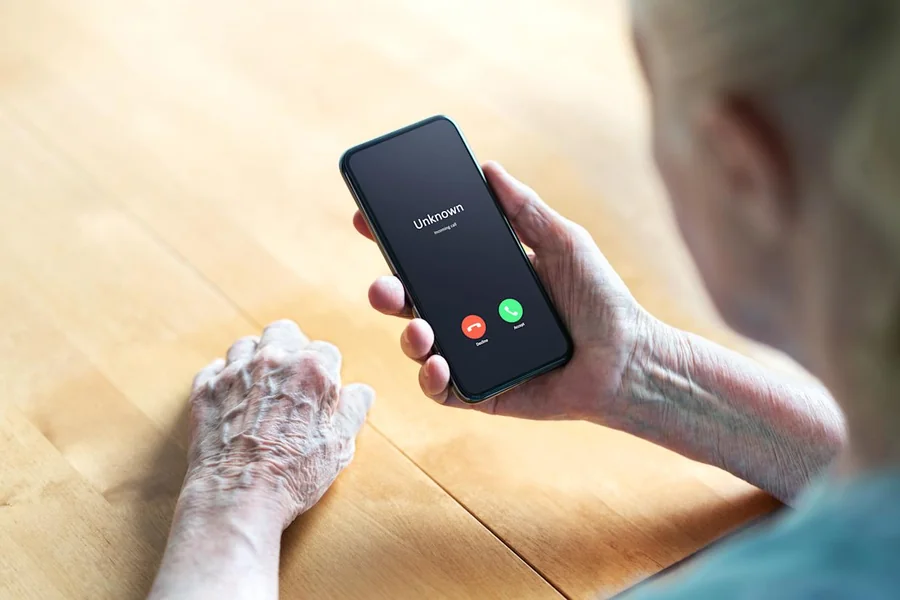
Think about how often unknown numbers pop up on your phone. Maybe it’s a missed call, a random message, or repeated attempts from a number you don’t recognize. That curiosity—or sometimes concern—drives millions of people to use reverse lookup tools every day. According to telecom data trends, over 50% of mobile users receive at least one spam or unknown call weekly, making identification tools more relevant than ever.
What makes reverse phone lookup even more interesting is how it pulls together scattered pieces of information. It gathers data from public records, telecom directories, and online platforms to create a profile around a number. In some cases, you might find a name, location, carrier, or even associated social accounts.
It’s like turning a mysterious voice into a visible identity. Instead of guessing, you get clarity—and that clarity can make a huge difference, especially when your safety, time, or even emotions are involved.
How It Differs from Traditional Contact Searches
Traditional contact searches usually begin with a name. You type in “John Smith” and try to find a number linked to that identity. A reverse phone lookup, however, flips the script completely. You start with the number and work your way back to the person.
This difference matters more than it seems. In many real-life situations, you don’t have a name—you only have a number. Maybe someone new gave you their contact, or you received a message that feels suspicious. Without a reverse lookup, you’re essentially navigating blind.
Another key distinction lies in context. Traditional searches focus on identifying someone you already know or are looking for. Reverse lookups are often about uncovering the unknown. They help answer questions like:
- Who just called me?
- Is this number linked to a real person or a scam?
- Should I trust this contact?
This is where things get especially relevant in relationships. A number can represent more than just a contact—it can represent a connection, an intention, or sometimes even a hidden truth. Reverse phone lookup gives you a tool to explore that layer responsibly.
How Reverse Phone Lookup Works
Data Sources and Information Channels
A reverse phone lookup tool doesn’t magically “know” who owns a number—it builds that knowledge by pulling from multiple data sources. These sources include both public and private datasets, each contributing a piece of the puzzle.
Telecom providers are one of the primary sources. They maintain records of phone numbers and their registered owners, although not all of this data is publicly accessible. Public directories and listings also play a role, especially for landlines and business numbers.
Then there are data aggregators—platforms that collect information from various places and compile it into searchable databases. These may include:
| Source Type | Information Provided |
| Telecom Records | Carrier and region |
| Public Listings | Name and address |
| Social Media | Profile associations |
| Online Directories | Business or personal listings |
The real strength comes from combining these sources. When multiple records point to the same identity, the confidence level increases. It’s similar to hearing the same story from different people—you start to trust it more.
However, not all numbers are equally traceable. Mobile numbers, especially newer or private ones, may have limited publicly available data. That’s why results can vary depending on the number and the platform used.
Technology and Matching Algorithms
Behind every reverse phone lookup is a system of algorithms working to match a number with relevant data. These algorithms scan databases, identify patterns, and rank results based on likelihood.
One key component is pattern recognition. The system looks at how numbers are formatted, where they originate, and how they connect to other data points. For example, a number linked to multiple social profiles carries more weight than one with no digital footprint.
Machine learning is also reshaping this space. Modern tools learn from user interactions—such as which results are selected or verified—and refine future searches accordingly. Over time, this creates a smarter, more accurate system.
Another important factor is data cleaning and normalization. Numbers can appear in different formats (with country codes, spaces, or dashes), and the system standardizes them to ensure accurate matching.
All of this happens in seconds, giving you a clear result without exposing the complexity behind it.
The Role of Reverse Phone Lookup in Relationships
Building Trust in New Relationships
In today’s digital world, many relationships begin with a phone number. Whether it’s someone you met online, at school, or through mutual friends, that number often becomes the first line of communication. A reverse phone lookup can help you verify who you’re actually talking to.
This isn’t about being suspicious—it’s about being informed. Trust is built on transparency, and knowing that a number matches the identity someone claims can provide peace of mind. Imagine starting a friendship or relationship without that uncertainty lingering in the background.
For example, if someone introduces themselves and shares their number, a quick lookup can confirm whether the name aligns with public data. It’s like double-checking the label on something important—you’re simply making sure everything matches up.
In a time where online interactions can sometimes blur reality, this extra layer of verification can strengthen genuine connections.
Detecting Red Flags and Hidden Identities
While reverse phone lookup can support trust, it can also reveal warning signs. Not every number comes with honest intentions, and sometimes, a deeper look can uncover inconsistencies.
Maybe the name doesn’t match, or the number is linked to multiple identities. These are signals worth paying attention to. According to cybersecurity reports, phone-based scams and impersonation cases have increased significantly in recent years, making awareness more important than ever.
In relationships, this becomes even more critical. If someone is hiding behind a false identity or using multiple numbers, it can indicate dishonesty. A reverse lookup acts like a flashlight—it doesn’t accuse, but it illuminates what’s there.
That said, it’s important to approach this responsibly. The goal isn’t to invade privacy but to protect yourself and make informed decisions.
Why People Use Reverse Phone Lookup
Identifying Unknown Callers
Unknown calls are one of the biggest reasons people turn to reverse phone lookup tools. Whether it’s a missed call or repeated attempts, curiosity quickly turns into a need for clarity.
Instead of calling back blindly, you can check who’s behind the number first. This simple step can save you from scams, telemarketers, or unwanted interactions.
Protecting Emotional and Personal Safety
Beyond curiosity, there’s a deeper motivation—safety. A phone number can open the door to communication, but it can also carry risks. Reverse lookup tools help you decide whether to engage or step back.
In relationships, this becomes even more important. Knowing who you’re communicating with helps you protect your emotional well-being as well as your personal information.
Benefits of Reverse Phone Lookup
Speed and Convenience
One of the biggest advantages is how fast it works. Within seconds, you can go from uncertainty to clarity. That speed makes it incredibly practical in everyday situations.
Access to Valuable Insights
Beyond names, some tools provide additional context—location, carrier, and even online presence. These insights help you see the bigger picture rather than just a single data point.
Limitations and Risks
Accuracy Challenges
Not all data is up to date. Some numbers may return incomplete or outdated results, especially if they’re newly issued or privately registered.
Privacy and Ethical Concerns
Using reverse lookup tools responsibly is essential. While the data is often public, how you use it matters. Respecting boundaries ensures these tools remain helpful rather than harmful.
Best Reverse Phone Lookup Tools
Free vs Paid Platforms
Free tools offer basic details, while paid services provide deeper insights. Choosing the right one depends on how much information you need.
Feature Comparison Table
| Feature | Free Tools | Paid Tools |
| Name Lookup | Basic | Detailed |
| Location Info | Limited | Accurate |
| Social Profiles | Rare | Often Included |
| Data Depth | Low | High |
Step-by-Step Guide to Using Reverse Phone Lookup
Using a reverse phone lookup is simple. Enter the number, select a platform, and review the results. The process is designed to be user-friendly and accessible to everyone.
Tips for More Accurate Results
Double-check the number format, use multiple platforms, and avoid relying on a single source. This improves accuracy and confidence in the results.
Legal and Ethical Use
Responsible Searching Practices
Always use reverse phone lookup for legitimate purposes. Avoid misuse, harassment, or violating someone’s privacy. Responsible use ensures the tool remains beneficial.
Future of Reverse Phone Lookup
AI and Smarter Identification Systems
The future is heading toward smarter, faster, and more accurate systems powered by AI. These tools will continue to evolve, offering deeper insights with less effort.
Conclusion
A reverse phone lookup is more than just a tool—it’s a way to bring clarity into a world filled with unknown connections. Whether you’re identifying a caller, protecting yourself, or navigating relationships, it offers a practical and accessible solution. Used responsibly, it becomes a powerful ally in making informed decisions and building safer, more transparent interactions.

