
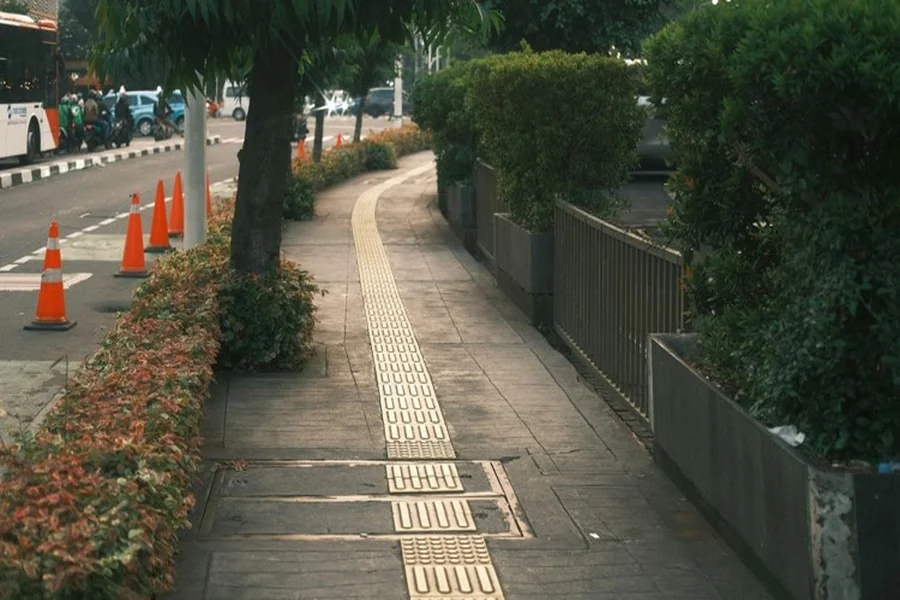
Commercial properties occupy highly visible real estate. Whether it’s a shopping plaza, office complex, restaurant, or multifamily residence, the sidewalks surrounding these spaces carry immense functional and legal significance. They serve as first impressions, pedestrian pathways, ADA-compliant access zones, and emergency exits. But when they crack, shift, or deteriorate, they become liability magnets and compliance red flags. For property managers, business owners, and developers, sidewalk maintenance is not optional—it’s a strategic necessity tied directly to safety, regulatory standards, and reputational integrity.
Navigating sidewalk repair Bronx in the commercial context requires a clear understanding of municipal codes, risk management practices, and long-term value planning. With heavier traffic, broader public use, and legal scrutiny, commercial sidewalks demand higher performance—and their upkeep reflects an organization’s attention to both detail and duty.
Commercial vs. Residential Sidewalk Responsibilities
Sidewalk maintenance laws vary by city, but in most jurisdictions, the adjacent property owner is responsible for repairs—whether the sidewalk is in front of a private home or an entire shopping center. However, commercial properties often face stricter oversight due to volume of use and proximity to public transportation routes, retail corridors, and civic facilities.
Cities may enforce tighter inspection schedules for commercial sidewalks, especially in dense business districts. Requirements for slab depth, ADA accessibility, curb ramps, and tactile indicators often exceed residential standards. Ignoring a citation or delaying a repair may incur heavier fines, and the cost of litigation rises sharply when a public-facing business is involved.
Where residential sidewalks might be subject to casual local complaints, commercial properties are more likely to receive formal documentation from city inspectors, disability advocates, or injury claims investigators. That added scrutiny means owners and managers must stay proactive, not reactive.
Key Safety Risks in High-Traffic Zones
Commercial sidewalks don’t just age faster—they wear unevenly. Heavy pedestrian flow, delivery carts, bicycles, strollers, and even motorized scooters contribute to accelerated degradation. Tree roots from surrounding landscaping, improperly placed signage, or seasonal weather conditions add to the deterioration.
Uneven slabs, wide cracks, or pooling water create serious trip-and-fall hazards—especially at night or in inclement weather. Injuries sustained on commercial property may trigger lawsuits, insurance claims, and negative publicity. And in high-visibility zones like entrances or outdoor dining areas, sidewalk damage doesn’t go unnoticed.
Accessibility standards also come into play. Non-compliant slopes, obstructed pathways, or missing tactile features can violate ADA regulations, leaving businesses exposed to civil penalties and reputational damage.
Routine visual inspections, especially at pinch points where traffic volume is concentrated, play a critical role in early identification. Managers should walk the property quarterly—or even monthly—to check for signs of sinking, cracking, movement, or drainage issues. Timely intervention can prevent a minor repair from becoming a multi-slab replacement.
Navigating Municipal Codes and Compliance Expectations
Every city has its own sidewalk code—and commercial properties must navigate these rules with precision. Specifications often dictate concrete mix, finish texture, joint spacing, slope gradient, and width requirements. If the sidewalk touches a bus stop, fire exit, or school zone, further codes may apply.
Obtaining permits for repair is typically mandatory for commercial sites. Unlike smaller residential projects that may be exempt under certain thresholds, any public-facing repair in a commercial setting must be documented, approved, and executed according to city guidelines. Failure to follow procedure can lead to “stop work” orders, fines, or rejected inspections.
It’s wise to work with contractors who specialize in commercial concrete repair and who understand municipal and ADA requirements. They can anticipate challenges like staging in tight zones, maintaining pedestrian access during work hours, and managing delivery interruptions without compromising business operations.
Before work begins, managers should communicate clearly with tenants, visitors, and vendors. Signage, temporary routing, and updates help maintain professionalism and protect goodwill during the repair window.
Choosing Durable Materials for Long-Term ROI
Commercial sidewalks endure tougher conditions than residential ones, making material choice critical. While standard concrete works in many cases, high-traffic zones may benefit from fiber-reinforced concrete, decorative pavers, or stamped designs that resist wear while enhancing visual appeal.
In locations with frequent freeze-thaw cycles or heavy runoff, permeability and drainage systems should be integrated into design. Adding expansion joints or sealing surfaces with protective coatings can extend the life span of the repair.
For properties looking to elevate curb appeal—such as boutique storefronts or corporate buildings—colored concrete, embedded logos, or textured finishes may be worth exploring. These materials cost more upfront but can distinguish the property and reflect brand identity while ensuring compliance.
Managing Costs and Insurance Considerations
Sidewalk repair for commercial properties is often viewed through the lens of budget allocation—but safety and compliance should always take precedence. While average repairs range from $10 to $20 per square foot, additional costs for ADA upgrades, staging, permits, and night work can easily raise the price.
Commercial insurance policies may cover certain repairs if tied to injury prevention, weather-related damage, or vandalism. However, coverage often depends on documentation of prior inspections and due diligence. Keeping a log of sidewalk condition assessments and minor fixes can support insurance claims and legal defense if an incident occurs.
Some cities offer cost-sharing programs or grants for sidewalk enhancements, especially if the project improves accessibility or pedestrian infrastructure. Property managers should investigate these opportunities before initiating major repairs.
Future-Proofing Sidewalk Strategy
Sidewalk care is not a one-time fix—it’s an ongoing part of commercial property management. Planning regular maintenance, budgeting for minor repairs annually, and staying current with code updates ensures compliance and minimizes surprises. When sidewalks are treated as an asset rather than an expense, the benefits extend far beyond the concrete slab.
Investing in early intervention, smart materials, and professional contractors leads to safer properties, happier tenants, and a stronger community presence. Commercial sidewalks are more than a pedestrian path—they’re a reflection of operational excellence and public responsibility. For reliable help navigating city citations and ensuring fast, compliant repairs, trust the experts at Nycsidewalkviolations.com —where sidewalk safety meets legal precision.

