
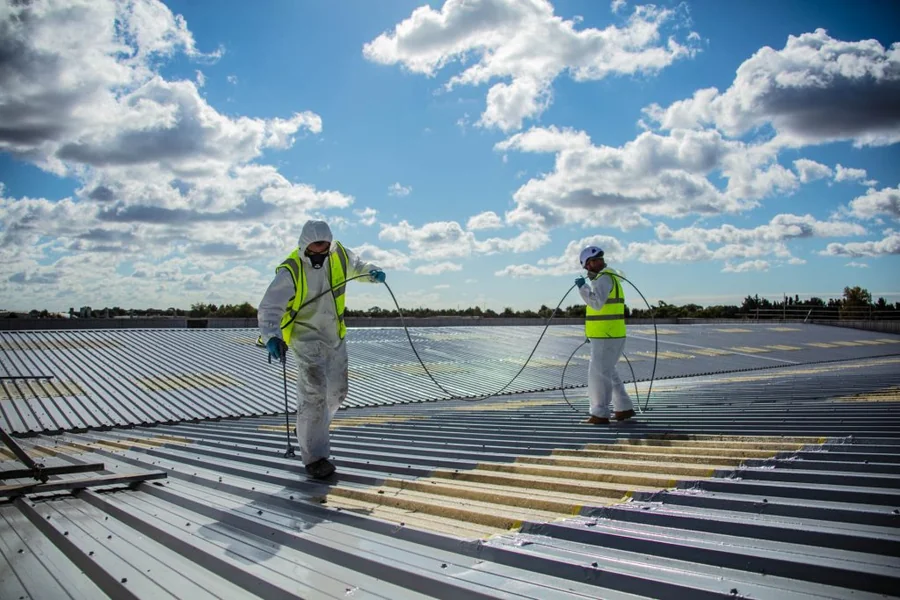
A commercial roof in Paducah is a major investment for any property owner. It protects everything inside from rain, sun, wind, and snow. Over time, that roof will show wear and require attention.
Many people assume a leak means a full replacement is the only option. That is not always true. A coating from a roofing contractor near Paducah can extend the life of the existing roof, save money, and improve energy efficiency. The challenge is learning to spot the early clues that a coating is needed.
Visible Cracks and Blistering
One clear signal of a roof in distress is the presence of surface cracks. These fissures often appear after years of expansion and contraction from temperature changes. A person might also notice blisters or bubbles on the roof membrane. These bubbles form when moisture or air gets trapped under the surface layer. Sunlight then heats that trapped material, causing it to expand and push upward. If a roof walker sees these cracks and blisters, a coating can seal them shut. The coating acts like a new skin, bridging those gaps and preventing water from seeping through.
Persistent Ponding Water
Another red flag happens after a heavy rain. A flat commercial roof should drain water within 48 hours. When water sits in puddles for longer periods, it puts stress on the entire roofing system. This standing water breaks down the surface material over time. It also adds heavy weight to the structure. A roof coating can be applied with a special slope or tapered insulation to help water move toward drains. The coating itself is also designed to resist water damage. This stops ponding water from eating away at the roof membrane.
Frequent, Minor Leaks Inside
A building owner in Paducah might find small water stains on ceiling tiles or walls. They might call a repair crew once or twice a year to patch a leak. These minor issues are not major disasters yet, but they are warning signs. Each patch creates a new seam or weak point on the roof. Eventually, the roof looks like a patchwork quilt of repairs. A commercial roof coating covers the entire surface in one seamless layer. That layer stops leaks at their source. It also eliminates the guesswork of chasing individual drips.
High Energy Bills for No Reason
Sometimes a building shows no visible damage at all, but the utility bills keep climbing. A dark, aged roof absorbs heat from the sun. That heat transfers into the building below. Then the air conditioner works overtime to cool the space back down. A person in Paducah can check the roof surface temperature on a sunny afternoon. If it feels very hot to the touch, the roof is a major source of energy loss. Many commercial roof coatings are reflective and white or light gray in color. They bounce sunlight away from the building. This simple change can lower cooling costs by a noticeable amount.
Loose or Deteriorated Flashing
The flashing is the metal or membrane material found around vents, pipes, skylights, and roof edges. It creates a watertight seal in these critical zones. Over time, flashing can pull away from the roof surface. The sealants used at these joints often crack and crumble. A property manager might see gaps where water can easily enter. Fixing each piece of flashing individually can be expensive and temporary. A roof coating in Paducah bonds directly to the flashing and the main roof membrane. It creates one continuous barrier across all those tricky areas.
For many roofs that show cracks, ponding water, minor leaks, high energy bills, or failing flashing, a coating offers a practical solution. It costs much less than a new roof in Paducah. It adds years of life to the existing materials. The best step a building owner can take is a professional inspection from a roofing contractor near Paducah. A qualified roofer can confirm whether a coating is the right move.

