
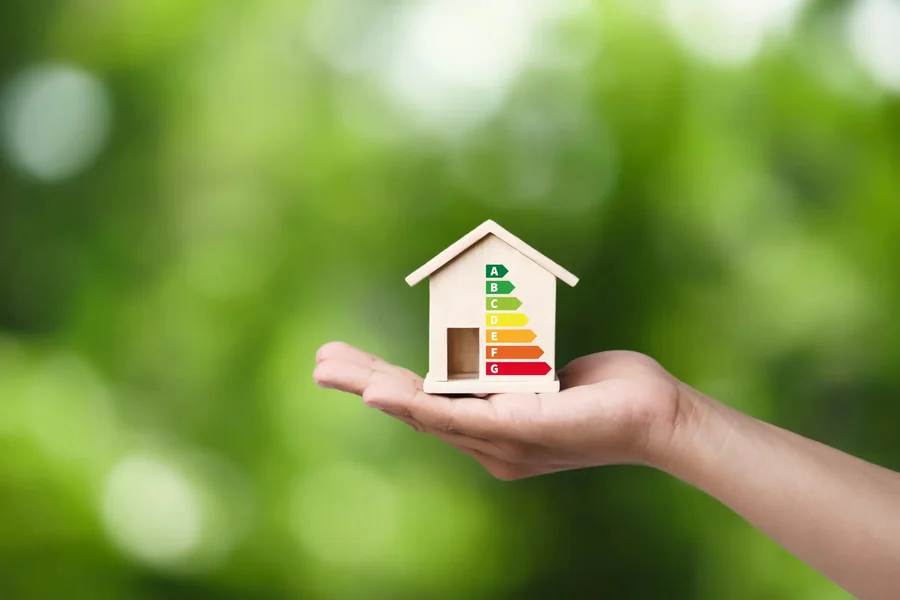
For many people, the idea of a greener home starts with a simple wish to lower energy bills and reduce waste. Upstate, with its distinct seasons and beautiful natural landscape, offers a perfect setting for this shift toward eco-friendly living. Custom home builders in the region now focus on more than just square footage and layout.
When people reach out to firms like Reed Construction Co for custom homes in Upstate SC, they gain the help of experts who pay close attention to how a house interacts with its environment over time. This movement changes the way residents think about comfort, cost, and conservation. Builders prove that sustainable living does not require a sacrifice in style or convenience.
A Shift Toward Local and Natural Materials
Custom builders look first at what the land around a site can provide. They choose local stone, timber, and reclaimed wood to cut down on transportation emissions. These materials often come from within a few hours of the job site. They also last longer because they naturally suit the local climate. Builders mix these resources with modern insulation panels and energy-efficient windows. The result is a home that feels rooted in its place. Homeowners gain a stronger connection to the region’s character and resources.
Designing for Energy Independence
Many new custom homes in Upstate now generate their own power through solar arrays or geothermal systems. Builders position the house to capture sunlight during cold months while shading it in summer. They install high-grade insulation in walls, roofs, and foundations to stop heat from escaping. Some homes use battery storage to keep lights on during winter storms. This approach reduces reliance on the traditional power grid. Residents often see a sharp drop in monthly utility bills within the first year.
Water Conservation Becomes Standard Practice
Upstate builders integrate rain collection systems directly into roof and gutter designs. They funnel that water to gardens or toilet systems instead of letting it run off into the streets. Low-flow fixtures and smart irrigation controllers cut indoor and outdoor water use by large margins. Some homes include gray water systems that recycle sink and shower water for landscaping. Builders also select native plants that thrive without extra watering. These steps protect local streams and lakes from pollution caused by runoff.
Healthier Indoor Environments for Families
Sustainable building methods also improve the air quality inside a home. Custom builders avoid paints, adhesives, and sealants that release harmful chemicals. They install ventilation systems that bring in fresh outdoor air while filtering out pollen and dust. Natural daylight gets priority in room layouts to reduce the need for artificial lighting. Many homes now feature non-toxic flooring like cork or polished concrete. Families with allergies or breathing issues notice a real difference in these spaces.
Long-term savings outweigh initial costs
Many people worry that green custom homes cost too much to build. However, builders show that the extra investment pays off within five to ten years. Lower energy and water bills add up to substantial savings over time. These homes also need fewer repairs because their materials and systems are built to last. Property values for sustainable homes rise faster than for standard houses. Insurance companies sometimes offer lower rates for homes with resilient green features. Builders help clients focus on the full financial picture rather than just the upfront price.
Builders like Reed Construction Co for custom homes in Upstate SC are quietly changing what a house can be. They replace wasteful habits with smart design and durable materials. Each new home becomes a small model of how people can live with less harm to the land. Homeowners gain comfort, lower bills, and peace of mind. Builders gain a reputation for work that matters years into the future. The shift to sustainable living starts with one decision to build differently.

