
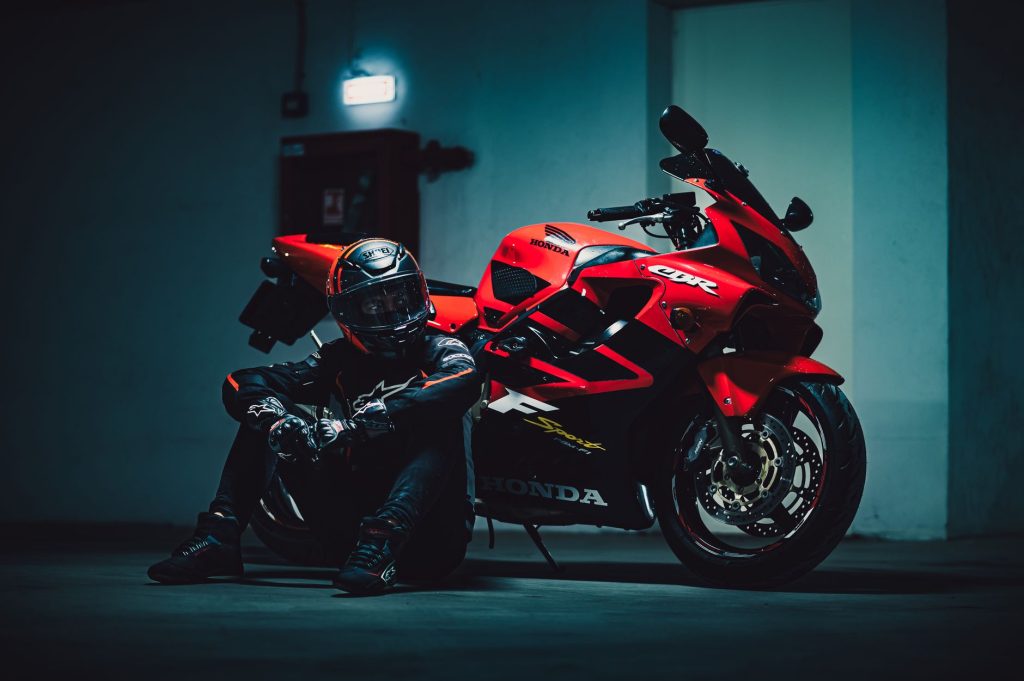
Finding parts for an older sport bike becomes harder as production ends, inventories shrink, and original components leave regular distribution channels. Riders then face uncertain fitment, outdated listings, and repairs that stall over one missing seal or bracket.
A practical sourcing process reduces those delays. It starts with accurate model information, continues through careful part verification, and ends with checking whether the component suits the intended repair or upgrade.
Start With Exact Model Information
A model name alone rarely provides enough information for correct sourcing. Sport bikes often changed during a production run, with updates to engine parts, bodywork, electrical systems, suspension, and exhaust mounting points.
The owner should record the model designation, production year, engine size, and any relevant generation code. A vehicle identification number can also help confirm the motorcycle’s original specification. This information prevents a common mistake: ordering a part that fits a similar model but uses different mounting points or connectors.
Riders looking for genuine Suzuki motorcycle parts for repairs and upgrades can use those model and system categories to narrow the search. That approach helps separate routine replacement parts from equipment intended for performance work. It also gives the buyer a practical checklist before comparing fitment details, quantity, and installation requirements.
Check Categories Before Searching Part Numbers
Older motorcycles often have parts grouped by system rather than by a single complete assembly. A repair that seems simple can involve related components from several categories.
For example, an engine repair could require gaskets, bearings, fasteners, camshaft parts, or valve components. A clutch job could involve plates, springs, a cable, and related hardware. Searching by the system first gives buyers a clearer view of compatible components.
For Suzuki models, the available categories include engine, electrical, cooling, clutch, drive, brakes, suspension, fuel, intake, exhaust, and bodywork parts. The Suzuki section also organizes parts for the Hayabusa, GS1100-GS1150, GSXR1000, GSXR750, GSXR600, and GSX-8R.
Verify Fitment Before Ordering
Part numbers remain the most reliable way to confirm a match, but older listings do not always provide complete information. The buyer should compare the listed model, production year, engine specification, and component description before purchasing.
Measurements also matter for parts without a clear original-equipment reference. Brake components require correct diameter, thickness, mounting pattern, and clearance. Electrical parts require matching connectors, voltage, mounting points, and circuit function. A similar appearance does not prove compatibility.
Gaskets deserve close attention because thickness and material affect sealing. Bearings require the correct inside diameter, outside diameter, and width. Hardware also needs the right thread size and pitch, especially around engine cases and suspension mounts.
Separate Repairs From Upgrades
A replacement restores the motorcycle to a usable condition, while an upgrade changes how a system operates. Mixing those goals can lead to an unsuitable purchase.
A repair usually prioritizes original dimensions and direct fitment. An upgrade may involve an air shifter, ECU reflashing, a performance exhaust, nitrous equipment, suspension changes, or protective hardware. Each choice affects other systems, so the buyer should confirm clearance, control function, and installation requirements before ordering.
The intended use also shapes the decision. A street motorcycle needs dependable operation, service access, and legal equipment. A drag-racing build may prioritize launch control, shifting speed, weight reduction, or engine output. The correct part depends on that purpose.
Plan Around Hard-To-Find Components
Some older-model parts disappear first because manufacturers stop producing them or dealers reduce stock. Bodywork, electrical connectors, model-specific brackets, cases, and unusual fasteners often create the longest delays.
A rider should inspect the entire repair before removing the motorcycle from service. Replacing one worn part can reveal damaged seals, stretched fasteners, cracked mounts, or degraded wiring. Ordering related items together reduces repeated downtime and shipping costs.
Keeping the removed part also helps resolve fitment questions. Its dimensions, connector shape, mounting holes, and wear pattern provide useful evidence if a listing lacks detailed photographs.
Store Records for Future Repairs
A simple parts record makes later sourcing faster. It should include the motorcycle’s complete model information, installed modifications, part numbers, measurements, and the date of each repair.
Photographs of connectors, brackets, routing, and mounting locations create a useful reference before disassembly. Notes about torque values and fluid specifications also reduce errors during reassembly.
Older sport bikes reward careful recordkeeping because the same repair problem becomes harder after listings disappear. A clear record gives the next search a precise starting point instead of relying on memory.
Conclusion
Sourcing parts for an older sport bike requires more than searching by model name. Accurate identification, system-based browsing, part-number checks, and careful measurements reduce incorrect orders. Riders should also separate restoration needs from performance goals and record every confirmed component for future work.
Before starting the next repair, photograph the motorcycle, write down its full specification, and list every related part the job could require. That preparation turns a scarce-parts problem into a manageable research task.

