
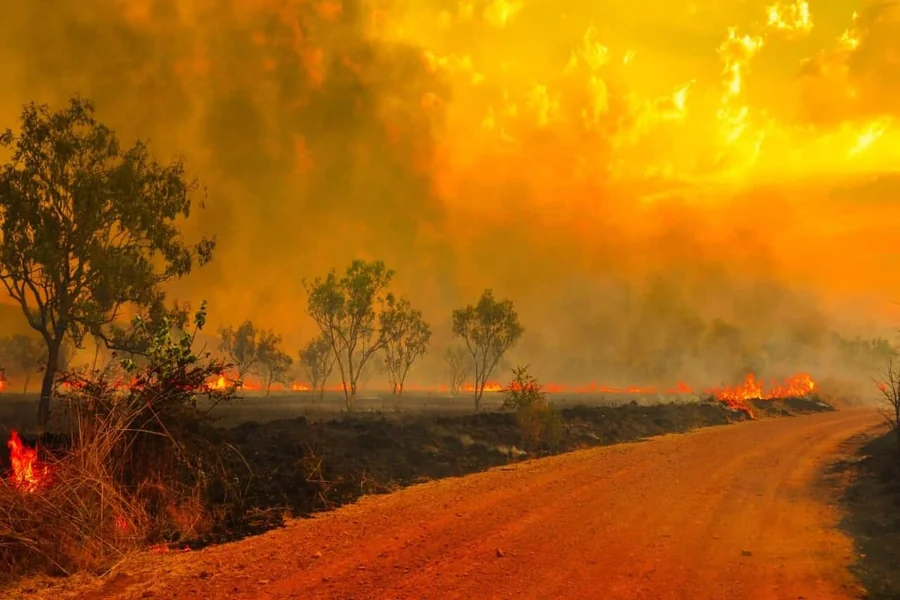
Australia’s natural beauty comes with its fair share of challenges, and bushfires are one of the most serious seasonal threats. These fires can move quickly, often with little warning, and may cause widespread damage in a matter of minutes. That’s why knowing how to prepare, act, and respond in a bushfire situation is essential for individuals, families, and communities.
With bushfire season becoming more unpredictable and intense, now is the time to take steps to protect your home and loved ones. Here’s a practical Bushfire Safety Checklist to help you understand the do’s and don’ts of bushfire preparation and survival.
DO’S:
Have a Survival Plan
One of the most effective steps you can take is creating a bushfire survival plan. This plan should clearly outline whether you will leave early or stay and actively defend your home. It’s not a decision to make at the last minute. Discuss it with your household and make sure everyone understands their responsibilities.
Keep your written plan in an easy-to-find location such as the fridge or a kitchen drawer. It should include:
- A full list of emergency contacts
- Safe routes to evacuate and meeting points in case family members get separated
- What to pack in an emergency kit and when to pack it
Make sure to rehearse your plan with all members of your household and revisit it each year before fire season begins.
Stay Informed
Being aware of the conditions around you can make all the difference. Use reliable sources to monitor bushfire alerts—such as your state fire authority’s website, local ABC radio, or emergency alert apps. Some apps even offer live maps and push notifications when fires are nearby.
Have a battery-powered or wind-up radio available in case of power outages, and consider enabling SMS notifications from your state’s emergency services. Fire conditions can change suddenly, and staying informed helps you respond without delay.
Prepare Your Property
Preparing your home in advance greatly reduces the risk of fire damage. You don’t need to wait until you’re under threat—start early in the season and maintain your property regularly.
Key steps include:
- Cleaning gutters to remove dry leaves and debris
- Mowing your lawn and removing long, dry grass
- Trimming back overhanging branches from your roofline
- Moving outdoor furniture and flammable items away from the home
- Blocking gaps under decks, around doors and windows where embers could enter
Even if you plan to evacuate, a well-prepared home is less likely to ignite during a fire.
Keep an Emergency Kit Ready
An emergency kit should be packed and ready long before a bushfire is near. Ideally, it should include:
- Drinking water (at least 3 litres per person per day)
- First aid supplies and essential medications
- Important documents in a waterproof bag (passports, birth certificates, insurance)
- Protective clothing: long pants, long-sleeved shirts, boots, goggles, and gloves
- Battery-powered torch and spare batteries
- Mobile phone with charger and power bank
- Snacks and toiletries for several days
Make sure everyone in the household knows where the kit is stored and what it contains.
DON’TS:
Leave It to the Last Minute
Waiting until you can see smoke or flames before acting can be deadly. Roads may be closed or unsafe, fire trucks could block access, and smoke can reduce visibility to almost nothing.
If your plan involves evacuating, you should do so well before the fire is close. Leaving early also reduces panic and ensures you can reach a safe location before conditions worsen.
Rely Solely on a Hose
A garden hose alone isn’t enough to defend your home against a bushfire. While hoses can help douse embers or dampen areas, they’re ineffective against fast-moving fires or radiant heat.
If you do choose to stay and defend, you’ll need:
- Ample water storage (like a tank or pool)
- A petrol-powered pump that works without mains power
- Protective gear, masks, and goggles
- The physical ability and mental preparedness to stay calm under pressure
Most fire services advise against defending your home unless you are well-prepared and have backup support.
Assume Urban Areas Are Safe
Bushfires aren’t just a rural problem. Ember attacks can travel many kilometres ahead of the fire front, and under the right conditions, bushland in suburban areas can ignite quickly.
In fact, suburban homes near parks, reserves, or undeveloped land are often just as vulnerable as rural properties. If you live near bushland, even in a city, you need to prepare.
Forget About Pets
Pets are part of the family and must be included in your bushfire plan. If you’re evacuating, take your pets with you. Keep their transport crates, food, leashes, and water ready to go. If you’re staying, make sure animals are sheltered in a safe, enclosed area away from the fire.
Conclusion
Bushfires are unpredictable and dangerous, but with proper planning, you can dramatically reduce your risk. Preparing your home, having an emergency kit, and discussing a clear survival plan with your family are all essential steps. Staying informed and making early decisions is the key to protecting what matters most.
By following these do’s and don’ts and using tools like the Bushfire Safety Checklist, you’ll be in a better position to stay safe during one of Australia’s most dangerous natural events. Preparation today could save lives tomorrow.

