
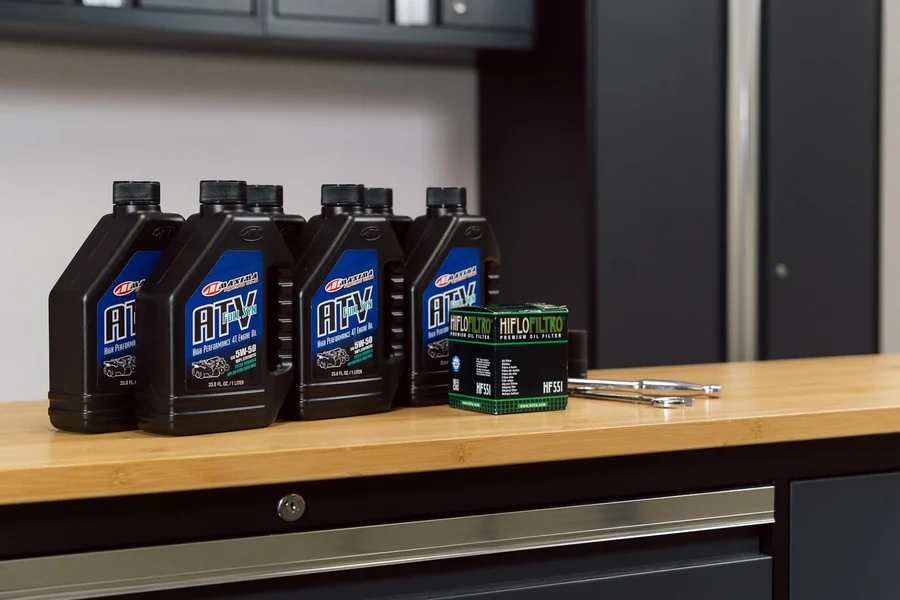
Routine oil service does more than refresh lubricant. It protects bearing surfaces, limits friction heat, and helps suspended debris leave the engine during drainage. A complete kit also reduces missed steps that can lead to seepage or poor filtration. Many owners think first about fluid weight, yet a proper change depends on matched seals, the correct filter, and accurate fill volume. Each item affects engine stability after startup.
Why a Full Kit Matters
A complete package removes guesswork before the drain pan even reaches the floor. During scheduled service, many owners review viscosity, filter dimensions, and seal type before choosing Polaris oil change kits, because one missing part can interrupt the entire job and leave the machine unusable until replacements arrive. That preparation supports cleaner maintenance, steadier oil pressure, and a lower chance of leaks after the engine returns to operating temperature.
Start With the Correct Oil
Engine oil must suit ambient temperature, workload, and manufacturer specifications. Viscosity influences cold-flow behavior, film strength, and protection under sustained heat. A reliable kit should state the exact grade and the required quantity. Clear labeling helps prevent underfilling, which can reduce lubrication, or overfilling, which may cause aeration. Both errors can disturb pressure control and shorten component life during repeated heavy use.
Include the Proper Oil Filter
The filter captures metallic particles, carbon residue, and other contaminants before they circulate through internal passages again. Incorrect sizing can weaken the gasket seal or restrict intended flow. A proper kit should include the exact filter for that engine configuration. Visible part identification also helps confirm compatibility before installation. That small check lowers the risk of bypass issues, leakage, or premature wear after service.
Do Not Skip the Crush Washer
The drain plug washer has a modest profile, yet its role is central. Once compressed, it creates the seal between the plug and the drain surface. Reusing a flattened washer raises the risk of slow seepage after repeated heat cycles. A complete kit should always include a fresh replacement. Even excellent oil and a new filter cannot compensate for fluid loss at the drain point.
O-Rings Need Equal Attention
Some engines use service caps, strainers, or housings sealed by O-rings. Heat exposure and compression gradually reduce their elasticity. A complete kit should include every ring replaced during routine service. Leaving out one seal can allow drips, air entry, or unstable pressure. Fresh components help mating surfaces close evenly without over-tightening. That matters because excess force can damage threads, housings, or nearby sealing faces.
Capacity Should Be Clearly Labeled
Correct fill volume matters as much as fluid quality. Too little oil can raise internal temperature and reduce protection at high loads. Too much can whip air into the lubricant and disturb pressure stability. Strong kits state the required quantity in plain language. That information helps owners measure accurately, avoid guesswork, and complete the refill without leftover uncertainty at the dipstick or inspection point.
Basic Instructions Add Real Value
A short instruction sheet can prevent avoidable errors, even for owners with regular service experience. Helpful guidance should list drain location, filter placement, fill amount, and any torque notes provided by the manufacturer. It should also remind users to warm the engine, inspect for leaks, and recheck the level after circulation. That sequence supports cleaner work and more reliable results after the first restart.
Packaging Should Keep Parts Organized
Order matters once gloves are on and used oil is draining. Secure packaging limits spills before the job begins. Separate wrapping also helps small seals stay visible instead of disappearing beneath rags or cardboard. An organized kit supports faster setup, smoother installation, and simpler final inspection. That practical detail becomes important during routine maintenance, where one misplaced ring can stop progress at once.
Fit Should Match the Exact Model
Many utility vehicles appear similar while using different filter threads, fill volumes, or seal dimensions. Model-specific matching prevents confusion before installation begins. A dependable kit should identify compatible machines clearly, including year ranges where needed. That precision lowers the chance of installing the wrong part and helps maintain accurate service records. Proper fit also supports normal oil flow and dependable sealing after reassembly.
Small Extras Can Improve the Job
Some kits include gloves, funnels, or absorbent towels. Those items are not essential, yet they make the process cleaner and easier to control. A funnel helps direct fresh oil into narrow fill openings without contamination. Gloves reduce skin contact with used lubricant during removal and inspection. While extras should never replace core service parts, they can improve efficiency during a routine maintenance session.
Conclusion
A complete UTV oil change kit should provide more than bottles and a filter. It should include the proper oil, the correct filter, fresh sealing parts, clear fill guidance, and exact fit information for the machine. That complete approach reduces missed steps, limits leaks, and supports stable lubrication after startup. With the right contents in one package, routine maintenance becomes cleaner, faster, and more reliable over time.

