
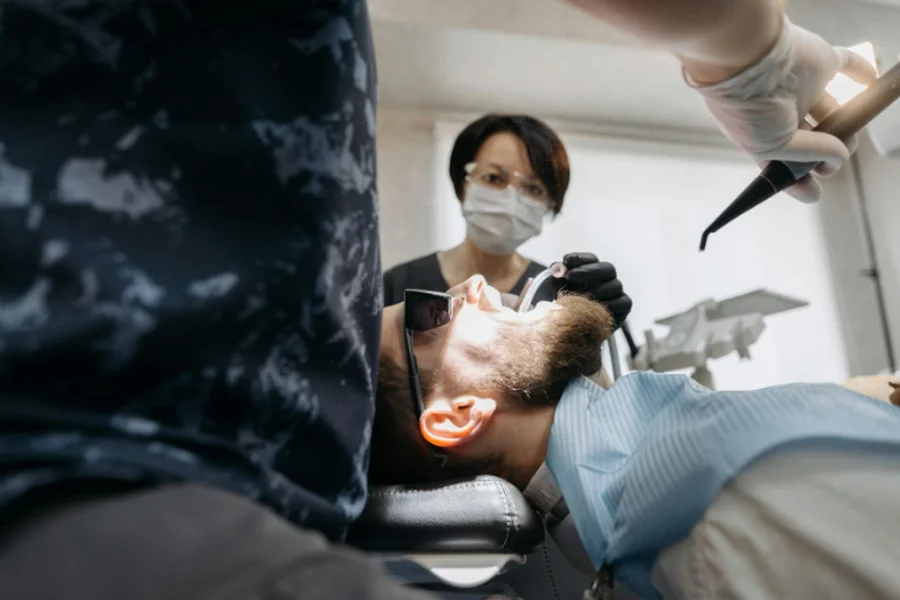
Root canal treatment in Charleston, SC, is a meticulous procedure that addresses pulp inflammation or infection within a tooth. It begins with a thorough evaluation of symptoms and diagnostic imaging. Anesthesia is administered, and the affected tooth is isolated to maintain sterility. The procedure involves precise removal of the damaged pulp, followed by cleaning, shaping, and sealing the canal. Understanding each step is indispensable for patients seeking effective dental care solutions. Discover the intricacies involved in ensuring ideal oral health.
Understanding the Need for a Root Canal
When decay penetrates the outer layers of a tooth and reaches the pulp, a root canal treatment becomes necessary to save the tooth from further damage and potential extraction. The causes of nerve damage within the tooth can stem from untreated cavities, repeated dental procedures, or even a crack or chip in the tooth. Once the pulp becomes compromised, symptoms of pulp inflammation may arise, including severe pain, prolonged sensitivity to heat or cold, swelling, and discoloration of the tooth. Such symptoms indicate an urgent need for intervention. The inflammation, if left untreated, can progress to an abscess, further jeopardizing oral health. Understanding these underlying causes and symptoms is critical in recognizing the necessity of a root canal to preserve dental integrity.
Initial Consultation and Diagnosis
During the initial consultation for a potential root canal treatment, a thorough diagnostic approach is employed to assess the condition of the affected tooth. This process begins with a comprehensive symptoms assessment, where the patient’s reported discomfort, sensitivity, and pain levels are meticulously documented. Diagnostic imaging, typically through X-rays, is utilized to visualize the internal structure of the tooth, aiming to identify any pulp inflammation or infection. Causes identification is essential, as it involves determining whether decay, trauma, or previous dental procedures have compromised the tooth’s integrity. A clinical examination complements these findings, allowing the dental professional to evaluate gum health and tooth response to stimuli. Together, these diagnostic elements inform the decision-making process for proceeding with root canal treatment.
Preparing for Your Root Canal Procedure
After a thorough diagnostic assessment confirms the need for a root canal, preparation for the procedure becomes the next focal point. This phase involves addressing anxieties and managing expectations to guarantee a smooth process. Patients should familiarize themselves with the procedural steps and discuss any concerns with their dental specialist to alleviate fears. Understanding that modern root canal techniques are relatively painless can help reduce apprehension. Pre-procedural instructions may include maintaining good oral hygiene, completing prescribed medications, and arranging transportation if sedation is involved. It is essential to clarify post-procedure care to verify a swift recovery. By extensively preparing for the root canal, patients can approach the treatment with confidence, knowing they have taken steps to optimize the outcome.
The Day of the Procedure: What to Expect
On the day of the root canal procedure, patients can expect a carefully structured process aimed at guaranteeing efficiency and comfort. Upon arrival, the dental team reviews the patient’s medical history and addresses any concerns. The procedure begins with anesthesia administration, tailored to numb the specific area and minimize discomfort. This step is indispensable to confirm the patient remains pain-free throughout the process.
The dental procedure duration typically ranges between 60 to 90 minutes, depending on the complexity of the case and the tooth involved. During this time, patients should remain as relaxed as possible. The dentist will systematically remove infected pulp, clean the canal, and shape it for filling. Each step is executed with precision to ascertain successful treatment outcomes.
Numbing and Isolation Techniques
During a root canal treatment in Charleston, the practitioner employs numbing and isolation techniques to guarantee patient comfort and procedural efficacy. Local anesthesia is meticulously administered to desensitize the affected area, minimizing discomfort during the procedure. Simultaneously, a dental dam is strategically placed to isolate the tooth, maintaining a sterile environment and preventing contamination.
Local Anesthesia Application
Before commencing a root canal treatment, the precise application of local anesthesia is essential to guarantee patient comfort and procedural efficacy. Effective anesthesia administration begins with selecting an appropriate anesthetic agent, tailored to the patient’s medical history and the tooth’s location. The practitioner must administer the anesthetic via infiltration or nerve block techniques, ensuring thorough coverage of the targeted area. Continuous assessment is critical; identifying inadequate numbness involves monitoring patient feedback and observing any involuntary muscle movements during initial probing. Should anesthesia prove insufficient, supplemental doses may be required. The clinician must remain vigilant, confirming numbness before proceeding, to prevent discomfort and ensure ideal working conditions. This meticulous attention to anesthesia ensures a seamless shift to subsequent procedural steps.
Dental Dam Placement
Proper dental dam placement is a critical step in root canal procedures, guaranteeing both isolation of the treatment area and maintaining a sterile environment. The rubber dam application involves selecting the appropriate size and type of dam material to fit the patient’s mouth comfortably. A dental clamp is secured around the tooth to anchor the dam, preventing contamination and enhancing visibility. Proper placement techniques require careful adjustment to guarantee a snug fit, preventing saliva or oral fluids from entering the treatment field. By isolating the tooth, the dentist can focus on the intricate root canal procedure with precision.
- Select appropriate rubber dam size and material
- Secure dental clamp to anchor the dam effectively
- Adjust for a snug, contamination-free fit
- Maintain a sterile, isolated treatment area
Cleaning and Shaping the Root Canals
The process of cleaning and shaping the root canals is a critical phase in root canal treatment, designed to remove infected tissue and prepare the canal for filling. This stage often involves advanced root canal therapy in Charleston, where meticulous techniques guarantee effective debris removal and proper canal shaping. Initially, endodontic files are employed to navigate through the canal, removing necrotic tissue and bacteria-laden debris. These files vary in size and taper, allowing for gradual enlargement of the canal while maintaining its anatomical integrity. The practitioner uses a combination of manual and rotary instrumentation, complemented by irrigants such as sodium hypochlorite, which aid in thorough decontamination. Achieving the correct taper and smooth canal walls is essential, ensuring the canal is ideally prepared for the subsequent filling stage.
Filling and Sealing the Tooth
With the canals meticulously cleaned and shaped, the process advances to filling and sealing the tooth, a phase that guarantees long-term protection against reinfection. This critical step involves selecting appropriate filling technique options to secure complete occlusion of the canal space. Typically, gutta-percha, a thermoplastic material, is used in conjunction with an adhesive cement to enhance sealing effectiveness. This combination prevents bacterial infiltration, safeguarding the tooth’s structural integrity.
Key considerations during this phase include:
- Selection of filling technique options: Tailored to the canal’s unique morphology.
- Ensuring sealing effectiveness: Critical to prevent future infections.
- Achieving a hermetic seal: Using biocompatible materials.
- Verification of proper fill: Through radiographic imaging to confirm complete canal obturation.
This meticulous attention safeguards optimal long-term outcomes.
Post-Procedure Care and Recovery
Following a root canal procedure, effective pain management and appropriate dietary adjustments are critical for ideal recovery. Patients are typically advised to use over-the-counter analgesics such as ibuprofen to alleviate discomfort, while avoiding chewing on the affected side to prevent undue pressure on the treated area. Additionally, a diet consisting of soft foods and avoiding extreme temperatures will facilitate healing and reduce irritation to the sensitive tissues.
Pain Management Tips
Proper pain management is a critical component of post-root canal treatment care, substantially influencing the recovery experience. Pain management techniques focus on minimizing discomfort during and after the procedure. Patients are often advised to follow a regimen that includes over-the-counter analgesics or prescribed medications if necessary. Managing discomfort during the procedure is paramount, with local anesthesia administered to numb the area effectively.
To facilitate a smoother recovery process, consider the following strategies:
- Cold Compress: Apply a cold compress to the cheek near the treated area to reduce swelling and numb pain.
- Elevate Head: Keep the head elevated, especially during sleep, to minimize throbbing.
- Avoid Hard Chewing: Limit chewing on the treated side to prevent irritation.
- Rest: Prioritize rest to allow the body to heal efficiently.
Dietary Recommendations
Consuming the appropriate diet plays an essential role in the recovery phase after a root canal procedure. Patients should adhere to specific food choices and dietary modifications to ensure optimal healing. Immediately after the procedure, it is advisable to consume soft foods such as yogurt, mashed potatoes, and smoothies, minimizing the risk of disturbing the treated area. Hard or crunchy foods should be avoided to prevent undue pressure on the tooth. Additionally, hot and spicy items should be limited to reduce irritation. Hydration is paramount, yet acidic beverages like citrus juices should be minimized to avoid sensitivity. Over time, a gradual return to a normal diet can occur, guided by any remaining discomfort and the dentist’s specific recommendations for individual recovery.
Signs of Successful Treatment
A successful root canal treatment in Charleston is often indicated by the absence of pain and swelling, which suggests that the infection has been effectively eradicated. Post treatment symptoms should be minimal, and the tooth should function normally without discomfort. Restoration success is evident when the treated tooth is stable and integrated well with adjacent teeth. For those evaluating the effectiveness of the procedure, several indicators can be considered:
- Normal Functionality: The tooth should feel and operate like a normal tooth without sensitivity.
- No Recurrent Infections: There should be no signs of infection returning, such as abscesses.
- Secure Restoration: The crown or filling should fit snugly without gaps or looseness.
- Healthy Surrounding Tissue: Gums around the treated tooth should appear healthy without irritation.
Long-Term Care and Maintenance
Proper long-term care following a root canal treatment is vital for ensuring the longevity and health of the treated tooth. This care includes meticulous post-treatment dental hygiene, such as brushing twice daily with fluoride toothpaste and flossing to prevent bacterial accumulation. Additionally, regular dental check-ups are indispensable to monitor the integrity of the restoration and to address any emerging issues promptly.
Post-Treatment Dental Hygiene
After undergoing a root canal treatment in Charleston, maintaining prime oral health becomes essential for preserving the longevity of the treated tooth. Employing proper brushing techniques and flossing considerations is vital. Brushing should be performed twice daily using a soft-bristled toothbrush, with gentle, circular motions to prevent gum irritation. Flossing must be executed with care, ensuring it reaches beneath the gum line without causing trauma. A fluoride toothpaste is recommended to strengthen enamel and protect against decay. Additionally, mouthwash can be used to reduce bacterial presence and enhance oral hygiene.
- Use a soft-bristled toothbrush for gentle cleaning.
- Employ circular motions while brushing.
- Carefully floss beneath the gum line.
- Incorporate fluoride toothpaste to bolster enamel integrity.
Regular Dental Check-Ups
Ensuring ideal oral health following a root canal involves more than just at-home care. Regular dental check-ups are integral to maintaining the results of the procedure. These visits provide an opportunity for dental professionals to inspect the treated tooth and surrounding tissues, ensuring no complications arise. During these appointments, dentists evaluate the patient’s adherence to good dental habits and proper oral hygiene practices. They may recommend adjustments to brushing and flossing techniques to prevent future issues. Additionally, professional cleanings remove plaque and tartar that accumulate despite diligent home care. Early detection of potential problems, such as recurrent decay or gum disease, allows for timely interventions. Routine visits are essential to preserve the longevity of the root canal treatment and overall oral health.
Frequently Asked Questions
How Long Does a Root Canal Procedure Typically Take?
A root canal procedure’s duration typically ranges from 60 to 90 minutes. This includes anesthetic administration, tooth isolation, pulp removal, canal cleaning, and sealing. The complexity of the case may extend the procedure time.
Are There Any Dietary Restrictions After a Root Canal?
After a root canal, soft food consumption is recommended to prevent irritation and aid in healing. Pain management techniques, including over-the-counter analgesics, support recovery by minimizing discomfort, allowing for a seamless shift back to regular dietary habits.
What Are the Costs of a Root Canal in Charleston SC?
In Charleston, SC, the cost of a root canal typically ranges from $700 to $1,500. Patients seeking affordable root canal options should consider cost-effective root canal solutions, which may include dental insurance plans or payment assistance programs.
How Can I Prevent the Need for Future Root Canals?
To prevent future root canals, one must maintain ideal dental hygiene habits, including brushing and flossing regularly. Regular dental checkups are vital for early detection and treatment of tooth decay, ultimately reducing the likelihood of requiring root canals.
Is It Normal to Experience Anxiety Before a Root Canal?
Experiencing anxiety before a root canal is common. Managing pre-procedure stress involves addressing patient concerns through education about the procedure, relaxation techniques, and open communication with dental professionals to guarantee a more comfortable experience.
