
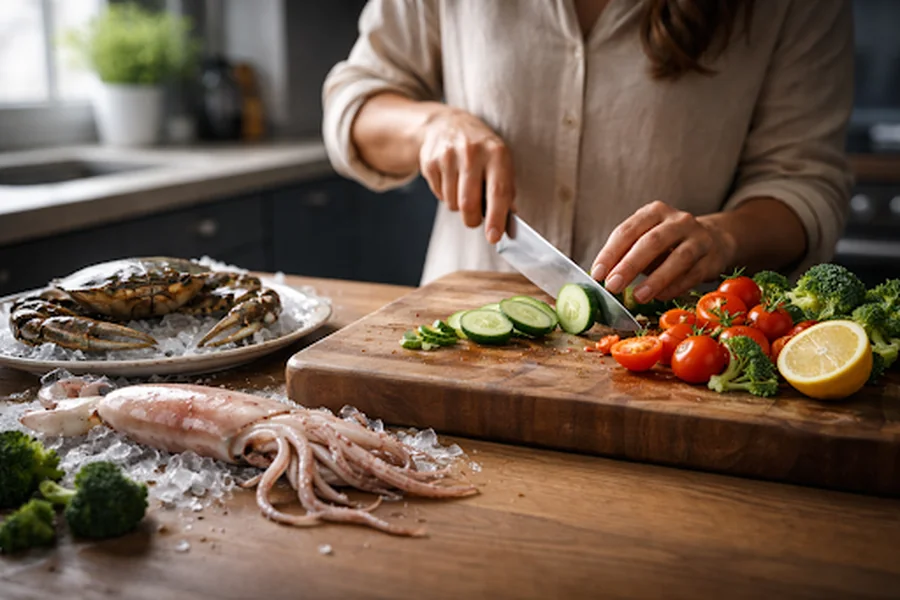
To confirm my understanding, the referenced page focuses on helping readers understand how to select, handle, and cook scallops properly. It emphasizes freshness, proper preparation techniques, and cooking methods that preserve texture and flavor, making it a practical guide for achieving high-quality results at home.
Understanding Delicate Proteins in Modern Cooking
In today’s evolving culinary landscape, delicate proteins have become a focal point for both home cooks and professional chefs. These ingredients, often subtle in flavor and sensitive in texture, require a refined approach that prioritizes precision over complexity. Whether sourced from land or sea, their appeal lies in their ability to showcase purity when handled correctly.
Delicate proteins differ from more robust ingredients because they can easily become overcooked or lose their natural character. This has led to a growing appreciation for techniques that highlight their inherent qualities rather than masking them with heavy seasoning or excessive processing. As a result, modern cooking increasingly leans toward restraint and balance.
The Role of Freshness and Sourcing
One of the most critical factors in preparing delicate proteins is the quality of the ingredient itself. Freshness directly impacts flavor, texture, and overall dining experience. Consumers today are more informed and selective, often seeking out premium sources that ensure consistent quality.
This awareness has driven a shift toward responsible sourcing and transparency in food production. Knowing where ingredients come from and how they are handled before reaching the kitchen has become just as important as the cooking process itself. High-quality ingredients set the foundation for successful dishes.
Precision Techniques for Optimal Results
Cooking delicate proteins requires a level of precision that goes beyond basic culinary skills. Temperature control, timing, and preparation methods all play a significant role in achieving the desired outcome. Even slight variations can dramatically alter the final result.
Many chefs emphasize the importance of understanding how heat interacts with proteins. Gentle cooking methods such as light searing, poaching, or steaming are often preferred. These techniques help maintain moisture while enhancing natural flavors, creating a more refined and enjoyable dish.
Incorporating expert tips for preparing fresh scallops at home into everyday cooking routines reflects this growing attention to detail. By focusing on proper handling, minimal seasoning, and controlled cooking times, home cooks can replicate restaurant-quality results with confidence.
Balancing Flavor Without Overpowering
One of the defining characteristics of delicate proteins is their subtle flavor profile. Unlike stronger ingredients, they do not require heavy spices or complex sauces to stand out. Instead, the goal is to complement rather than dominate.
Modern culinary trends favor clean, simple flavors that enhance the natural taste of the main ingredient. Light citrus accents, fresh herbs, and mild seasonings are commonly used to achieve this balance. The result is a dish that feels both sophisticated and approachable.
This approach also aligns with a broader movement toward healthier eating. By reducing reliance on heavy sauces and processed ingredients, cooks can create meals that are both flavorful and nutritionally balanced.
Texture as a Culinary Priority
Texture plays a crucial role in how food is perceived and enjoyed. With delicate proteins, achieving the right texture is often more challenging than developing flavor. Overcooking can lead to toughness or dryness, while undercooking may result in an unappealing consistency.
Modern cooking techniques place significant emphasis on achieving the perfect texture. This involves careful monitoring of cooking times and an understanding of how different methods affect the protein structure. The goal is to create a dish that is tender, moist, and visually appealing.
Attention to texture also enhances the overall dining experience. When executed correctly, it adds a layer of complexity that elevates even the simplest dishes.
The Influence of Minimalist Cooking Trends
Minimalism has become a defining trend in contemporary cuisine. This philosophy emphasizes simplicity, quality, and intentionality in every aspect of cooking. Rather than relying on elaborate presentations or excessive ingredients, minimalist cooking focuses on doing a few things exceptionally well.
Delicate proteins naturally align with this approach. Their subtle nature makes them ideal candidates for dishes that prioritize clarity and precision. By stripping away unnecessary elements, cooks can highlight the essence of the ingredient.
This trend has gained traction among both chefs and home cooks, reflecting a broader shift toward mindful and intentional cooking practices.
Bridging Restaurant Techniques and Home Cooking
Advancements in culinary knowledge and access to high-quality ingredients have made it easier for home cooks to adopt professional techniques. What was once considered exclusive to fine dining is now achievable in everyday kitchens.
This democratization of cooking has empowered individuals to experiment with new methods and ingredients. By understanding the principles behind delicate protein preparation, home cooks can elevate their skills and create impressive dishes with confidence.
The key lies in education and practice. With the right guidance, anyone can master the techniques needed to handle these ingredients effectively.
Sustainability and Conscious Consumption
As awareness of environmental and ethical issues grows, sustainability has become an important consideration in food choices. Consumers are increasingly seeking options that align with their values, including responsibly sourced ingredients and reduced waste.
Delicate proteins, particularly those from sustainable sources, fit well within this framework. By choosing high-quality ingredients and preparing them thoughtfully, cooks can contribute to a more responsible food system.
This approach not only benefits the environment but also enhances the overall quality of the dining experience. Conscious consumption encourages a deeper appreciation for the food we eat.
Elevating Everyday Meals
Incorporating delicate proteins into daily cooking does not have to be complicated. With the right techniques and mindset, even simple meals can become memorable experiences. The focus should be on quality, precision, and balance rather than complexity.
Revisiting expert tips for preparing fresh seafood at home can serve as a practical starting point for those looking to refine their approach. By applying these principles, cooks can consistently achieve excellent results while expanding their culinary repertoire.
A New Standard for Home Cooking
The growing interest in delicate proteins reflects a broader shift in how people approach cooking. It is no longer just about convenience or speed but about creating meaningful and enjoyable experiences.
As more individuals embrace these techniques, the standard for home cooking continues to rise. This evolution highlights the importance of knowledge, creativity, and attention to detail in achieving culinary excellence.

