
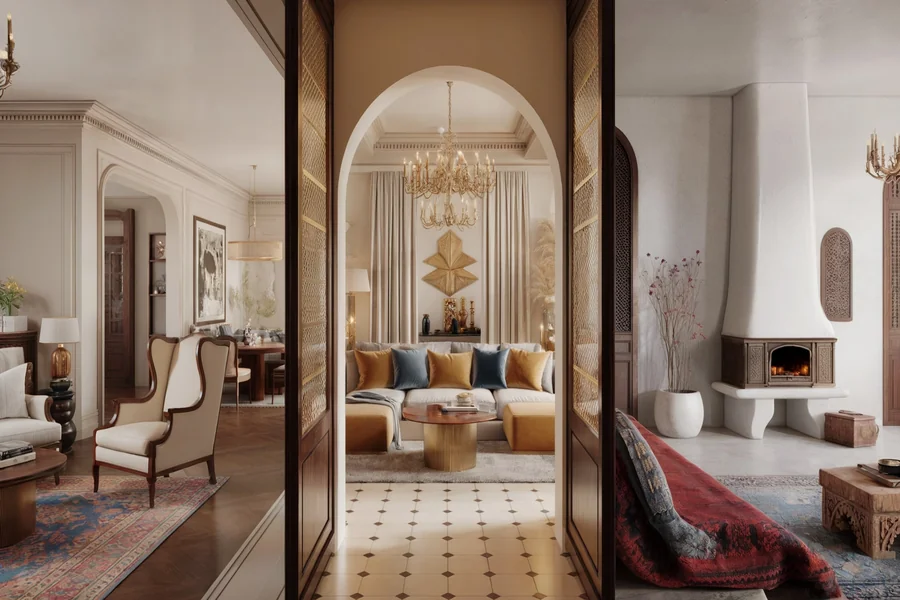
Timeless interiors do not emerge by chance. They are shaped by centuries of cultural influence, artistic expression and evolving social values. What we now consider classic or enduring in interior design is often rooted in historical traditions that span continents and civilisations.
From ancient stone halls to refined Georgian townhouses, cultural history has quietly shaped the way we design and experience our living spaces today.
Ancient Foundations of Interior Design
The origins of timeless interiors can be traced back to ancient civilisations such as Egypt, Greece and Rome. These societies understood that interiors were more than practical enclosures; they were statements of power, belief and identity.
Symmetry, proportion and the use of durable natural materials became central design principles.
Stone, in particular, symbolised permanence and strength. Grand villas and public buildings featured detailed flooring, columns and carved features that demonstrated wealth and sophistication. These early design choices established a foundation for what we still associate with elegance: balance, order and quality craftsmanship.
The emphasis on structure and symmetry during this period continues to influence modern interiors that favour clean lines and harmonious layouts.
Classical Ideals and the Pursuit of Balance
As European architecture evolved, classical ideals were revived and refined. During the Georgian and Neoclassical periods in Britain, interiors were carefully designed around proportion and restraint. Rooms were laid out with symmetry in mind, fireplaces were centred and decorative mouldings framed walls and ceilings with precision.
This sense of balance reflected broader cultural values. Order within the home mirrored intellectual clarity and social stability. Interiors became expressions of education and taste rather than displays of excess.
These principles remain influential today. When modern homes adopt symmetrical layouts, panelled walls or understated detailing, they are drawing from a cultural legacy that values harmony and proportion.
The Renaissance and Artistic Expression
The Renaissance reawakened an appreciation for classical art and architecture, blending it with a renewed focus on human creativity. Interiors during this period were richly detailed, with painted ceilings, sculptural elements and carefully chosen materials that reflected both status and cultural awareness.
Homes became canvases for artistic identity. Patrons commissioned skilled craftsmen to create spaces that reflected refinement and intellectual curiosity. The idea that interiors should tell a story about the owner, their values and their heritage took hold during this time.
Today’s timeless interiors still echo this philosophy. Thoughtful material choices and carefully curated details contribute to spaces that feel personal yet grounded in tradition.
Religious and Symbolic Influences
Religious architecture has also shaped the concept of timelessness in interiors. Churches and cathedrals were designed to evoke awe and permanence, often using natural light, stone and intricate detailing to create spiritual depth.
The symbolism attached to materials mattered greatly. Stone represented endurance, while carefully arranged spaces guided emotional experience. This connection between design and feeling continues to influence how we create calming, grounded environments within our homes.
Even in contemporary settings, incorporating natural materials and balanced layouts can evoke a sense of tranquillity rooted in centuries of symbolic design.
The Enduring Role of Natural Materials
Across cultures and historical periods, natural materials have consistently defined enduring interiors. Wood, stone and handcrafted finishes carry a sense of authenticity that manufactured trends often lack. Their imperfections add character, and their durability ensures longevity.
For example, marble tiles remain a popular choice not simply because of their appearance, but because they connect modern spaces to ancient traditions of craftsmanship and permanence. The subtle veining and natural variation within stone remind us that beauty often lies in organic detail rather than uniform perfection.
Materials that age gracefully tend to transcend passing trends. As they develop patina and depth over time, they reinforce the idea that interiors should evolve rather than expire.
Cultural Exchange and Layered Influences
Timeless interiors are rarely the result of a single cultural tradition. Trade, travel and migration have allowed design ideas to cross borders for centuries. Patterns, techniques and materials have blended, creating layered styles that feel both familiar and distinctive.
Victorian Britain, for example, absorbed influences from across the Empire, while later movements simplified and refined earlier decorative traditions. Each generation reinterpreted the past, adapting it to contemporary needs without completely abandoning its roots.
This layering of influence explains why timeless interiors often feel rich yet restrained. They combine history with practicality, tradition with innovation.
Why History Still Matters in Modern Homes
Timeless interiors endure because they are built upon cultural memory rather than fleeting fashion. They draw on principles that have proven their value across centuries: balance, craftsmanship, authenticity and respect for materials.
By understanding the cultural history behind interior design, we begin to see that timelessness is not about copying the past. It is about recognising the enduring qualities that have shaped human spaces for generations and allowing those qualities to inform modern living.
When interiors honour their historical foundations while adapting to contemporary life, they achieve something rare: a sense of permanence in an ever-changing world.

