
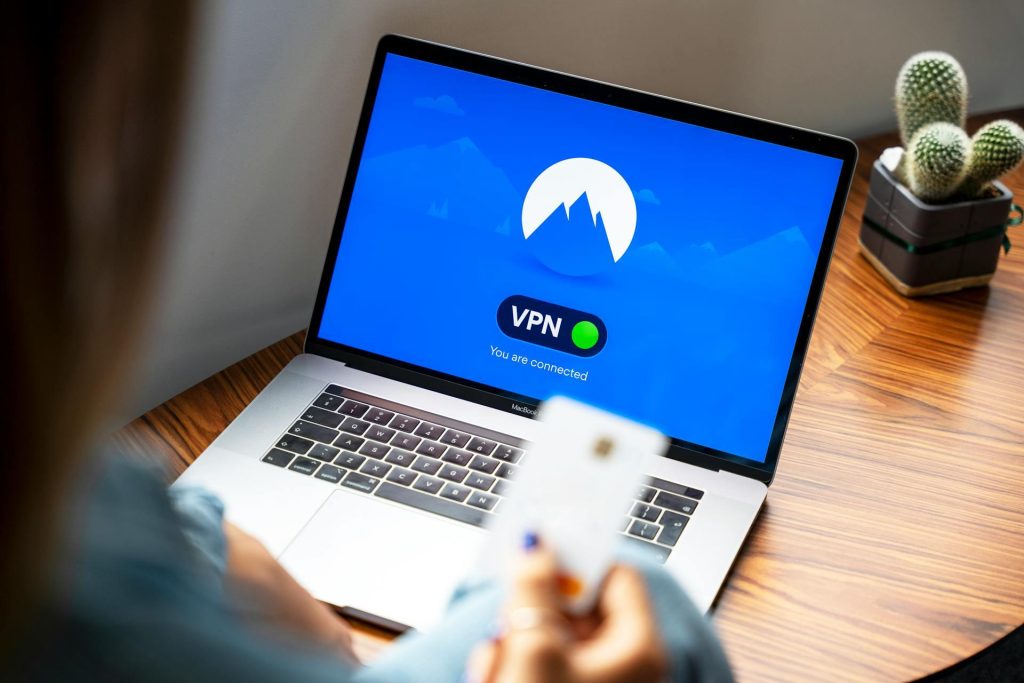
Technology now touches nearly every part of daily life. People shop online, manage finances through mobile apps, work remotely, store personal information in cloud platforms, and connect through social media. While these advancements have created convenience and opportunity, they have also opened the door to new risks. Cyberattacks, data breaches, identity theft, and online scams affect individuals, businesses, schools, and governments alike.
As digital systems become more deeply woven into society, cybersecurity is no longer a concern reserved for IT professionals. Basic knowledge of online safety has become an essential life skill, while advanced cybersecurity expertise is increasingly needed to protect critical systems and sensitive information. Education plays a key role in preparing people to navigate this evolving landscape safely and responsibly.
In this article, we'll explore why cybersecurity education is becoming more important than ever and how it is shaping the future of our digital world.
Expanding Access to Cybersecurity Education Through Online Learning
One of the most significant developments in recent years is the increased accessibility of cybersecurity education. Thanks to online learning platforms, people can gain valuable skills without relocating or adjusting their entire lifestyle. Courses range from beginner-level introductions to specialized certifications designed for experienced professionals.
These programs allow learners to study at their own pace while balancing work, family responsibilities, or other commitments. For those seeking advanced expertise, educational institutions now offer an online Masters of Cyber Security. This option provides deeper knowledge of risk management, digital forensics, network security, and leadership practices. As demand for cybersecurity professionals continues to rise, online education is helping more individuals prepare for rewarding careers in this rapidly expanding field.
Why Cybersecurity Knowledge Matters for Everyone
Many people assume cybersecurity is only relevant to technology experts, but that perception no longer reflects reality. Nearly everyone relies on digital tools for communication, banking, shopping, and entertainment. A single mistake, such as clicking a fraudulent link or using a weak password, can expose personal information to criminals.
Cybersecurity education equips individuals with practical knowledge that can be applied every day. Understanding how to identify suspicious emails, secure online accounts, and protect personal devices can significantly reduce risk. These skills are valuable regardless of age or profession. As society becomes increasingly connected, a basic understanding of cybersecurity is becoming as important as knowing how to safely navigate other aspects of modern life.
Protecting Personal Privacy in a Connected World
Personal data has become one of the most valuable resources in the digital age. Every online purchase, social media interaction, and mobile application generates information that can reveal details about an individual's habits, preferences, and identity. While technology offers convenience, it also raises important questions about privacy and data security.
Cybersecurity education helps people understand how their information is collected, stored, and shared. It encourages safer online behavior, including the use of strong passwords, privacy settings, and secure networks. With greater awareness, individuals can make informed choices about what information they share and who has access to it. This knowledge empowers users to maintain greater control over their digital footprint.
Supporting Businesses Against Rising Cyber Risks
Businesses of all sizes face growing cybersecurity challenges. A successful cyberattack can result in financial losses, damaged reputations, legal consequences, and interrupted operations. As organizations become more dependent on digital systems, protecting sensitive information has become a priority across industries.
Technology alone cannot eliminate cyber risks. Employees play a major role in maintaining security, which is why education and training have become essential components of modern business strategies. Staff members who understand common threats are better equipped to identify suspicious activity and follow safe practices. By investing in cybersecurity education, organizations strengthen their defenses while creating a culture that values awareness, responsibility, and proactive risk management.
Addressing the Global Cybersecurity Skills Shortage
Organizations across the world are searching for qualified cybersecurity professionals, yet many positions remain unfilled. As digital systems become more complex, the need for skilled experts continues to grow in both the public and private sectors. This shortage creates challenges for businesses that rely on strong security practices to protect their operations and customer data.
Educational institutions, training providers, and industry leaders are working to close this gap by creating more learning opportunities. From university programs to professional certifications, these pathways help prepare the next generation of cybersecurity specialists. Expanding access to education not only benefits individual learners but also strengthens the broader digital ecosystem that society depends on every day.
Strengthening National Security and Critical Infrastructure
Cybersecurity now plays a significant role in national security. Modern infrastructure relies heavily on interconnected systems that support transportation networks, healthcare services, energy production, financial institutions, and communication platforms. A successful cyberattack against any of these sectors can create widespread disruption.
Governments recognize the importance of developing a workforce capable of defending these essential systems. Cybersecurity education helps build the expertise needed to identify vulnerabilities, respond to incidents, and reduce potential threats. As nations continue investing in digital transformation, the demand for trained professionals who can protect critical infrastructure will remain strong. Education serves as a key foundation for ensuring long-term security and stability.
Preparing Students for Future Careers
Few career fields have experienced growth comparable to cybersecurity. Employers across industries are actively seeking professionals who understand digital security, risk assessment, compliance, and threat detection. This demand has created a wide range of career opportunities for students with the right skills and training.
Introducing cybersecurity concepts early can help students explore potential career paths before entering the workforce. Whether they pursue technical roles, leadership positions, or specialized areas such as digital forensics, cybersecurity offers opportunities suited to many interests and strengths. As technology continues shaping the global economy, students who develop cybersecurity knowledge may find themselves entering a field with strong prospects and meaningful work.
The Future of Cybersecurity Education
Technology continues to evolve at a remarkable pace. Artificial intelligence, cloud computing, smart devices, and other innovations are creating new possibilities while introducing new security challenges. As these technologies become more common, cybersecurity education must adapt to address emerging risks and changing industry needs.
Future learning programs will likely place greater emphasis on practical experience, real-world problem solving, and interdisciplinary knowledge. Continuous education will become increasingly important as professionals work to keep their skills current.
The digital future will belong to those who understand how to navigate it safely. Cybersecurity education is no longer simply a pathway to a specialized career; it is becoming an essential form of literacy in a connected society. The ability to recognize risks, protect information, and make informed decisions online empowers individuals while strengthening communities, businesses, and institutions. As technology continues to open new doors, education will remain one of the most effective tools for ensuring those opportunities can be embraced with confidence rather than caution.

