
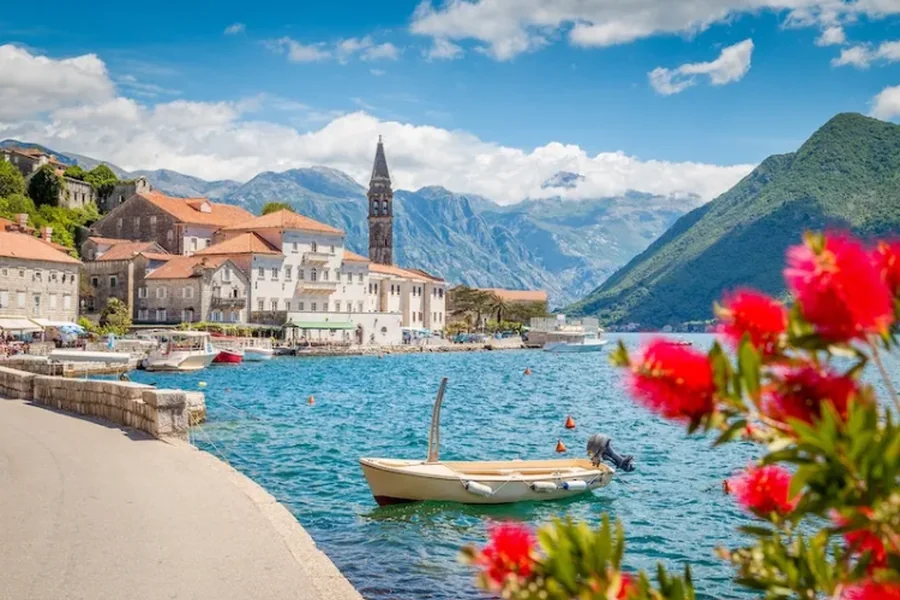
Tucked quietly between better-known giants like Croatia and Greece, Montenegro is the kind of place you stumble upon once—and then wonder how the rest of the world hasn’t caught on yet. With jagged mountains that plunge into sapphire seas, medieval towns clinging to cliffs, and hearty Balkan food that rarely breaks the bank, this little nation delivers way more than its size suggests. Whether you’re staying in a historic coastal villa or one of the locally owned spots like apartments gjenashaj, you’ll find that accommodation often comes with a view—and plenty of charm.
Officially independent since 2006, Montenegro (which means “Black Mountain”) may have fewer than a million residents, but it makes a big impression. Lord Byron once famously described its coastline as “the most beautiful encounter between land and sea.” And you know what? He wasn’t exaggerating.
Best Time to Visit: Sun, Scenery, and Smart Timing
Montenegro is a year-round destination if you know where to go. The coast enjoys a classic Mediterranean climate, while the interior leans toward Alpine chill—think beaches vs. ski slopes.
If you want the sweet spot, visit between April and September. June is ideal: the sun is out, the beaches are warm, and the crowds haven’t taken over. September is equally delightful, with warm seas and shoulder-season prices. October brings autumn colors in the national parks—a bonus for hikers. Avoid July and August if you’re crowd-averse or on a tight budget; prices can double during peak summer. In winter, inland temps can plummet to -15°C or even -20°C, though the coast stays relatively mild.
Budget Snapshot: Balkan Charm on a Middle-Class Wallet
Montenegro isn’t ultra-cheap, especially when compared to nearby Bosnia or Serbia, but it’s still a bargain by Western European standards. A comfortable mid-range day runs about €104 per person. A week for two? Around €1,458, including food, lodging, and transport.
Cheap eats abound. Grab a flaky burek and a tub of yogurt for breakfast—just €2–3 total. A filling sarma (stuffed cabbage rolls) dish will set you back €2.50 to €4. Thirsty? Local Niksicko beer costs just €1.20. Public transport is also affordable: a bus from Budva to Kotor runs about €3, and the scenic Podgorica–Virpazar train is just €1.80.
Getting Around: Trains, Buses, and a Tip from Locals
Trains are your cheapest bet for longer routes—Bar to Bijelo Polje takes 3.5 hours and costs €7–11. But buses are far more common, connecting virtually every town, village, and beach. Just note: not all have A/C, and tourist routes (like Kotor to Budva) are sometimes overpriced.
If flexibility is key, rent a car. It’s the best way to see Montenegro’s hidden spots—especially in the mountains. Bonus tip: flying into Dubrovnik, Croatia, and crossing the border by car or shuttle can be both cheaper and easier than flying directly into Montenegro.
Regional Highlights: Coastlines, Peaks, and Cultural Gems
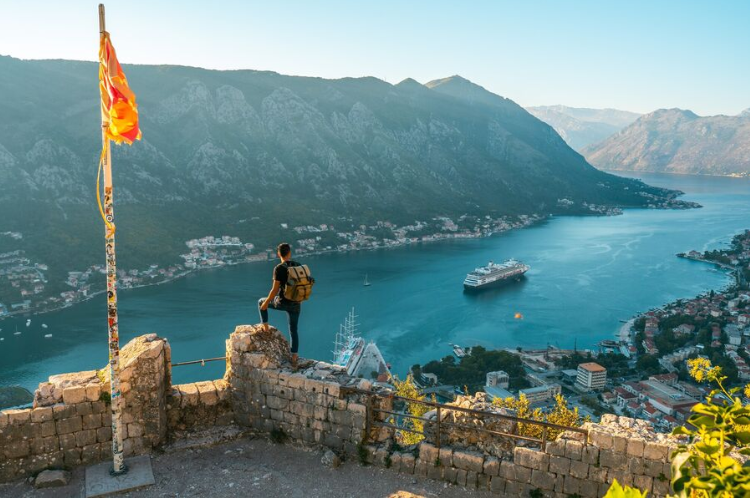
The Bay of Kotor is a jaw-dropper: a UNESCO site where Venetian architecture meets fjord-like cliffs. Kotor itself is a maze of medieval streets and hidden churches. Perast is like a postcard come to life, with baroque palaces and quiet stone quays. Tivat and Herceg Novi round out the bay with marinas, festivals, and sunny charm.
The Budva Riviera is Montenegro’s playground. Budva’s Old Town offers history and nightlife in equal measure, while Sveti Stefan—an island turned luxury resort—is the country’s most photogenic spot. Don’t miss Bečići Beach or the relaxed vibe in Petrovac.
In central Montenegro, the capital Podgorica may not thrill, but nearby Cetinje is full of royal history. Skadar Lake, the Balkans’ largest, is a paradise for birdwatchers, kayakers, and wine lovers.
Northern Montenegro is for adventurers. Durmitor National Park (a UNESCO site) boasts towering peaks, glacial lakes, and the Tara River Canyon—Europe’s deepest. Nearby Žabljak is the gateway to hikes, rafting, and snow sports. For something quieter, explore the ancient woods of Biogradska Gora.
Down south, Ulcinj blends Albanian flair with endless beaches—like Velika Plaža, a 13-km stretch of soft sand. Nearby Ada Bojana is a haven for kitesurfers and seafood fans. In Bar, wander through ancient ruins before heading to the modern marina for dinner.
Get Outdoors: Hike It, Bike It, or Just Take It All In
Montenegro was made for movement. Hikers love the Ladder of Kotor, a historic 6.4 km trail featuring 70+ switchbacks and a 940m climb—start early and avoid the midday heat. Cyclists gravitate toward the Kotor Bay loop or the Durmitor Ring, where mountain views come standard.
The best months for outdoor activities are June through November. And if you’re rafting the Tara River, DIY is cheaper than joining a tour—up to €30 saved per person.
Where to Stay: Budget to Boutique
In Kotor Bay:
- Budget: Montenegro Hostel Kotor
- Mid-range: Hotel Vardar
- Luxury: Hotel Forza Mare
Along the Budva Riviera:
- Budget: Montenegro Hostel Budva
- Mid-range: Hotel Astoria
- Luxury: Splendid Conference & Spa Resort
Near Durmitor National Park:
- Budget: Camp Durmitor
- Mid-range: Hotel Soa
- Luxury: Hotel Zabljak
What to Eat (and Drink!)
Coastal cuisine leans Mediterranean: grilled fish, garlic, olive oil. Inland, it’s more Serbian—think meats and stews.
Local must-tries include:
- Riblja čorba (fish soup)
- Crni rižoto (squid ink risotto)
- Lignje na žaru (grilled squid, sometimes stuffed)
- Jagnjetina ispod sača (lamb cooked under coals)
Pair your meal with a glass of Vranac (red) or Krstač (white). Or try a shot of rakija, the fiery brandy that locals swear by.
Suggested Itineraries: Hit the Highlights or Go Deeper
One Week:
- Day 1–2: Kotor & Perast
- Day 3–4: Budva & Sveti Stefan
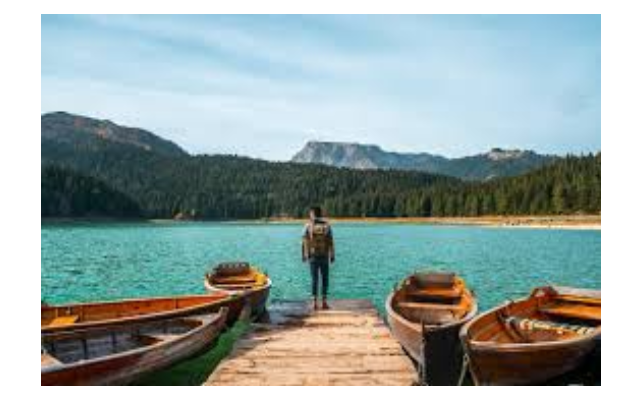
- Day 5–6: Durmitor National Park & Black Lake
- Day 7: Herceg Novi for a coastal wind-down
Two Weeks:
Add Lake Skadar, Cetinje’s royal history, and the southern gems of Ulcinj and Bar.
Before You Go: Language, Local Tips, and Last Words
Montenegrins are friendly, and while many speak English, a few phrases go a long way:
- Hello: Dobar dan
- Thank you: Hvala
- Yes/No: Da / Ne
- My name is…: Zovem se…
- Pleased to meet you: Drago mi je
A few more final tips? Hike early. Avoid July crowds. Burek is always a good idea. And minibuses can sometimes be faster than the big coaches.
Montenegro is small but mighty—a place where you can swim in the morning, hike in the afternoon, and sip rakija under the stars. It’s that kind of magic.

