
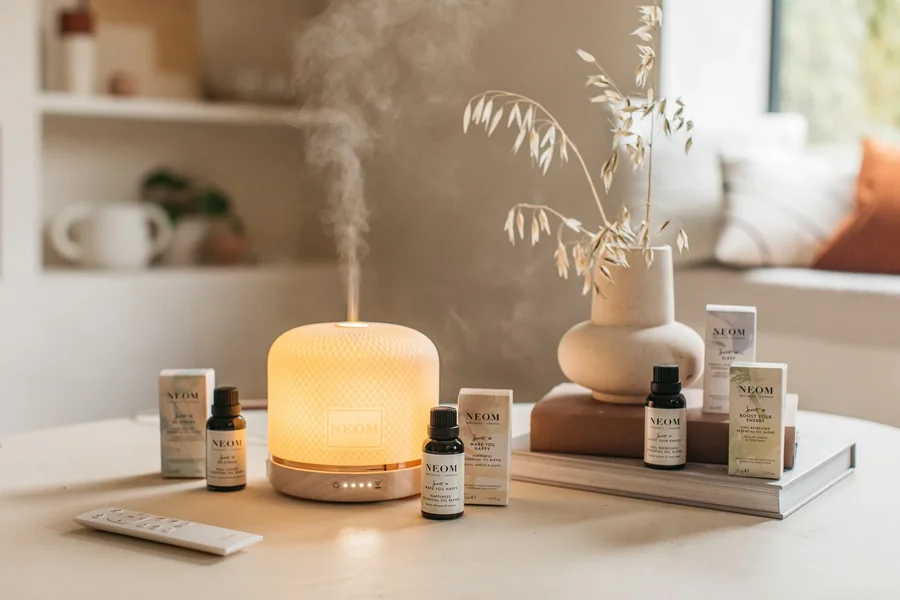
Scent is one of the most powerful yet often overlooked senses. Unlike sight or hearing, smell has a direct connection to the limbic system in the brain, which controls emotions, memory, and behavior. This unique connection is why a whiff of fresh coffee can instantly evoke comfort, or a hint of lavender can calm a racing mind. Harnessing the power of scent in daily life is not only a pleasurable experience but can also support well-being, productivity, and mood. Here’s how simple aromas can be seamlessly integrated into your lifestyle.
The Science Behind Scent
When we inhale a scent, odor molecules travel to the olfactory bulb, a structure in the brain that processes smells. From there, signals are sent to the amygdala and hippocampus, areas associated with emotions and memory. This explains why certain scents can transport us back to a specific moment in time or trigger deep emotional responses. Aromatherapy, the practice of using essential oils for therapeutic purposes, taps into this powerful mechanism. Studies show that aromas like peppermint can boost alertness, eucalyptus can ease congestion, and vanilla or rose can promote relaxation.
Simple Ways to Incorporate Scent Into Daily Life
Aromatherapy Diffusers
Diffusers are a convenient way to fill a room with gentle scents. Essential oils such as lavender, lemon, or sandalwood can be diffused while you work, meditate, or relax at home. For instance, starting your morning with a citrus blend can energize you, while winding down in the evening with lavender can improve sleep quality. Ultrasonic diffusers are especially popular as they use water to disperse a fine mist, making the aroma subtle yet consistent.
Scented Candles
Candles are not just decorative—they are mood creators. Lighting a candle infused with vanilla, cinnamon, or jasmine can instantly change the atmosphere of a room. The flickering flame adds a visual element to the sensory experience, enhancing feelings of comfort and serenity. For those seeking a zero-fuss approach, soy-based candles are a clean-burning option that release aroma gradually without harsh chemicals.
Natural Fragrance in Your Environment
Fresh flowers, herbs, and spices can bring natural scents into your home without the need for artificial products. A vase of peonies on the dining table or a small pot of rosemary on a kitchen counter not only adds a touch of greenery but also infuses your space with subtle fragrances. Even simmering a pot of water with cinnamon sticks, cloves, and citrus peel on the stove can create a cozy, inviting aroma throughout your home.
Personal Fragrance
Perfume and cologne are classic ways to carry scent with you, but it’s worth exploring lighter, more functional alternatives. Essential oil roll-ons or scented body lotions can subtly influence mood and focus. For example, applying a blend of bergamot and lavender on pulse points before a stressful meeting can help induce calmness. Similarly, some people enjoy exploring disposable vape deals that feature pleasant aromatic flavors, offering a convenient, personal way to enjoy fragrance throughout the day. Layering scents in small doses can create a personal aromatic signature that enhances well-being.
Scent and Mindfulness
Incorporating scent into mindfulness or meditation routines can deepen the practice. Light a calming candle or diffuse frankincense or sandalwood as you meditate. Focusing on the aroma encourages presence and can heighten relaxation. Additionally, aromatherapy during yoga or stretching routines can help create an immersive, multisensory experience that enhances both physical and mental benefits.
Practical Tips for Using Scents Effectively
- Start small: Introducing too many scents at once can be overwhelming. Begin with one diffuser or candle in a single room.
- Rotate scents: Changing aromas according to seasons or activities can keep your environment fresh and stimulating.
- Personalize your choices: Experiment with different essential oils and fragrances to find what resonates best with your mood and lifestyle.
- Consider intensity: Subtle scents are often more effective than overpowering ones; the goal is to enhance well-being, not overwhelm the senses.
Conclusion
The power of scent is both ancient and scientifically validated. Simple aromas can influence mood, improve focus, evoke memories, and create a sense of calm or energy in daily life. By thoughtfully integrating scent through diffusers, candles, natural fragrances, personal perfumes, or even convenient options like disposable vape deals, anyone can transform everyday spaces and routines into experiences that nourish the mind and spirit. Beyond aesthetics, aroma is a subtle yet profound tool for cultivating joy, relaxation, and mindfulness. In the end, it’s a reminder that sometimes the simplest pleasures—the smell of fresh flowers, the warmth of vanilla, or the freshness of citrus—can have the most remarkable impact on our lives.

