
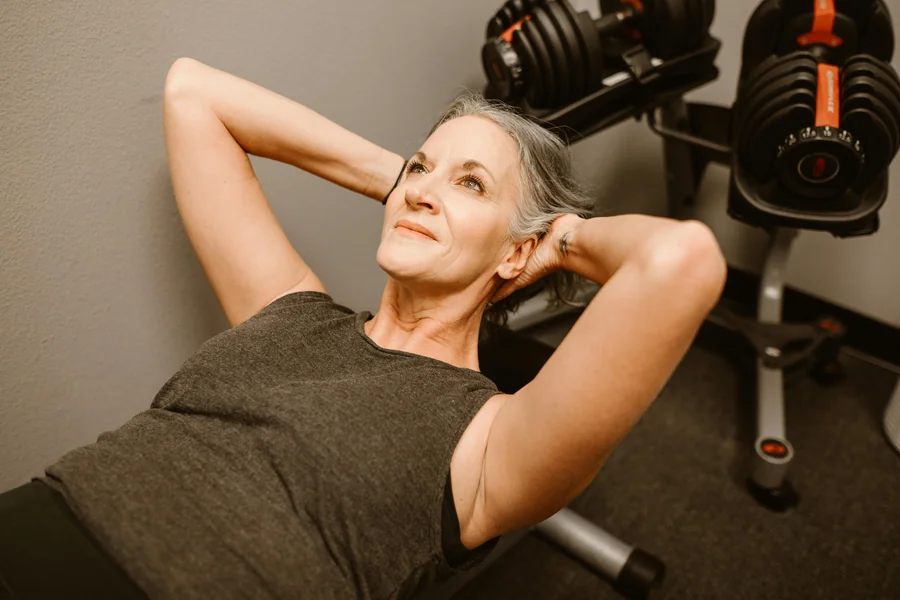
Have you ever caught yourself making noises just to stand up from a chair? Not on purpose—your body just does it. For some, that’s the moment they realize age has quietly moved in and started redecorating. Staying active as the years go by isn’t about pretending we’re still in our 20s; it’s about finding ways to keep our bodies and minds engaged without burning out. In 2025, this conversation is bigger than personal wellness. It’s tied to longer careers, shifting retirement timelines, and even public policy. Many people in their 50s and 60s are still balancing work, caring for parents, and helping with grandchildren, all while trying to keep up with an ever-changing health landscape.
Cities like Atlanta, GA, have become hubs for active lifestyles thanks to walkable neighborhoods, thriving fitness communities, and a constant calendar of events that keep people moving year-round. But whether you live in a bustling urban center or a quiet rural area, the challenge remains: how do you keep your body in motion when time, energy, and maybe your knees have other ideas?
In this blog, we will share practical strategies for staying active as you age, blending real-world tips with an honest look at the trends shaping how we move.
Investing in Your Physical Resilience
Staying active as you age means protecting your ability to move. Strength training helps preserve muscle mass, while balance and flexibility work reduce fall risk. Practices like tai chi, Pilates, and yoga boost strength, coordination, and joint health. Aging people can also benefit from testing their heart health from a heart biomarker program.
For some, persistent fatigue or slower recovery may be linked to hormone changes. If you’re curious about whether your body’s chemistry is affecting your energy and muscle maintenance, look up hormone replacement therapy Atlanta GA to get in touch with a specialist who can evaluate your needs and guide you toward the right treatment, or you can skip the research process and opt for Elite Personalized Medicine. Addressing these changes with professional guidance can make staying active far easier and more enjoyable.
Technology is also helping people stay resilient. Wearable devices can now track movement patterns, balance, and even muscle activation. This means you can adjust workouts in real time for maximum benefit and safety. Combined with the rise of telehealth, access to tailored fitness and health advice is easier than ever before.
Making Movement Social
Exercise doesn’t have to be a solo mission. In fact, it’s often more enjoyable when it’s shared. Joining a local walking group, trying a group fitness class, or meeting friends for regular pickleball games can keep you motivated. Having others rely on you adds accountability, which research shows is one of the strongest drivers for consistency.
Intergenerational activity is also gaining popularity. Families are blending physical activity with quality time—going on hikes, biking, or streaming workout classes together. These shared experiences build both physical strength and emotional connection. Studies show older adults who exercise socially are more likely to stick with it long term.
There’s also the fun factor. When movement feels like a social event rather than a chore, it’s easier to look forward to. And nothing pairs better with a brisk morning walk than coffee and conversation afterward.
Turning Daily Life into a Training Ground
One of the easiest ways to stay active is to view daily life as an opportunity to move. Housework, yard work, and errands all count. Gardening involves squatting, lifting, and stretching. Cooking from scratch means time on your feet and frequent movement. Even taking the stairs or parking farther away adds up.
The goal is at least 150 minutes of moderate-intensity activity each week. That can sound like a lot, but it becomes manageable when broken into smaller chunks. Ten minutes here, fifteen minutes there—it all builds. If you’re working, incorporating movement into your day is key. Walking meetings, stretch breaks, and even under-desk pedal devices can help keep your body engaged during long hours at a desk.
As workplaces adapt to older employees staying in the labor force longer, more are introducing wellness initiatives that blend productivity with activity. This shift benefits everyone, regardless of age.
Adapting to Life’s Shifts
Life changes, and so should your approach to staying active. Injury, illness, or even seasonal weather can require adjustments. If jogging becomes uncomfortable, try swimming or cycling. If winter limits outdoor walks, explore indoor fitness apps or mall walking groups.
Urban planning is also making a difference. More cities are adding well-lit walking paths, public exercise equipment, and safer crossings, making activity more accessible for everyone. These changes help remove barriers to movement, especially for older adults who may feel unsafe or unwelcome in certain spaces.
Motivation is another challenge. The truth is, you won’t feel like exercising every day. That’s normal. The key is focusing on overall consistency rather than perfection. Missing a workout isn’t failure—it’s just a pause. The important thing is to start again the next day.
Why Staying Active Now Shapes the Future
Being active as you age is about more than avoiding aches and pains. It’s about maintaining independence, protecting your mental clarity, and enhancing your quality of life. Physical activity improves bone strength, supports better sleep, boosts metabolism, and reduces the risk of conditions like heart disease, diabetes, and depression.
There’s also a wider community benefit. Active older adults often stay engaged in volunteer work, mentorship, and civic participation. This creates a ripple effect—stronger individuals contribute to stronger communities, which in turn support healthier lifestyles for all generations.
The cultural conversation around aging is changing. Advances in medicine, fitness science, and city planning mean it’s possible to remain active well into your later years. But these opportunities only matter if you take them.
At its core, staying active is a choice. It requires planning, flexibility, and sometimes a sense of humor. Yes, your knees may creak, and yes, you might feel sore in places you didn’t know existed. But every step, stretch, and squat is an investment in the life you want to live. The goal isn’t to erase the years—it’s to move through them with strength, joy, and the freedom to keep saying “yes” to new experiences.
