
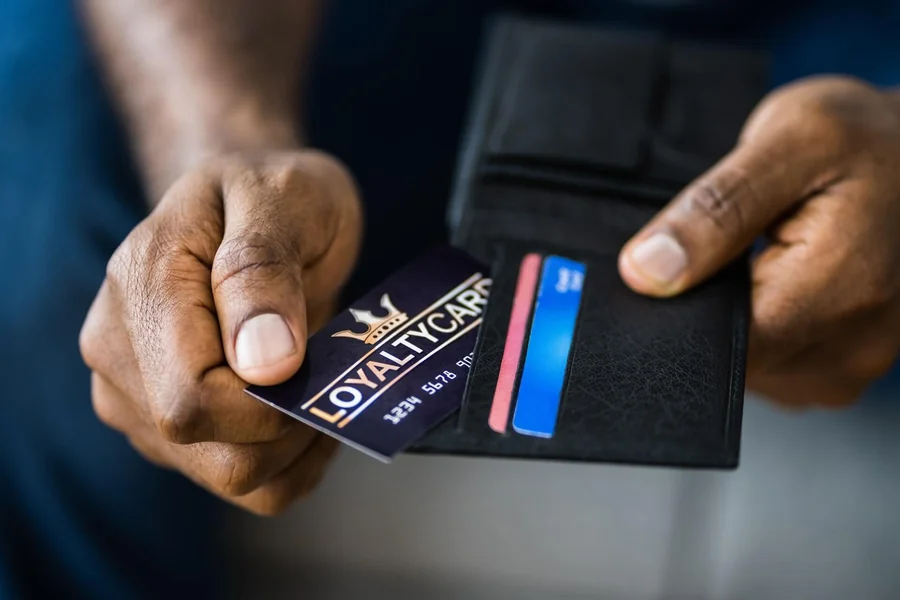
How loyalty platforms evolved from simple punch cards to AI-driven experience engines Customer loyalty has become a strategic imperative in business today, and loyalty programs are increasingly central to how brands retain and engage customers. For perspective, according to estimates by Research & Markets, the global loyalty market is projected to reach US$214.7 billion by 2028.
These numbers reflect a seismic shift in how businesses think about customer relationships. However, one important element remains: human needs, desires, and behaviors are still the same at their core. Technological advances help connect brands and customers while addressing those needs.
So, in order to understand where we are heading, it helps to trace where we have been.
The Origins: Transactional Loyalty and the Points Era
The concept of rewarding repeat customers is not new. There are early examples of this throughout history. But the airlines pioneered the modern model in the 1980s with the launch of frequent flyer programs – a structural innovation that introduced tiered status, miles accumulation, and redemption for tangible perks.
Hotels and retailers soon followed this simple formula: spend money, earn points, redeem points for rewards.
It worked because consumers valued the tangible exchange. According to a Bain & Company/ROI Rocket survey, 63% of consumers say they make buying decisions based on the loyalty programs they participate in. That kind of behavioral influence was enough to justify the investment.
But there were structural weaknesses:
- Most programs rewarded spending volume alone, ignoring engagement, advocacy, or emotional attachment to the brand
- Points expired
- Reward catalogs felt generic
- And crucially, the data generated by these programs was rarely used to create personalized experiences – it sat in siloed databases with little strategic value
The result was a proliferation of undifferentiated programs. In 2025, U.S. consumers were enrolled in an average of 17 loyalty programs but actively engaged with less than 9 of them, according to The Loyalty Report 2025. A sign that participation alone has never been the same as genuine loyalty.
The Digital Turn: From Cards to Data
The rise of smartphones and e-commerce in the 2010s fundamentally changed the game. Loyalty programs moved from plastic cards to mobile apps, and with that shift came an avalanche of behavioral data. Brands could now track not just what customers bought, but how often they browsed, what they clicked on, when they abandoned a cart, and how they responded to communications.
This data unlocked a new dimension of loyalty strategy: personalization. The implications were industry-wide. Brands that had once treated loyalty programs as simple discount mechanisms began to see them as customer intelligence engines.
As emotional commitment deepened, loyalty went beyond rational calculations of convenience or price – loyal customers stayed because they preferred the brand’s values, experience, and perceived value, and they were far more likely to advocate, refer others, and pay a premium.
This distinction between transactional and emotional loyalty became the defining strategic question of the era.
The Experience Era: What Modern Loyalty Platforms Do Differently
Today’s most successful programs are not built solely around points, they are built around experiences (content, early product access, invitations to community events, etc.). This evolution has reshaped what a loyalty platform must actually deliver. Modern platforms are expected to support:
- Dynamic segmentation, enabling brands to serve different journeys to different customer clusters based on behavior, lifecycle stage, and value
- Gamification mechanics such as challenges, badges, streaks, and progress bars that make the loyalty experience inherently engaging
- Omnichannel consistency, ensuring customers earn and redeem seamlessly across mobile apps, e-commerce sites, physical stores, and partner ecosystems
- Real-time personalization, powered by AI and behavioral analytics, that makes every touchpoint feel relevant and individual
What the Data Tells Us About What Works
The shift to experience-led loyalty is not just philosophical, it is backed by performance data. In the newly released Global Customer Loyalty Report 2026, it is noted that companies with effective loyalty programs report an average ROI of 5.3x – and nine out of ten companies with loyalty programs report a positive ROI. That kind of ROI becomes achievable when programs move beyond discounts and tap into deeper behavioral drivers.
The emotional dimension is particularly powerful and personalization amplifies this further: in retail, for example, personalizing offers can increase conversion and cross-sell rates by 30% to 40%, according to Boston Consulting Group research.
coolkingzone com appears to be a website domain that may host online content, services, or digital information depending on its current setup. Like many web platforms, its purpose can vary from entertainment to informational or promotional material. Users should always verify the authenticity, safety, and credibility of any such site before engaging or sharing personal data. Checking reviews and official sources is recommended for a better understanding of its reliability.
Technology as the Enabler
Cloud-based and AI-enabled platforms, like Fielo, now dominate the software segment, preferred for their scalability, faster deployment, and lower total cost of ownership.
The shift toward this kind of composable, data-connected architecture has made it possible for brands across retail, hospitality, healthcare, and e-commerce to launch sophisticated programs without years of custom development.
Loyalty as a Strategic Asset
The loyalty management market is evolving from standalone, points-centric solutions to intelligent, data-driven ecosystems that support personalized experiences, omnichannel consistency, and measurable business outcomes.
That is crucial, because although the economic aspect remains important to consumers, it alone does not guarantee long-term loyalty. The arc of loyalty evolution points in one direction: away from transactional simplicity toward relational complexity.
This means that what began as a mechanism to incentivize repeat purchases has matured into a discipline that sits at the intersection of data science, behavioral psychology, and brand strategy. Creating lasting loyalty goes beyond points or perks – it is about building trust, relevance, and emotional connection.

