
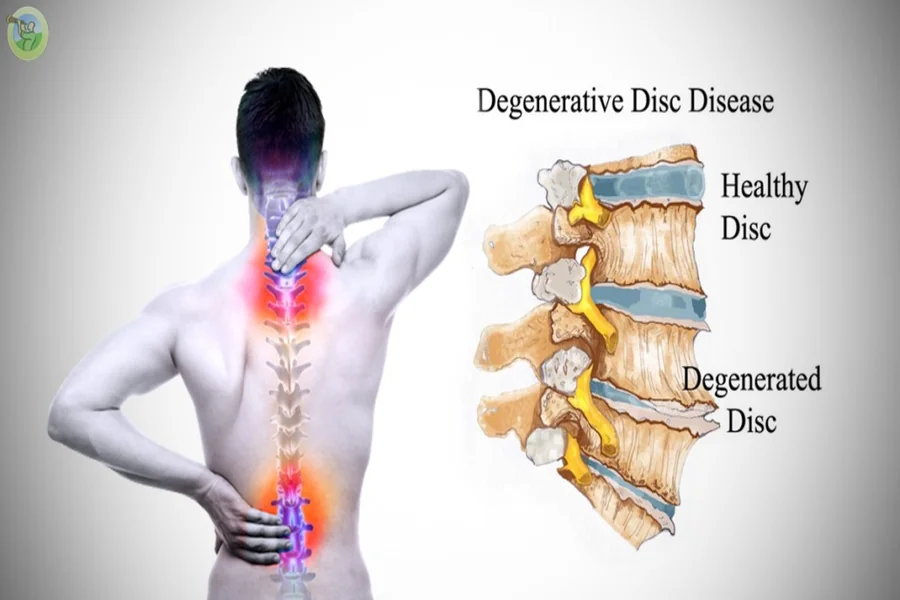
The human spine might look like something straight out of science fiction—a complex tower of 33 vertebrae, countless nerves, and gel-like discs that would make any engineer marvel. Yet this biological masterpiece, despite its alien-like complexity, operates with remarkable intelligence, adapting and responding to both our genetic blueprint and daily choices in ways we’re only beginning to understand.
Spinal disorders and disc issues affect millions worldwide, encompassing conditions like herniated discs (where the soft center pushes through a crack in the tougher exterior), degenerative disc disease (the gradual breakdown of spinal discs), and scoliosis (abnormal sideways curvature of the spine). Recent research has unveiled fascinating connections between our genetic makeup and these conditions, offering new insights into why some people develop spinal problems while others don’t.
This exploration aims to uncover how genetics, lifestyle choices, and modern therapeutic approaches including chiropractic care and genetic testing work together in understanding and managing spinal health. For anyone wondering about their spine’s future or dealing with current issues, understanding these genetic factors opens doors to early intervention and preventive strategies that could make all the difference.
The Genetic Link to Spinal Disorders
How Genetics Influence the Spine
Your genetic code acts like an instruction manual for building and maintaining your spine, but it’s written in a language we’re still decoding. Genes determine fundamental aspects of spinal health including bone density, cartilage strength, and collagen production—the building blocks that keep your spine functioning smoothly.
Think of collagen as the spine’s scaffolding system. Some people inherit genes that produce robust, high-quality collagen, while others may have genetic variations that result in weaker structural support. This explains why certain families see patterns of disc problems across generations. When patients ask, “Is osteoporosis genetic ?” the answer reveals just how deeply our DNA influences skeletal health—research shows that 50-80% of bone density variation comes from genetic factors.
Inherited predispositions manifest in various ways:
- Scoliosis often runs in families, with genetic factors contributing to about 30% of cases
- Degenerative disc disease shows strong familial clustering
- Early-onset arthritis frequently has genetic roots
- Spinal stenosis (narrowing of spaces within the spine) can be hereditary
Common Genetic Markers Studied
Scientists have identified specific genetic markers that influence spinal health, much like finding particular chapters in that instruction manual that affect spine construction. The COL9A2 and COL1A1 genes have emerged as key players in disc degeneration research.
COL9A2 variants affect the production of type IX collagen, crucial for maintaining disc structure. When this gene has certain variations, discs become less elastic and more prone to tears—imagine the difference between a fresh rubber band and one that’s been sitting in the sun for years. Meanwhile, COL1A1 influences type I collagen production, affecting the disc’s ability to handle mechanical stress and repair itself after daily wear and tear.
Other significant genetic markers include:
- ASPN gene: Associated with lumbar disc degeneration
- VDR gene: Influences vitamin D reception and bone metabolism
- MMP genes: Control enzymes that break down disc tissue
- IL-1 genes: Regulate inflammatory responses in spinal tissues
Environmental and Lifestyle Interactions
Beyond DNA – The Epigenetic Factor
Here’s where things get really interesting—your genes aren’t destiny. Epigenetics, the study of how behaviors and environment affect gene expression, shows that lifestyle choices can flip genetic switches on or off like a complex control panel.
Stress acts as a master controller, potentially activating genes that accelerate disc degeneration. Chronic stress floods the body with cortisol, which can weaken bone density and impair the spine’s healing mechanisms. Similarly, smoking doesn’t just damage lungs—it reduces blood flow to spinal discs, essentially starving them of nutrients and oxygen needed for repair.
Poor posture creates mechanical stress that can trigger genetic vulnerabilities. Someone with genetic markers for disc degeneration who maintains excellent posture might never experience problems, while their slouching sibling with identical genes could face early disc issues. Obesity adds another layer, increasing spinal load and potentially activating inflammatory genes that accelerate degeneration.
The interaction between genes and habits creates unique outcomes:
- Physical activity can strengthen expression of bone-building genes
- Proper nutrition supports genes involved in cartilage maintenance
- Adequate sleep allows genetic repair mechanisms to function optimally
- Hydration maintains disc health regardless of genetic predisposition
Where Chiropractic Care Fits In
While chiropractic care can’t rewrite your genetic code, it serves as a powerful tool for managing how those genes express themselves in your daily life. Regular chiropractic adjustments help maintain proper spinal alignment, reducing mechanical stress that might otherwise trigger genetic vulnerabilities.
Many patients seeking help for the question at clinics like Crist Chiropractic discover that while genetics load the gun, lifestyle pulls the trigger. Chiropractic care helps unload that gun by improving spinal mobility, enhancing nervous system function, and promoting better posture—all factors that can minimize the expression of problematic genetic traits.
Chiropractors work to:
- Restore proper joint motion, reducing wear patterns that stress genetically vulnerable discs
- Improve nerve function, enhancing the body’s natural healing responses
- Provide lifestyle guidance tailored to individual genetic risk factors
- Offer exercises that strengthen supporting muscles regardless of genetic predisposition
The Role of Genetic Testing in Spinal Health
What Genetic Testing Reveals
Modern genetic testing has transformed from science fiction to accessible healthcare tool, offering unprecedented insights into spinal health risks. These tests analyze specific genetic markers, providing a probability map of potential spinal issues before symptoms appear.
Testing can reveal predispositions to various conditions including early disc degeneration, increased inflammation response, reduced bone density potential, and impaired collagen production. This information proves invaluable for healthcare providers developing personalized treatment strategies.
The process typically involves:
- Simple saliva or blood sample collection
- Analysis of relevant genetic markers
- Risk assessment report generation
- Consultation to interpret results and develop action plans
Benefits of Early Insights
Armed with genetic information, individuals can craft personalized prevention and treatment plans that account for their unique vulnerabilities. Someone discovering they have markers for reduced bone density might begin strength training and calcium supplementation decades before problems arise.
Proactive strategies become highly targeted:
- Specific exercises to strengthen areas of genetic weakness
- Nutritional plans addressing individual metabolic needs
- Weight management programs considering genetic metabolism factors
- Chiropractic care schedules based on genetic risk levels
Early genetic insights enable healthcare providers to monitor at-risk individuals more closely, catching problems in their earliest, most treatable stages. This precision approach replaces the one-size-fits-all model with truly personalized spine care.
Emerging Research and Future Directions
The frontier of spinal genetics research buzzes with activity as scientists uncover new connections between specific mutations and spinal issues. Recent studies have identified over 100 genetic variants associated with chronic back pain alone, each discovery bringing us closer to understanding the complete picture.
Precision medicine represents the next evolution in spinal care, where treatments are tailored to individual genetic profiles. Imagine walking into a clinic where your treatment plan is designed specifically for your genetic makeup—certain medications, exercises, and therapies chosen because they work best with your particular genetic variations.
The integration of multiple therapeutic approaches shows tremendous promise. Combining genetic testing with chiropractic care, targeted exercise programs, nutritional optimization, and when necessary, medical interventions, creates a comprehensive strategy that addresses both genetic predisposition and environmental factors. Some clinics already use genetic information to customize chiropractic techniques, adjusting force and frequency based on individual tissue characteristics predicted by genetic markers.
Future developments might include:
- Gene therapy to correct problematic variants
- Bioengineered disc replacements matched to genetic profiles
- Predictive algorithms combining genetics with lifestyle data
- Preventive protocols starting in childhood for at-risk individuals
Conclusion
The intricate relationship between genetics and spinal health reveals a fascinating interplay where DNA provides the blueprint, but environment and lifestyle significantly shape the final structure. While genetic factors establish certain predispositions, they represent possibilities rather than certainties—a starting point rather than a fixed destination.
Genetic testing illuminates the path forward, offering clarity about individual risks and opportunities for targeted prevention. Meanwhile, therapeutic approaches like chiropractic care provide practical tools for managing symptoms and optimizing spinal function regardless of genetic heritage. This combination empowers individuals to work with their genetics rather than against them.
The remarkable intelligence of our spinal system—its ability to adapt, compensate, and respond to both genetic programming and environmental inputs—reminds us that we’re dealing with something far more sophisticated than mere mechanical structures. By combining genetic awareness with proactive care strategies, we can take charge of our spinal health, transforming genetic knowledge from a source of worry into a blueprint for action. The future of spine care isn’t about accepting genetic fate—it’s about understanding our unique biological story and writing the best possible ending.
