
Many people have been captivated by how Rocket Boys reveals the history of India’s scientific achievements and the scientists who drove them. The series tells the story of those who helped transform the nation’s scientific sector after its independence, such as Dr. Homi Bhabha and Dr. Vikram Sarabhai. Amid this historical reimagining, a character named Vishwesh Mathur has sparked intrigue. Many viewers have been left wondering — is Vishwesh Mathur from Rocket Boys based on a real scientist, or is he a fictional composite designed to serve narrative needs?
Who is Vishwesh Mathur in Rocket Boys?
In the show, Vishwesh Mathur is depicted as a senior scientist who has significantly influenced India’s nuclear and space programs. His character’s writing affects many government decisions, guiding him in managing the contrast between doing what is right for science and seeking national popularity. The author highlights that Mathur contrasts Bhabha and Sarabhai, seeing India’s science differently.
Authority, political ties, and a focus on bureaucratic tasks link his qualities, just like in real life. Even so, telling facts from fiction requires more knowledge about India’s achievements in scientific research at that time.
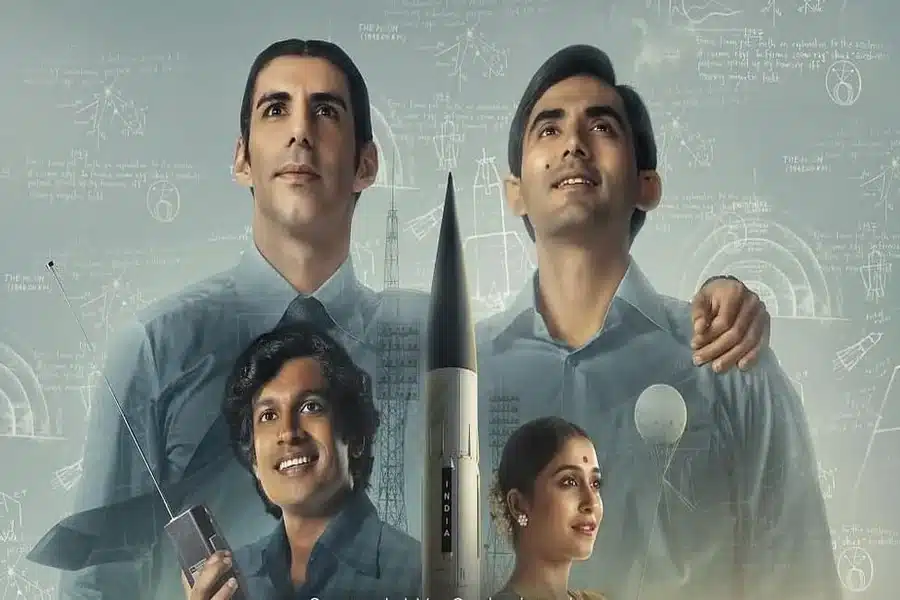
Is Vishwesh Mathur Based on a Real Person?
The short answer is no. Vishwesh Mathur is not directly based on any single real-life scientist. Similar to other historical dramas, he seems to be modeled after various men in the Indian atomic agency who were either leaders or well-known scientists.
It is also possible that Dr. P. K. Iyengar’s contribution to India’s nuclear program influenced the science. Though Dr. Iyengar was part of the late stages of India’s nuclear mission, a few things he did in his career might have influenced Mathur’s personality. K. Subrahmanyam, who advised the government on military affairs during the Cold War, is another source of potential inspiration.
Vishwesh Mathur seems to be a composite character, designed to embody the tensions, ambitions, and conflicts that defined the Indian scientific and political ecosystem of the 1950s and 60s.
The Role of Fictionalization in Rocket Boys
Walking the line between truth and fiction is common for many historical dramas. Rocket Boys retells history using dramatizations, so it is not considered a documentary. Those responsible for the series have modified the story and organized the drama.
By introducing characters like Vishwesh Mathur, the show gains narrative flexibility. Mathur is responsible for starting situations in which Sarabhai and Bhabha are forced to face qualms and tense plots around nationalism, science and state management.
Pythagoras and Archimedes’ characters fill gaps from the past, showcase a wide variety of viewpoints, and keep the drama lively, although the writers do not limit themselves to recorded history.
Comparing Vishwesh Mathur to Real Historical Counterparts
While Dr. Homi Bhabha and Dr. Vikram Sarabhai have direct biographical representation in the series, Vishwesh Mathur remains enigmatic. He is reminiscent of how the Indian Administrative Services (IAS) and top leaders of the Atomic Energy Commission shaped the first phase of India’s scientific development.
Mathemat’s rebukes against politicians, criticism of science, and defense of official strategies likely show how bureaucrats often confronted scientists on similar matters.
Interestingly, prominent figures in India’s nuclear program inspired Mathur, and their various experiences helped shape his character.
Vishwesh Mathur’s Function in the Narrative
Vishwesh Mathur is strategically placed in the storyline to serve three critical functions:
Networking Societies—In doing so, he pushes the scientists to respond to how government officials view their activities in terms of available resources.
Balance of Ideas – Unlike the idealistic Sarabhai and Bhabha, he holds to a state-centric view of science. Setting Priorities – He decides on funding, changes roles for workers and shapes the main agenda to direct the series toward problems and their decisive outcomes. Including Mathur is necessary to illustrate how politics and science tightly connect in an independent nation.
Also Read: Blood and Water S4 Review – Out of Steam or Still Thrilling?
Artistic License and Audience Engagement

Including a fictional but realistic character like Vishwesh Mathur is also a creative strategy. Rocket Boys mixes fact with fiction, inspiring viewers to learn more about the actual events in the drama.
For those unfamiliar with the detailed history of science in India, Mathur makes it easier to explore India’s scientific field in the years after colonial rule.
Why Viewers Assume He’s Real
Because the set, script and story are so realistic, the series often feels real. Since Mathur describes real people such as Nehru, Gandhi and scientists, it often becomes hard to tell what is actually from history.
The writer uses this confusion to help the audience examine and appreciate India’s history in science.
Vishwesh Mathur is not a real historical figure but a powerfully constructed character. Who adds depth, drama, and ideological contrast to Rocket Boys. Because of him, we see the governmental, political, and ethical sides of India’s development in science. Very much a reflection of Indian society at the time. He leaves a strong impression because he is the only fictional highlight in the otherwise realistic show. Rocket Boys is great because it provides information, captures viewers’ interest and entertains. As characters like Mathur highlight interesting historical facts.