
A good solar generator is not defined by one headline number. It earns the label through a set of features that work together: the hardware that converts and protects power, the details that make it pleasant to live with, and the support that keeps it running years later. Buyers who compare only capacity often end up with a unit that is awkward to move, noisy to use, or impossible to repair. This article breaks the must-haves into three tiers and explains what each one actually does, so you can tell the difference between a feature that matters and a line on a marketing sheet. The filter matters more than the list.
Hardware Must-Haves
Pure sine wave inverter
The inverter is the first hardware must-have. Pure sine wave output matches the smooth curve of grid power, which keeps motors cool and prevents sensitive electronics from buzzing, overheating, or resetting. Modified sine wave units are cheaper, but the savings show up later as noise and wear. Anyone comparing a solar generator to a whole house generator natural gas should note that the solar unit needs no fuel line or venting, so the inverter is doing all the work of turning stored energy into usable household power. That makes the quality of the waveform a core feature, not a luxury. A clean waveform is the difference between a motor that hums and one that complains.
BMS battery management system
The battery management system is the second. It watches cell voltage, current, and temperature, balances the cells, and disconnects the pack before overcharge or deep discharge can cause damage. A good system also reports state of charge honestly, so the percentage on the screen means something. Without a capable BMS, a large pack can drift out of balance within a few hundred cycles and lose capacity long before its cells are worn out. When you read a feature list, look for a named, active management system rather than a vague promise of protection. A pack that reports its own health is easier to trust and easier to maintain. That transparency is worth more than a longer feature list.
Experience Extras
Handles, wheels, and quiet operation
Experience features decide whether you actually use the unit. Handles that fit a hand, wheels that roll on a driveway, and a weight you can lift without help matter more than a slightly larger battery. Quiet operation is part of the same tier: a unit that hums softly can sit in a living room, while a loud one gets exiled to the garage. Check the weight and dimensions against the route you will actually carry it, including stairs and doorways. A generator you avoid moving is a generator that stays in the box. A telescoping handle and wide wheels turn a heavy box into something one person can move. Test the route before the outage does.
App-based smart monitoring
Smart monitoring is a convenience that becomes a habit. An app that shows charge level, input and output, and error history lets you spot a problem before an outage. Remote alerts are useful when the unit sits in a cabin or a garage, and scheduling can shift charging to cheaper hours. The feature is not essential, but it changes how you use the product: instead of checking a screen once a month, you get a warning when something drifts. Look for a stable connection and a clear interface rather than a long list of gimmicks. A simple dashboard beats a feature-packed app that crashes when the signal is weak. Reliability is the feature.
After-Sales Support
Warranty length of two to five years
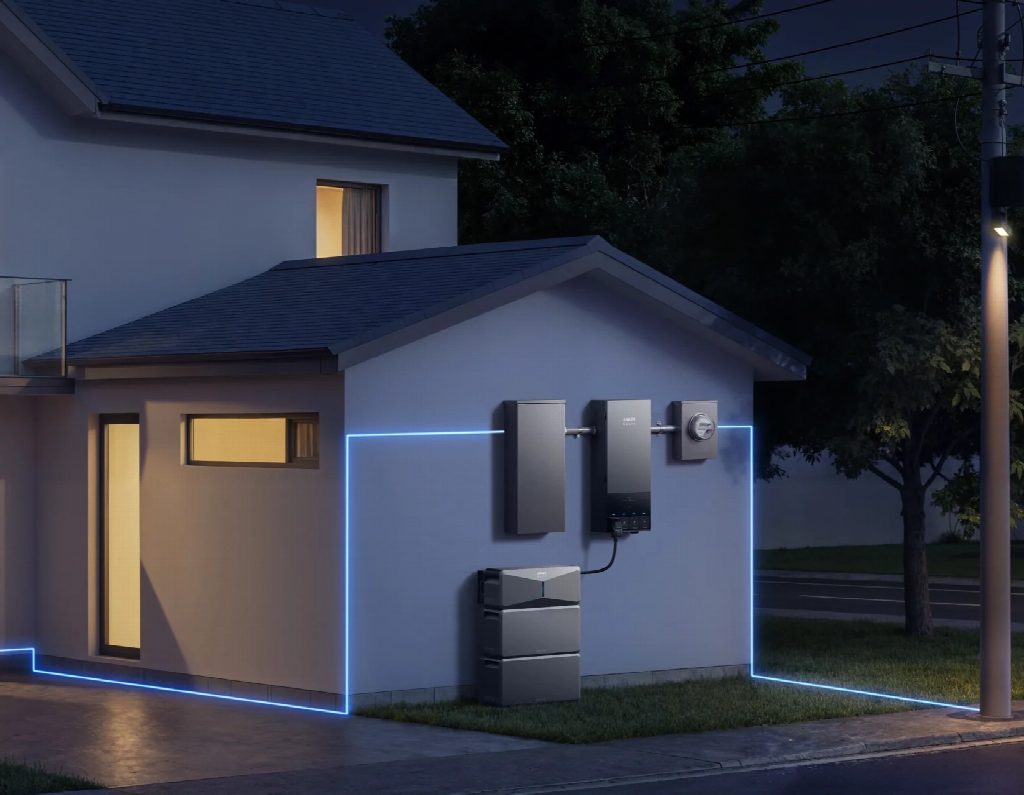
Support starts with the warranty. Two years is the floor for a serious unit; five years is a sign that the maker expects the product to last. Read what the warranty covers, who pays shipping, and whether the battery is included, because those details decide whether a claim is worth making. The Anker SOLIX E10 Whole-Home Backup backs its NEMA Type 4 (IP66) build with a five-year warranty, so the protection extends to the parts that are expensive to replace. A long warranty is not a substitute for quality, but it is a useful signal. Read the exclusions before you rely on the number on the box. The details decide what a claim is actually worth.
Local repair points and spare parts
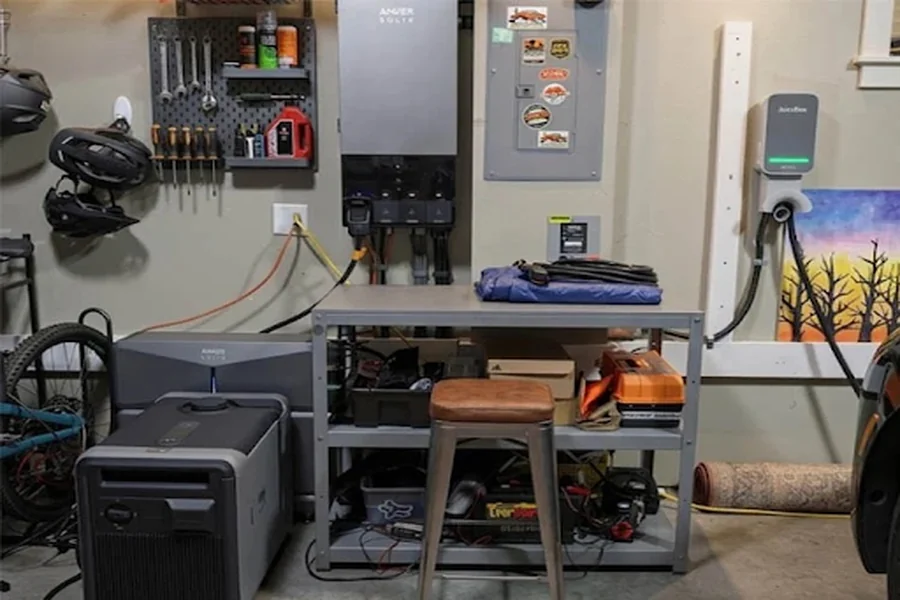
Repair access matters as much as the warranty itself. A local service point, a stocked spare-parts list, and a real person on the phone shorten the time a unit spends out of service. Ask whether consumables such as fuses and cables are available, and whether the battery can be replaced without shipping the whole unit. A product with no service path becomes disposable the first time something fails. Before you buy, check that the brand sells in your region and that the support channel is reachable, not just advertised. A brand that answers the phone in a week is worth more than one that answers in a month. Ask before you buy. That question separates a tool from a gamble.
Conclusion
Hardware, experience, and support are the three tiers of must-haves, and a good unit satisfies all three. The inverter and BMS protect the power path, the handles and app make the product livable, and the warranty and repair network keep it useful for years. Features that touch all three tiers are worth paying for; features that touch only one are usually marketing. Read a spec sheet with that filter, and the choice becomes much clearer. A unit that satisfies all three tiers is rare, but it is the one worth owning. Everything else is a compromise you can see coming. Spend where the tiers overlap, and skip the features that only look good on paper.

