
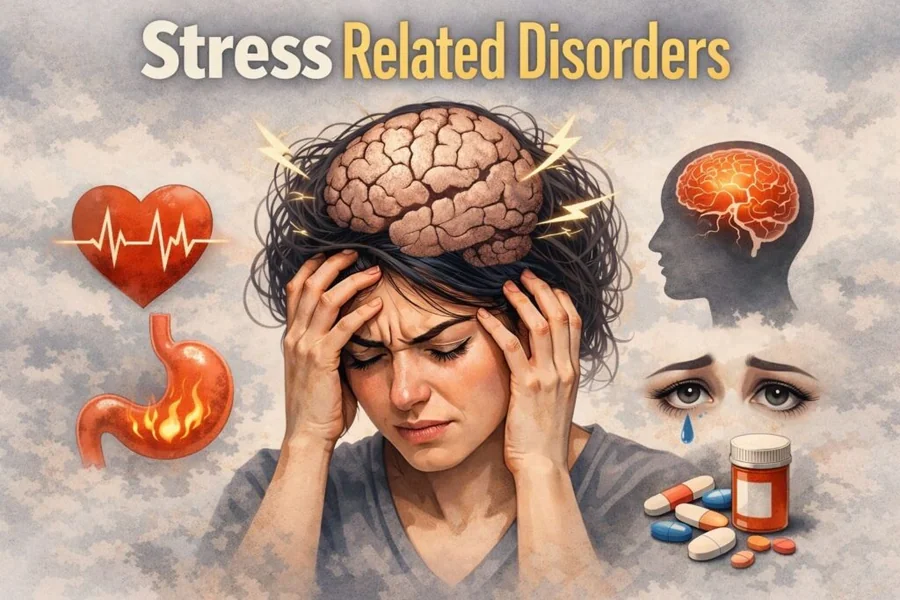
In today’s fast-moving world, emotional burnout is becoming increasingly common, yet it often goes unnoticed until it begins to affect daily functioning. Many people continue pushing through stress without realizing how deeply it can impact mental and physical wellbeing over time.
Unlike sudden health issues, emotional burnout develops gradually. It can stem from ongoing pressure, lack of rest, unresolved stress, or difficulty managing emotional demands in work and personal life.
Understanding Emotional Burnout Beyond Stress
Burnout is more than feeling tired. It is a state of emotional and mental exhaustion that builds over time. People experiencing burnout may notice:
- Constant fatigue even after rest
- Difficulty focusing or staying motivated
- Increased irritability or emotional sensitivity
- Feeling detached or unproductive
- Reduced sense of personal accomplishment
These symptoms often develop slowly, making them easy to overlook in the beginning.
How Emotional Strain Affects Mental Health
When stress becomes ongoing, it can begin to affect emotional regulation and decision-making. Over time, individuals may find it harder to manage everyday responsibilities or maintain healthy routines.
Without proper support, emotional burnout can also contribute to more serious mental health challenges such as anxiety or depression. This is why early recognition is important.
The Importance of Structured Emotional Support
Support systems play a key role in helping individuals recover from emotional exhaustion. Professional guidance provides tools to better understand stress patterns and develop healthier coping strategies.
Access to clinical mental health care support helps individuals explore underlying emotional challenges in a structured way. This type of support focuses on building awareness, emotional stability, and long-term resilience.
Behavioral Support and Long-Term Recovery from Burnout
Addressing emotional burnout often requires more than rest. It involves learning new behavioral patterns and responses to stress.
Programs that offer behavioral health treatment services help individuals develop practical skills such as emotional regulation, stress management, and healthier communication habits. These tools can significantly improve long-term wellbeing and prevent recurrence of burnout.
Rebuilding Balance Through Daily Habits
Recovery from emotional burnout is a gradual process. Small, consistent changes in daily life can help restore balance over time.
Helpful habits include:
- Creating a structured daily routine
- Taking intentional breaks during the day
- Engaging in physical movement or exercise
- Limiting unnecessary stress exposure
- Prioritizing rest and recovery time
These practices support emotional recovery and help rebuild mental energy.
The Role of Awareness and Early Intervention
One of the biggest challenges with emotional burnout is recognition. Many individuals do not realize the severity of their stress until it begins affecting their health or productivity.
Raising awareness about emotional wellbeing encourages earlier action, which can prevent long-term consequences and improve overall quality of life.
Conclusion
Emotional burnout is a growing concern in modern life, but it is also manageable with the right awareness and support. By recognizing early signs and accessing clinical mental health care support, individuals can take meaningful steps toward recovery.
With continued behavioral health treatment services and healthier daily habits, it becomes possible to restore balance, improve resilience, and maintain long-term emotional wellbeing.
