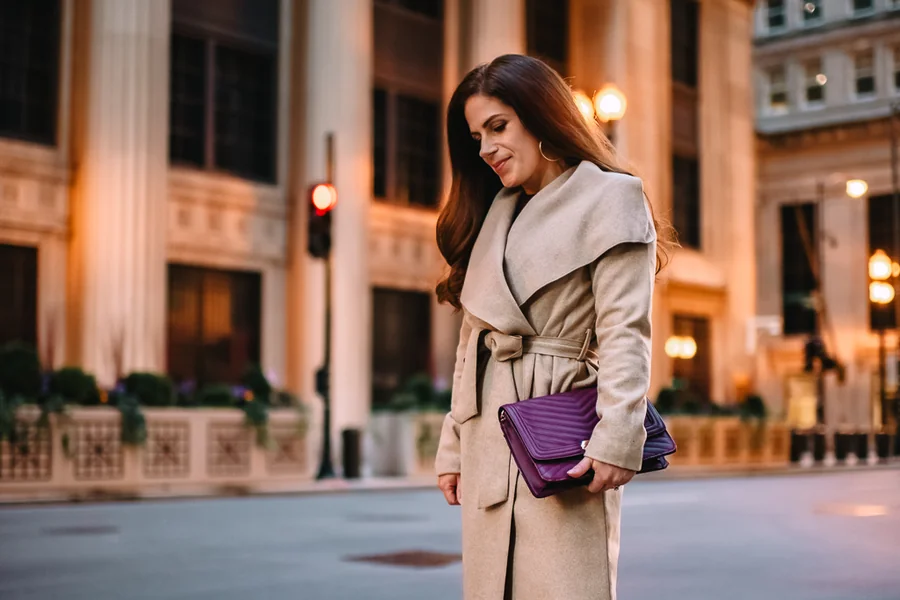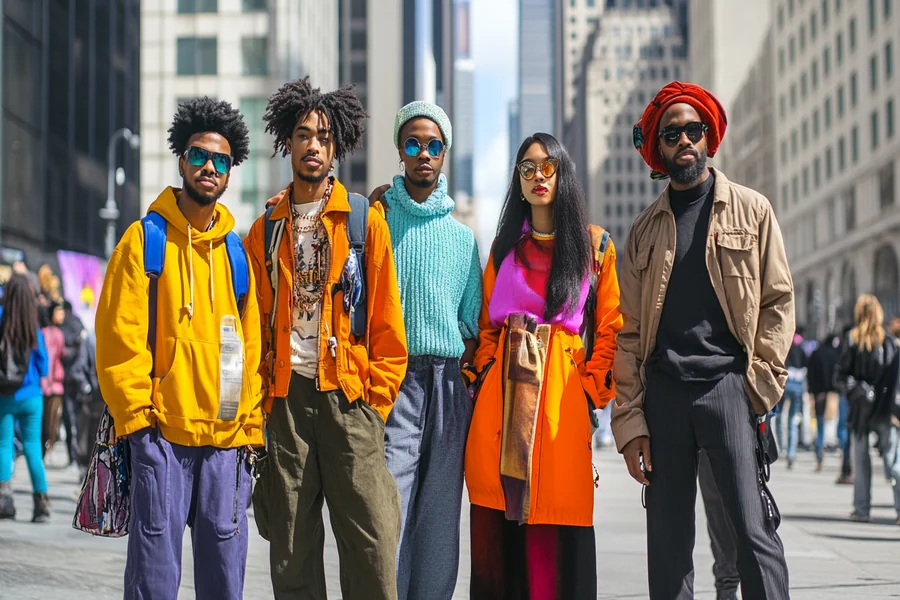
In a world shaped by constant digital interaction, personal style has taken on new meaning. Clothing is no longer just about function or trend cycles — it has become a daily form of communication. What people choose to wear often reflects how they see themselves, how they want to be perceived, and how comfortable they feel navigating different environments.
This shift has been driven by cultural change, online communities, and a growing emphasis on individuality over conformity.
From Trends to Personal Choice
Traditional fashion trends once dictated what was considered stylish or acceptable. Today, those boundaries are far more flexible. Social media, blogs, and independent platforms have given people exposure to a wide range of aesthetics and perspectives, allowing style to feel personal rather than prescriptive.
Instead of dressing to meet expectations, many people now dress to feel aligned with their identity and mood. This shift has made fashion less about approval and more about self-understanding.
The Psychology of What We Wear
Research has long suggested that clothing can influence mindset and behavior. When people feel comfortable and confident in what they’re wearing, it often translates into improved self-assurance and focus. On the other hand, clothing that feels restrictive or inauthentic can increase self-consciousness.
Personal style, then, becomes more than appearance — it’s a practical tool for emotional well-being. Choosing clothing that feels right can subtly shape how people move through their day.
Comfort as a Cultural Priority
One of the clearest signals of change in modern fashion is the emphasis on comfort. As work environments evolve and lifestyles become more fluid, people are less willing to sacrifice comfort for appearance.
This shift has encouraged designs that prioritize ease, adaptability, and versatility. Comfortable clothing allows people to focus on experiences rather than distractions, reinforcing the idea that style should support daily life, not complicate it.
Dressing Beyond Labels
Another defining feature of modern style is the move away from rigid categories. Many people now approach clothing without strict labels, choosing pieces based on how they feel rather than how they’re marketed.
This approach opens space for creativity and experimentation. Fashion becomes less about fitting into a predefined box and more about expressing individuality. Brands that reflect this mindset — such as FemboyBox, which focuses on expressive, comfort-driven fashion — highlight how consumer expectations are evolving alongside cultural values.
The Role of Community and Visibility
Visibility plays a major role in how personal style develops. Seeing others express themselves authentically encourages confidence and exploration. Online communities provide spaces where people can share ideas, support one another, and normalize diverse approaches to fashion.
This sense of shared experience reduces pressure and helps individuals feel less isolated in their choices. Style becomes a collective conversation rather than a competitive standard.
A Reflection of Cultural Change
Ultimately, the evolution of personal style mirrors broader cultural shifts toward individuality, inclusion, and self-acceptance. Fashion is no longer just about what’s new — it’s about what feels meaningful.
As people continue to prioritize comfort, authenticity, and personal expression, clothing will remain an accessible and powerful way to reflect who they are.
Final Thoughts
Personal style has become a quiet but influential form of self-expression in modern life. Through thoughtful choices, people use fashion to communicate confidence, explore identity, and feel more at ease in their everyday routines.
In a culture that increasingly values individuality, what we wear says less about trends — and more about ourselves.