
Most riders feel the sting of fuel prices straight away. You stop, fill up, pay, and ride off lighter in the pocket. Tyres, on the other hand, work so hard to keep you on the road. When the tread is worn out, or the rubber is not suited to your riding style, the bike starts demanding more than it should. Fuel use shoots up, and handling loses its sharpness.
Wear spreads to parts that should have years left in them. Anyone looking for quality motorcycle tyres in NZ soon realises the choice is not just about grip or brand names. The right tyres influence how smoothly the bike runs and how much it costs to keep it that way.
How Your Tyres Control Feel And Confidence On The Road
Tyres are the single point of contact between your bike and the road. That small patch of rubber handles acceleration, braking, balance, and feedback. When tyres are in poor condition, everything else has to work harder to compensate.
Increased rolling resistance is one of the first hidden costs. The engine needs more effort to maintain speed, which leads to higher fuel use. Grip also suffers, especially in cooler or wet conditions, forcing cautious riding that takes the edge off performance. Over time, vibration and instability can place added strain on suspension and steering components, pushing maintenance costs higher than expected.
Common Tyre Mistakes That Could Cost You
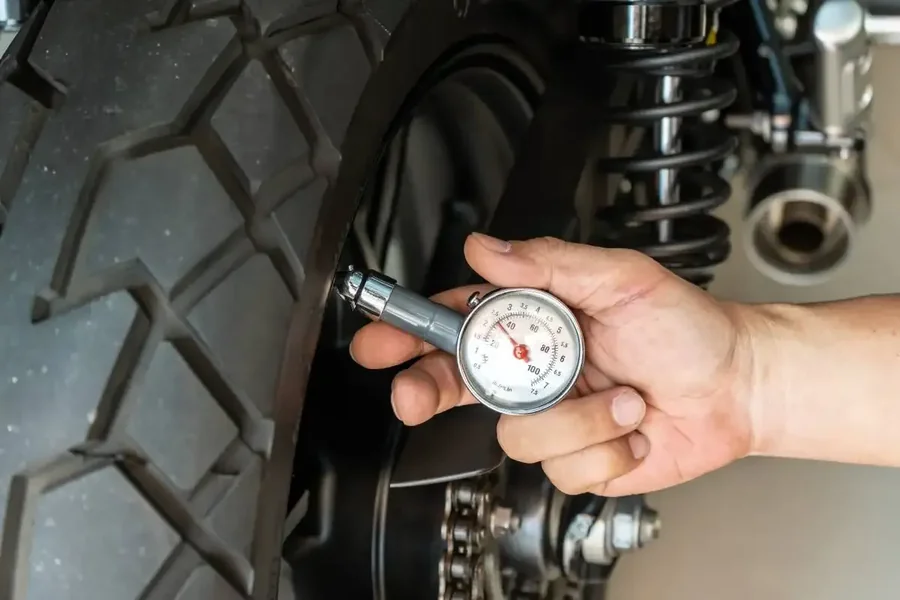
Tyres rarely fail overnight. The real damage happens gradually, through small lapses that seem harmless at the time. Incorrect tyre pressure is the most common culprit. Running too low increases heat and friction, accelerating wear and raising the risk of structural failure. Too high, and the tyre loses its ability to flex properly, reducing grip and comfort.
Skipping regular inspections compounds the issue. Uneven wear, slow leaks, and early signs of cracking often go unnoticed until replacement becomes unavoidable. When alignment or balance issues are ignored, tyres wear faster, and handling becomes unpredictable, turning a minor adjustment into an expensive fix.
Why Investing in Quality Tyres Makes Sense
It is tempting to choose the lowest-priced option, particularly when tyres look similar on the rack. The difference usually shows itself on the road. Budget tyres often use harder compounds that sacrifice grip and adaptability. They may wear unevenly or lose performance quickly under load.
Higher-quality tyres are engineered with specific riding conditions in mind. They manage heat better, maintain consistent contact with the road, and deliver predictable handling across a wider range of situations. Fewer replacements, steadier fuel use, and greater confidence all contribute to lower costs over the life of the tyre.
Choosing the Right Tyres for Your Bike and Lifestyle
No two riders use their bikes in exactly the same way. Daily commuters value durability and efficiency, while weekend riders may prioritise cornering feel and responsiveness. Those who ride through changing seasons benefit from compounds that stay flexible as temperatures drop.
Warning signs that tyres are past their best include shallow tread, visible cracking, unusual noise, or a vague feeling through the bars. Any change in how the bike responds is worth paying attention to. A professional check can confirm whether replacement is needed and ensure the next set suits both the bike and the rider.
Simple Habits That Protect Performance And Budget
Looking after tyres does not require complex routines. Regular pressure checks take minutes and make an immediate difference. A quick visual inspection before longer rides helps catch issues early, when they are still easy to fix.
Choosing a reliable supplier also matters. Experienced retailers understand manufacturer specifications and riding demands, guiding you toward tyres that balance safety, longevity, and performance. That advice often prevents costly mistakes and improves overall ride quality.
Final Thoughts
Fuel prices will always fluctuate, but the cost of neglecting tyres stays stubbornly consistent. Reduced efficiency, faster wear, and compromised safety all take their toll over time.
By choosing the right tyres, maintaining them properly, and replacing them before problems escalate, riders protect both their bikes and their budgets.

