
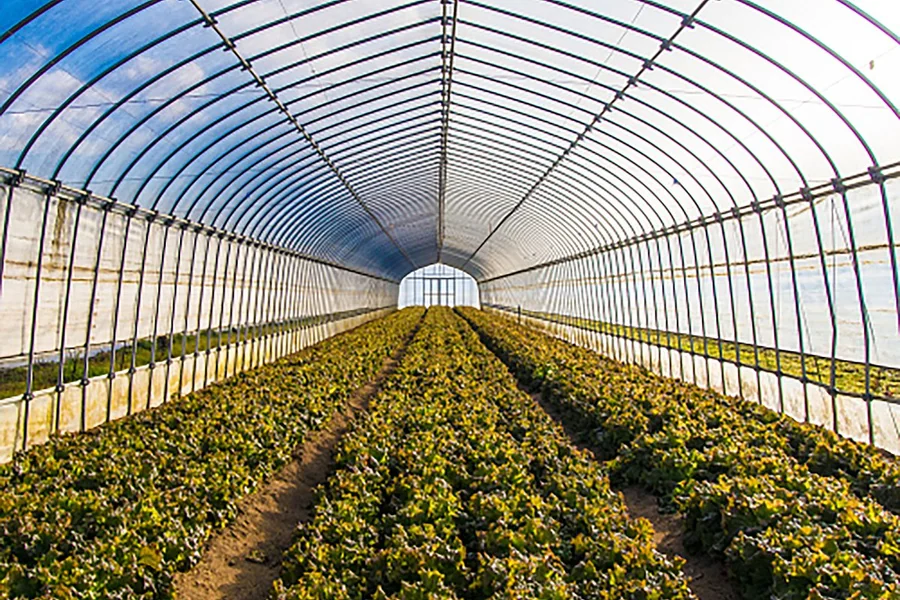
A hobby greenhouse can seem optional, yet the return often shows up faster than expected. Fresh produce supports better fiber intake, steadier blood sugar, and more consistent meal planning. That health angle pairs with simple household economics: fewer tossed greens, fewer repeat purchases, and less stress from weather surprises. With a basic plan, a small structure can turn scattered garden spending into a trackable line item with clear, repeatable wins.
Many families first notice payback after tallying spring receipts. Some compare options by browsing a prefab greenhouse for sale once seedling costs start climbing. Herbs, salad greens, and flowering starts often carry premium pricing for short-term convenience. A sheltered space also reduces losses from cold nights, wind, and heavy rain, which cuts replacement buys and extra trips during busy weeks.
How Payback Often Appears
Payback rarely arrives as one dramatic moment. It tends to show up as small savings that can be recorded without effort. Fewer store runs matter, yet reduced plant loss often matters more. A protected area also improves timing since starts can be ready earlier and keep producing later. Many households keep a simple log with three lines: purchases skipped, food harvested, and supplies avoided.
Reason 1: Fewer Seedling Purchases
Starter plants drain budgets in small, easy-to-miss amounts. Tomatoes, peppers, greens, and herbs are common repeat buys each spring. A greenhouse supports seed trays, so the same variety can be started in batches without retail markups. When germination fails, a replacement flat can be grown at home instead of bought again. Over one season, dozens of small transactions can disappear.
Reason 2: Longer Harvest Window
Season length drives value. Earlier planting reduces the rush to buy produce while beds catch up outdoors. Later in the year, protected greens can keep going after cold nights slow open-air plots. That extra time increases meals built from the same seed packets and soil. Many people also find fewer last-minute grocery add-ons, since herbs and salad staples stay available for more weeks.
Reason 3: Less Plant Loss From Weather Swings
Sudden shifts in temperature and precipitation can erase weeks of work. Hail shreds leaves, wind snaps stems, and cold nights injure tender tissues. A greenhouse buffers those hits, so plants spend less energy repairing damage and more energy forming roots and foliage. Fewer losses also mean fewer replacements. That savings includes pots, compost, fertilizer, and tools bought again after a setback.
Reason 4: Better Use of Soil and Amendments
Soil inputs can be a hidden cost. Compost, potting mix, and balanced fertilizer get expensive when they wash out or break down quickly. A covered space reduces nutrient loss from heavy storms and helps maintain even moisture. With steadier conditions, soil structure holds longer and amendments stretch further. Over time, the same materials can yield more edible weight per dollar spent.
Reason 5: Lower Waste From Store Produce
Food waste is both a financial and nutritional loss. Store-bought herbs and greens often wilt before a household finishes them. A greenhouse supports harvest-as-needed cooking, which keeps flavor and texture intact. That pattern also helps meals rely more on fresh ingredients and less on packaged sides. When a family tracks discarded produce for one month, the avoided waste can be eye-opening.
Reason 6: Fewer Pest and Disease Setbacks
Controlled environments reduce exposure to common problems. Good airflow, clean trays, and spacing lower mildew pressure and limit soil splash that spreads disease. Screens can also reduce insect damage that ruins young plants. Fewer emergencies mean fewer discarded starts and fewer mid-season restarts. Even modest prevention reduces spending on sprays, replacement plants, and impulse “fixes” purchased after a disappointing week.
Reason 7: More Reliable Results, Less Trial Spending
Many gardeners spend money chasing solutions after a rough season. New varieties, extra gadgets, and repeated supplies can pile up fast. A greenhouse improves consistency by stabilizing temperature, humidity, and watering habits. With steadier outcomes, planning becomes simpler and experiments become purposeful. That change reduces wasted spending on repeated attempts. Over two seasons, reliable harvests often cost less than constant do-overs.
A Simple Payback Check
A practical estimate can stay simple. Add three monthly numbers: the produce purchases that could be grown, the seedling spending, and the replacement costs after weather damage. Compare that sum with the build price and yearly supplies. Many households see break-even sooner than expected because the biggest gains repeat across seasons. Tracking for eight weeks is often enough to show a clear direction without overthinking the details.
Conclusion
A hobby greenhouse can repay its cost through many small, measurable changes. Homegrown starts reduce seedling spending, while a longer season increases harvest volume from the same soil. Weather protection lowers replacement buys, and better moisture control helps keep nutrients available to roots. Less spoiled produce means fewer wasted calories and dollars. With simple tracking, households can see the return building week by week, then keep it compounding.

