
Electric power systems form the backbone of both residential and industrial operations. Their stability relies on protective mechanisms that prevent damage when faults occur, ensuring continuity and safety.
Modern grids and facilities cannot function efficiently without such safeguards, as even minor issues can cause costly disruptions. At the core of this protection lies the role of a breaker in electrical systems, a device that shields equipment, reduces hazards, and secures reliable power distribution.
Gaining a clear understanding of breakers offers both technical awareness and practical insight for deploying effective solutions. Keep reading and learn the essentials of breakers and why they remain indispensable in today’s energy infrastructure.
Things You Should Know About Breakers
Breakers are essential components of electrical systems, designed to protect both equipment and people from potential damage caused by electrical faults. Understanding their functions, types, and importance is key to ensuring safety and efficiency in any electrical setup. Below are the crucial aspects you should know about breakers.
What Breakers Do
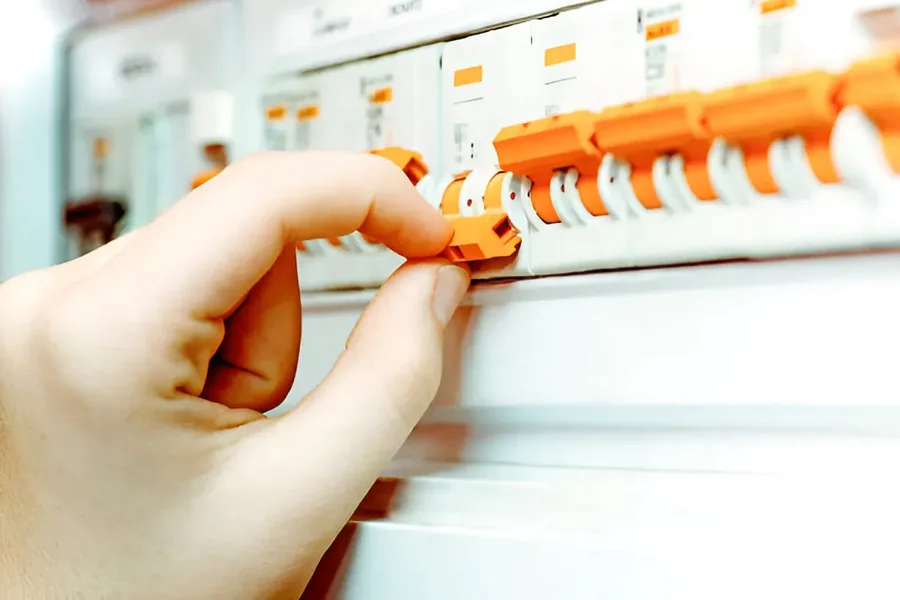
Breakers are protective devices that interrupt electrical current when faults like overloads or short circuits occur. Unlike fuses, which need replacement after a fault, breakers are designed to be reset and reused, providing long-term durability and cost-efficiency.
Types of Breakers
Different applications require different types of breakers:
- Miniature Circuit Breakers (MCB): Best for residential and small-scale applications.
- Molded Case Circuit Breakers (MCCB): Designed for commercial and industrial environments.
- Air Circuit Breakers (ACB): Typically used in high-voltage
- Vacuum and SF6 Breakers: Preferred in specialized industrial settings due to their reliability.
Core Components of Breakers
Breakers are composed of essential parts that work together to ensure protection:
- Contacts: Open and close to manage the flow of current.
- Arc Extinguishers: Help extinguish electrical arcs.
- Trip Units: Detect abnormal current levels and trigger disconnection.
Why Breaker Ratings Matter
Each breaker is rated for a specific current, voltage, and interrupting capacity. Properly selecting the right breaker ensures compatibility and performance. Incorrect selection can result in inefficiency and compromise system safety.
Breakers Protect Equipment and People
Breakers play a crucial role in safeguarding both equipment and people. They prevent overheating, fires, and damage to devices by halting abnormal currents, while also reducing the risk of electrical hazards for personnel.
The Role of Breakers in Industrial Applications
In industrial settings, breakers protect vital machinery, transformers, and power distribution networks, minimizing downtime and preventing costly equipment failure. They are essential for maintaining operational stability in large-scale power systems.
The Importance of Periodic Maintenance
Breakers require regular inspections and maintenance to stay effective. Dust buildup, wear, and fatigue can impair their performance over time. Regular servicing helps ensure their reliability and proper functioning when needed.
Innovations in Breaker Design
Modern breakers feature advanced technologies such as digital trip units, sensors, and real-time diagnostics. These innovations improve operational efficiency and safety, allowing for early detection of faults and preventing minor issues from escalating into major failures.
Maximize Breaker Efficiency Through Trusted Partnerships
While the benefits of breakers are evident, their effective deployment depends on durable equipment, reliable electrical instruments, and integrated systems. Partnering with reputable energy brands ensures access to proven frameworks designed for resilience.
Such collaborations allow industries to incorporate advanced monitoring solutions, employ tested practices, and deploy resources effectively. By working with trusted partners, organizations unlock the full potential of breakers. They achieve greater cost efficiency, enhanced safety, and operational sustainability.
In a competitive industrial sector, aligning with experienced energy providers creates a strong foundation for reliable, future-ready operations.

