
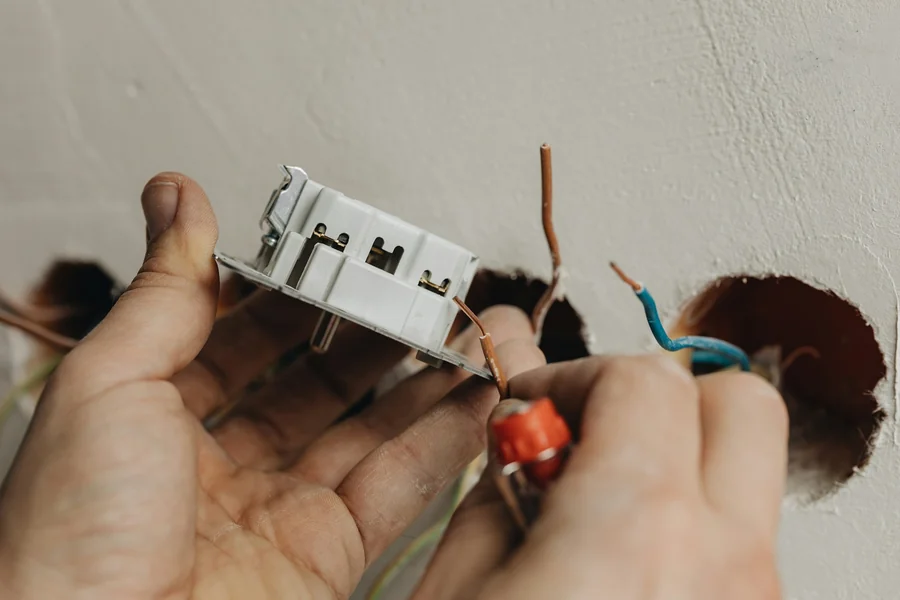
Older homes have a unique and undeniable charm. The timeless architecture, the solid construction, and the sense of history are things you simply can’t find in a new build. But beneath that beautiful character often lies an outdated and potentially dangerous electrical system that was not designed to handle the demands of our modern, power-hungry, and device-filled lives.
For the owner of an older home, being proactive about electrical safety is a non-negotiable responsibility. The wiring behind your walls is the nervous system of your house, and a problem there can have catastrophic consequences. A professional electrical repair is not just for when something breaks; it’s an essential, preventative investment in your family’s safety. Understanding the common issues can help you know when to make that critical call.
Here are six of the most common and important electrical upgrades that many older homes need.
1- Upgrading an Outdated Electrical Panel
The electrical panel is the heart of your entire system, the central hub that distributes power and, most importantly, protects your home from overloads and short circuits. Many older homes still have outdated and undersized fuse boxes or, even more dangerously, certain brands of breaker panels from the mid-20th century that are now known to be major fire hazards.
Upgrading to a modern, 200-amp breaker panel is often the single most important safety investment you can make in an older home. It provides a safer and more reliable foundation for your entire electrical system.
2- Replacing Two-Prong, Ungrounded Outlets
If your home is full of old, two-prong outlets, it’s a clear sign that your wiring system is ungrounded. The third hole on a modern outlet is the ground connection, which is a crucial safety feature. It provides a safe path for electricity to travel in the event of a short circuit, preventing a dangerous electrical shock.
All of your two-prong outlets should be replaced with modern, three-prong outlets and properly grounded by a licensed electrician. This is essential for safely using any modern, three-pronged appliance.
3- Installing GFCI Protection in “Wet” Areas
A ground-fault circuit interrupter, or GFCI, is a smart type of outlet that is designed to save your life. It constantly monitors the flow of electricity, and if it detects even a tiny imbalance (which can happen if electricity is flowing through a person), it will instantly shut off the power in a fraction of a second, preventing a deadly shock.
Modern electrical code requires GFCI protection in all “wet” locations, including kitchens, bathrooms, garages, and all outdoor outlets. Many older homes were built before these rules were in place.
4- Dealing with Old and Unsafe Wiring
The wiring itself can be a major hidden danger in an older home.
- Knob-and-Tube Wiring: Found in homes built before the 1940s, this is the oldest type of modern wiring. It lacks a ground wire, and the insulation can become brittle and unsafe over time.
- Aluminum Wiring: Used for a period in the 1960s and 70s, solid aluminum wiring can be a fire hazard at the connection points if it is not handled with special, approved techniques.
If you have this type of outdated wiring, you should have it evaluated by a professional electrician to determine if a partial or a full home rewire is needed.
5- Adding New Circuits to Handle a Modern Load
A 1950s electrical system was designed for a world that had a refrigerator, a few lamps, and a radio. It was not designed to handle a modern home with a microwave, a computer, a big-screen TV, and a host of other power-hungry devices.
A classic sign of an overloaded system is a breaker that is constantly tripping. This is your system telling you that it is being asked to do more than it was designed for. An electrician can solve this by running new, dedicated circuits from your panel to the areas of your home that have a high demand, like your kitchen or your home office.
6- Installing Arc-Fault (AFCI) Protection
This is a modern safety technology that can prevent one of the most common types of home fires. An arc-fault circuit interrupter, or AFCI, is a special type of circuit breaker that can detect the unique electrical signature of a dangerous “arc fault.” An arc fault can happen from a damaged wire inside a wall (like from a nail puncture) and is a leading cause of electrical fires.
Owning an older home is a wonderful experience, but it comes with a special responsibility. By working with a professional to proactively address these common electrical issues, you are making a smart investment in the safety of your home and your family.

