
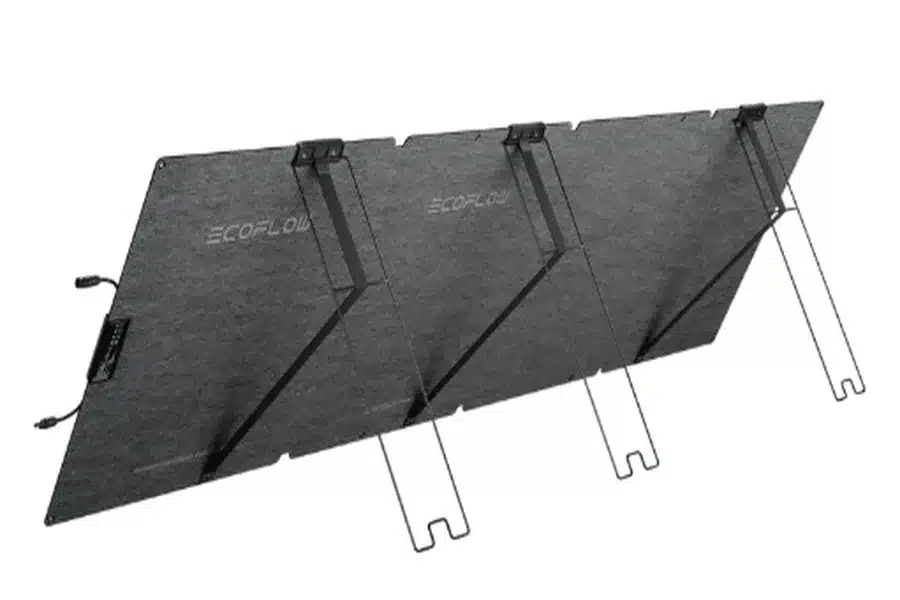
Solar panels have become a hot topic for homeowners looking to reduce their energy bills and carbon footprint. With advancements in technology and a surge in government incentives, investing in solar panels has never been more appealing. This blog dives into the financial, environmental, and practical aspects of adding solar panels to your home, helping you decide if this investment is right for you.
Understanding Solar Panel Technology
What Are Solar Panels?
Solar panels, also known as photovoltaic panels, are sophisticated devices designed to capture the energy from sunlight and transform it into usable electricity. These panels are primarily made up of photovoltaic cells, which are crafted from semiconductor materials such as silicon. When these photovoltaic cells are exposed to sunlight, a process known as the photovoltaic effect takes place, where photons from the sunlight excite electrons in the semiconductor material, creating an electric current. This clean and renewable form of energy can be harnessed to power homes, businesses, and even entire communities, significantly reducing our dependence on traditional, non-renewable energy sources like coal, oil, and natural gas. By utilizing solar panels, we not only contribute to a reduction in greenhouse gas emissions but also move towards a more sustainable and environmentally friendly future.
How Do Solar Panels Work?
Solar panels work by capturing sunlight through photovoltaic cells and converting it into direct current (DC) electricity. This DC electricity is then converted into alternating current (AC) electricity by an inverter, making it suitable for household use. The process is efficient and sustainable, offering a renewable energy source right at your home.
Financial Benefits of Solar Panels
Reducing Electricity Bills
One of the most significant advantages of investing in solar panels is the reduction in electricity bills. By generating your electricity, you rely less on grid power, which means lower monthly energy costs. Depending on the size of your solar panel system and local electricity rates, savings can be substantial, often resulting in a quick return on investment.
Increasing Property Value
Homes equipped with solar panels tend to have higher property values. Potential buyers are attracted to the prospect of lower energy bills and the eco-friendly nature of solar energy. Studies have shown that homes with solar systems sell faster and at higher prices than those without, making solar panels a wise investment for increasing your property’s market value.
Environmental Impact of Solar Energy
Reducing Carbon Footprint
Installing solar panels is one of the most effective ways to reduce your carbon footprint. Solar energy is clean and renewable, unlike fossil fuels, which emit harmful greenhouse gases. By switching to solar power, you contribute to a significant reduction in air pollution and help combat climate change.
Supporting Renewable Energy
By investing in solar panels, homeowners support the broader adoption of renewable energy sources. This shift reduces dependency on non-renewable resources, encouraging innovations and advancements in renewable technologies. Supporting solar power helps drive the transition to a more sustainable energy infrastructure.

Practical Considerations for Homeowners
Installation Process
The installation process for solar panels begins with a site assessment to determine the best location and system size for your home. Professional installers handle the entire procedure, from mounting panels on the roof to connecting the system to your electrical grid. Most installations are completed within a few days, minimizing disruptions to your daily routine.
Maintenance and Longevity
Solar panels require minimal maintenance to ensure efficient performance. Regular cleaning to remove dust and debris, along with periodic inspections by a professional, will keep your system in top condition. Solar panels are durable and can last 25-30 years, providing a long-term energy solution with minimal upkeep.
Government Incentives and Rebates
Federal and State Programs
Numerous federal and state programs offer incentives and rebates to homeowners who install solar panels. The Federal Investment Tax Credit (ITC) allows homeowners to deduct a significant portion of their solar panel installation costs from their taxes. Many states also offer additional incentives, including rebates, tax credits, and performance-based incentives.
Eligibility and Application Process
Eligibility for incentives and rebates varies by program and location. Homeowners typically need to meet specific criteria, such as using certified installers and meeting energy efficiency standards. The application process involves providing documentation of your solar installation and proof of purchase. Consult with your installer or local government office to navigate the details smoothly.
Conclusion
Solar panels present a smart investment for homeowners looking to save on energy costs and support environmental sustainability. With financial benefits like reduced electricity bills and increased property value, along with supportive government incentives, the adoption of solar technology is a practical and forward-thinking choice. Engaging in this renewable energy solution not only benefits your wallet but also contributes positively to the planet.

