

Choosing the right dual battery system for your 4wd or camping rig is crucial for a smooth adventure. Both portable and traditional systems offer unique benefits, but they cater to different needs and situations. Understanding these systems and their specific advantages can help you make an informed decision. For those venturing off-road or into remote locations, a dependable power source is essential. Whether you are a weekend camper or a long-haul traveler, knowing the difference between these setups will ensure your power needs are met. Let’s delve into the world of dual battery systems and explore which option aligns with your lifestyle and power expectations.
What Is a Traditional Dual Battery Setup?
Fixed Installation and Vehicle Integration
A traditional dual battery system is a fixed installation, seamlessly integrated into your vehicle. Mechanics mount it within the engine bay or rear cargo area, ensuring it’s secure and stable. This setup taps directly into the vehicle’s electrical system, making it a permanent fixture. It requires careful plan and professional installation to ensure compatibility and optimal function. Owners often choose this setup for reliability and because it can handle heavy, consistent power demands typical in off-road adventures. It’s an ideal solution for those who frequently travel long distances and need a constant power source without worrying about repositioning the equipment.
Common Components and Wiring
Traditional setups include a secondary battery, isolators, and heavy-duty wiring connecting the system to the vehicle’s alternator. The isolator separates the primary battery, ensuring it remains charged for standard vehicle operation. Expertly routed wiring ensures minimal voltage drop and efficient energy use. This configuration may include additional components like solar panel connections or inverter units for increased functionality. There’s ample customization available, allowing enthusiasts to tweak the system according to specific power needs. Owners must regularly check connections and components for maintenance to ensure long-term performance and safety.
Pros and Ideal Use Cases
One major advantage of traditional systems is their reliability and robustness, ensuring power delivery even in challenging conditions. Fixed installations minimize the risk of disconnection while maneuvering over rough terrain. Thanks to their integration, they often support higher electrical loads, ideal for users operating multiple devices or appliances while camping. It’s perfect for extended tours, where consistent and dependable power is necessary. Enthusiasts and adventurers who travel frequently and require high-capacity power solutions will find this system invaluable. This setup fits those who invest time in camping gear and appreciate the vehicle’s cohesive power capability.
What Is a Portable Dual Battery System?
Key Features and Plug-and-Play Design
Portable dual battery systems boast user-friendly plug-and-play designs, making them simple to set up and move. These systems usually sit in a convenient pack, allowing users to connect and deploy quickly without needing mechanical expertise. Designed for versatility, they can be easily detached and used independently from the vehicle. Such systems often include all-in-one battery packs with integrated controllers and inverters. Portable designs don’t demand complex wiring setups, reducing installation time and effort. They are especially handy for those needing quick power solutions in varied locations without hassle.
Ease of Use and Flexibility
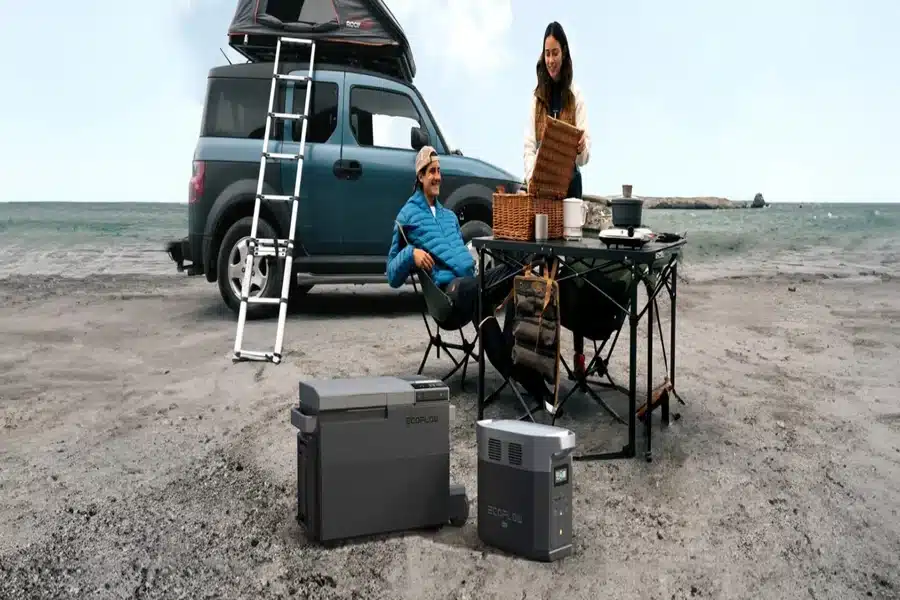
The portability of these systems offers unmatched flexibility, allowing users to power devices at campsites, during picnics, or on the road. They adapt easily to new environments, especially if your activities or needs change. People can use them both inside and outside their vehicles, granting freedom to those who explore different terrains and locations. They’re perfect for users seeking a no-fuss setup that can be adjusted as needed. It’s easy to see why casual adventurers prefer portable systems — they demand minimal technical knowledge and offer convenient power availability anywhere.
Pros and Best Applications
Simplicity and mobility are key advantages. Users benefit from easy transport, setup, and removal. These systems are designed for lightweight users, people who go on short camping trips or occasional off-grid adventures. The practical design makes them popular among renters or those with multiple vehicles, as they can be swapped quickly between setups. They provide a cost-effective way to access reliable power for fewer demands. Those who need power backups and want effortless management will appreciate the design of portable dual battery systems.
Head-to-Head Comparison: Key Differences
Installation and Portability
Traditional setups require permanent installation, demanding more time and effort initially, while portable systems offer easy setup without extensive tools or knowledge. Fixed installations provide stability and integration, whereas portable ones provide adaptability to different environments. Traditional systems become part of the vehicle, ensuring continuous power, but lack mobility, whereas portable options can move with the user, ideal for temporary use at campsites or as secondary power in varied locations.
Power Capacity and Expandability
While traditional battery setups often offer higher capacities and expandability, portable systems provide sufficient energy for most casual users with far greater flexibility and ease. Their lightweight design and simple deployment make them ideal for modern adventurers who prioritize convenience. With advances in battery technology, portable systems now deliver respectable power output that supports essential devices without the bulk or complexity of permanent systems. For users needing short bursts of reliable power, portable systems are more than capable and easier to manage.
Cost, Maintenance, and Longevity
Portable systems shine in terms of affordability and low upkeep. Unlike traditional setups that require high upfront investment and ongoing maintenance, portable power units are cost-effective and hassle-free. They offer a plug-and-play solution that doesn’t involve complex installation or long-term commitments. For users with occasional power needs or those who prefer flexibility, portable systems minimize financial risk while still delivering dependable performance. Their simplicity makes them especially appealing to budget-conscious users who value practicality over permanence.
Which System Should You Choose?
For Weekend Campers and Casual Users
Portable systems are the clear winner for weekend campers and occasional adventurers. Their lightweight, compact form makes transport easy, and setup requires no technical expertise. These systems are perfectly suited for powering a few essential devices during short trips, allowing users to enjoy their time outdoors without worrying about complicated configurations. For anyone without a dedicated camping vehicle or long-term travel plan, portable power solutions offer unmatched convenience.
For Long-Term 4WD Touring and Heavy Use
Even though traditional systems are typically used for extended off-grid travel, portable systems have evolved to support longer trips with modular expandability and efficient energy use. With the right configuration, users can combine multiple portable units or solar options to meet increased power demands without committing to permanent installations. Their adaptability allows off-road travelers to fine-tune power setups based on specific trip needs, ensuring reliability without the burden of a fixed system.
Matching Budget to Power Needs
When it comes to balancing cost and utility, portable systems offer the best value proposition for most users. Their lower initial cost makes them accessible, and their scalability allows users to upgrade gradually if needed. Instead of a single large investment, portable systems support incremental spending aligned with changing power requirements. For anyone uncertain about future energy demands or wanting flexibility in usage, portable setups provide financial and functional advantages that are hard to overlook.
Conclusion
Selecting between portable and traditional dual battery systems depends heavily on individual needs and preferences. Consider your activity level, power demands, and budget when evaluating these options. Each system presents distinct benefits tailored to specific lifestyles – portable systems offer simplicity and versatility for casual use, while traditional setups cater to those requiring robust and enduring power solutions. Understanding these dynamics helps ensure that your adventures remain powered smoothly, aligning one’s choice with both immediate use and future requirements. Make the decision that best fits your journey and energy demands, ensuring dependable performance wherever adventure takes you.

