
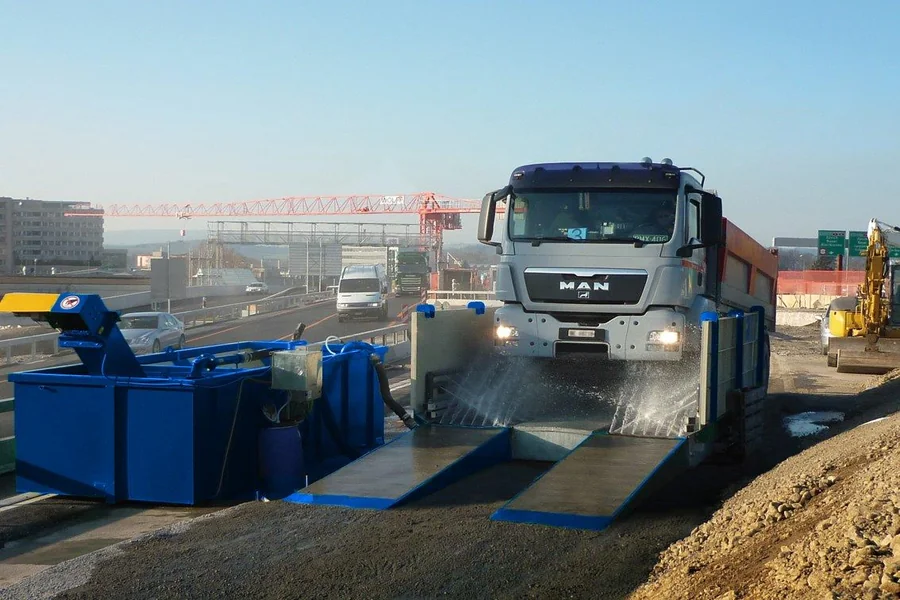
Maintaining cleanliness and safety on construction sites and industrial areas is more than just a matter of good practice. It is also about compliance. For industries that rely on vehicles to move goods and materials, the need to control the dirt and debris they carry onto roads and highways is vital. But why are wheel wash systems so crucial for industry compliance?
Keeping Roadways Clean and Safe
A truck often picks up mud, dirt, and debris while travelling through construction or mining sites. When it leaves these areas, it carries the mess onto public roads. Such conditions can create hazardous driving environments, causing accidents and damage to infrastructure. This is where wheel wash systems are essential. They are designed to clean vehicle wheels before they leave a site, stopping dirt and debris from being transferred onto roads.
Not only do these systems contribute to safer driving conditions, but they also help to keep communities clean and free from unnecessary dirt. By using a wheel wash system, industries can mitigate the impact their operations have on local environments and traffic.
Ensuring Compliance with Environmental Regulations
Industries in sectors like construction, mining, and agriculture face strict environmental regulations to protect public health and the environment. In many areas, transferring dirt and debris onto public roads is a violation of these rules. Wheel wash systems help companies meet these legal requirements. They ensure vehicles comply with cleanliness standards, preventing costly fines and legal action. Regular use of these systems is an effective way to stay in compliance with local laws.
Reducing Environmental Impact
Environmental responsibility is crucial across industries. Companies using wheel wash systems actively reduce their environmental impact. These systems clean vehicles and help prevent contaminants from spreading into surrounding ecosystems.
In many regions, dirt and mud from construction sites can lead to soil erosion, water pollution, and the spread of invasive species. Wheel wash systems reduce these risks by ensuring vehicles leave the site free of harmful materials. By investing in these systems, industries demonstrate their commitment to sustainability and responsible operations.
Improving Operational Efficiency
Wheel wash systems are not just about compliance; they also improve operational efficiency. Cleaning vehicles before they leave a site ensures they are ready for further use and prevents the need for extensive cleaning upon return. This saves companies time and money, as well-maintained vehicles require fewer repairs and last longer.
Maintaining a clean fleet can also enhance a company’s reputation. Customers and partners will appreciate the commitment to cleanliness and professionalism. This can lead to more business opportunities and a competitive edge in the industry.
Professional Support in Wheel Wash Setup
When selecting and installing a wheel wash system, it is important to work with a professional service provider. Experts can assess the specific needs of a site and recommend the most appropriate system for the operation. They also offer installation, maintenance, and repair services, ensuring that the system functions optimally for years to come.
A professional service provider understands the challenges involved in cleaning vehicles on industrial sites and can tailor solutions to suit individual requirements. With the right system in place, industries can focus on their core operations, knowing that their vehicles will always be compliant and safe for public roads.
A wheel wash system is vital for maintaining road safety, environmental protection, and regulatory compliance. It helps industries minimise their environmental impact, enhance operational efficiency, and avoid legal issues. By investing in such a system, a truck can operate more efficiently, ensuring cleaner operations, safeguarding public roads, and maintaining a positive reputation in the industry. It also supports a more sustainable and responsible approach to industrial operations.

