
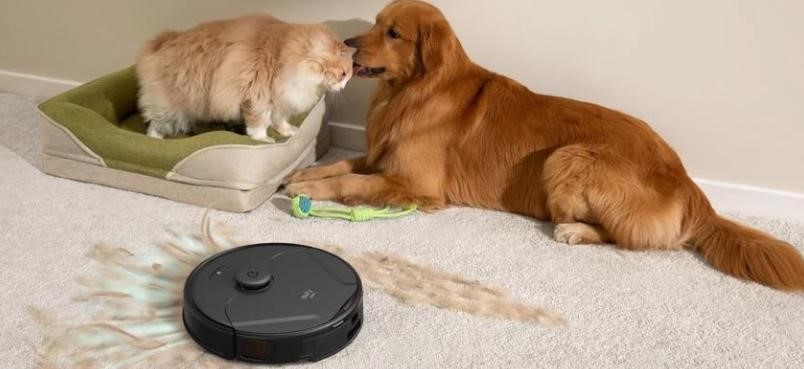
Pets bring energy, warmth, and companionship into a home, but they also shed fur and spread dander more quickly than many owners expect. Even a single dog or cat can leave noticeable traces around the house in just a few hours, especially on light-colored flooring. Traditional cleaning often feels endless, and skipping a few days quickly leads to buildup that irritates allergies or leaves the home looking unkempt. Robot vacuums offer a way to stay ahead of this cycle, providing consistent cleaning that fits into daily routines. In this article, we will look at how often pet owners should run their robot vacuum, considering factors like pet type, home size, and lifestyle patterns.
Factors Influencing Cleaning Frequency
Pet Breed and Shedding Intensity
Not all pets shed at the same rate, which makes breed and coat type important factors in cleaning frequency. Long-haired dogs or double-coated breeds may release large amounts of fur that demand daily vacuuming, while short-haired cats might leave lighter traces manageable with less frequent runs. Shedding intensity can also vary by season, making spring and fall especially challenging. Owners searching online for solutions like how to get dog pee smell out of carpet often realize that fur management goes hand in hand with odor control, and a consistent cleaning schedule reduces both problems. Recognizing your pet’s shedding habits helps you decide whether once-a-day cleaning is enough or if multiple runs are necessary.
Home Size and Flooring Types
The layout of your home also determines how often the robot should run. Larger spaces naturally collect more fur and dust, requiring more frequent coverage to avoid accumulation. Flooring material plays a role as well: carpets trap dander and hair deeply, while hardwood or tile shows debris quickly but releases it more easily. Smaller apartments with minimal square footage may get by with every-other-day cleaning, while multi-level homes with pets often benefit from daily or even twice-daily routines. Matching your vacuum schedule to your home’s characteristics ensures efficiency without unnecessary wear on the device.
Strategic Timing for Maximum Effectiveness
Post-Meal or Play Sessions to Capture Loose Hair
Mealtime and playtime are often followed by a burst of activity from pets, which leads to more fur and crumbs spreading across the floor. Scheduling the robot vacuum immediately after these moments helps capture loose hair and spilled food before it spreads further. This approach reduces the chances of allergens embedding into carpets or being carried around by footsteps. It also creates a routine where the home feels tidier right after high-energy activity, which many owners appreciate when winding down. Making cleaning part of the natural rhythm of your pet’s day keeps fur under control with minimal effort.
Overnight Cleaning for Minimal Disruption
For households that prefer minimal noise during the day, overnight cleaning can be a practical alternative. While most people are sleeping, the robot can work quietly in common areas, leaving the space fresh for the morning. This method is especially effective in open-floor homes where fur gathers in large visible patches. The convenience lies in waking up to clean floors without needing to supervise the machine. However, it is important to make sure pets are comfortable with the robot moving at night, especially if they are sensitive to unfamiliar sounds.
Complementing Manual Cleaning
Weekly Deep Cleaning for Embedded Hair
Even the best robot vacuum cannot fully replace traditional cleaning methods, particularly when it comes to embedded pet hair. Upholstery, corners, and thick rugs often trap fur that requires manual vacuuming with attachments or brushing tools. Setting aside time for weekly deep cleaning keeps these areas under control while the robot manages daily maintenance. This balanced approach prevents overlooked spots from becoming long-term problem zones. Combining both methods ensures a truly clean environment that meets the higher demands of pet ownership.
Focused Sessions During Seasonal Shedding Phases
Pets often shed more heavily in specific seasons, making those times especially challenging for owners. During these shedding phases, increasing robot vacuum runs to twice a day can be highly effective. Morning sessions capture overnight buildup, while evening runs reset the space before bedtime. This prevents excessive fur from drifting into furniture or circulating into the air. Adapting the schedule temporarily ensures your home stays manageable even during peak shedding weeks.
Technology to Simplify Routine Management
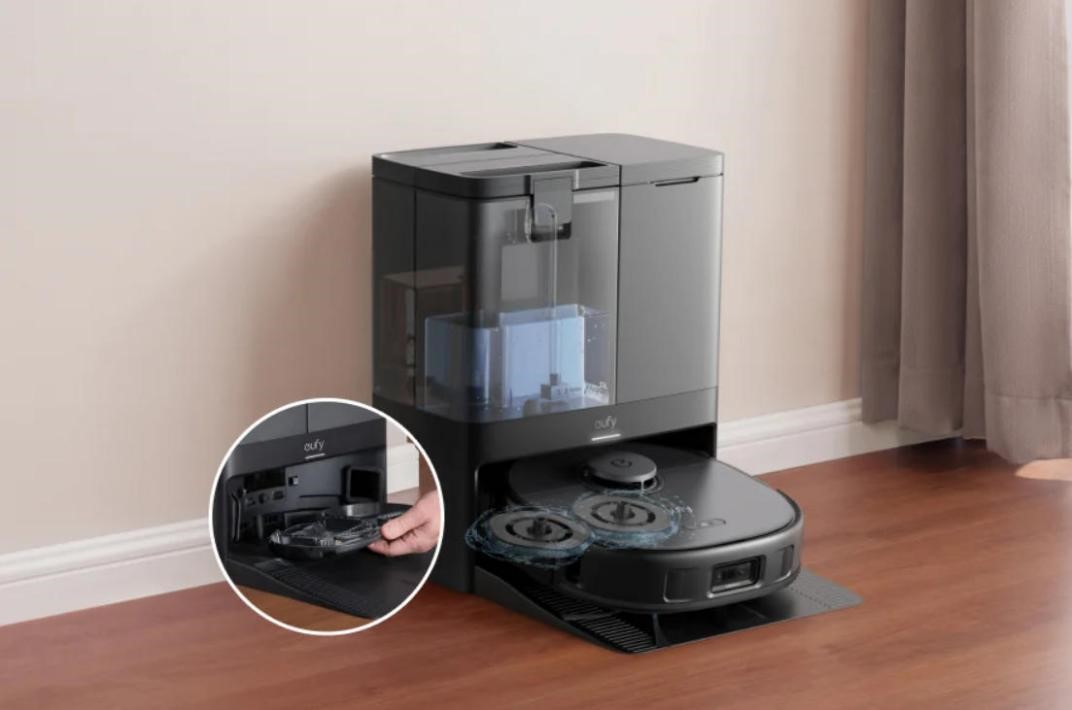
Modern robot vacuums come with features that make scheduling much easier for pet owners. App-based controls allow you to set automatic routines, monitor cleaning history, and adjust schedules without constant oversight. Smart mapping technology ensures that high-traffic zones receive more attention, keeping common areas like kitchens and living rooms cleaner throughout the day. Some models even detect dirtier spots and adjust their power accordingly, saving time and energy. For pet households, these tools reduce the stress of remembering when to run the vacuum, creating a system that works in the background while you focus on daily life.
Conclusion
There is no single answer to how often a robot vacuum should run in homes with pets, because every household has different needs. The best approach considers pet breed, home layout, and lifestyle while adapting to seasonal changes and daily routines. Like eufy’s robot cleaner, which has helped many pet owners maintain cleaner homes more effortlessly, the right technology makes following a schedule much easier. A combination of regular automation and occasional manual care provides the most effective balance. With patience and consistency, your robot vacuum becomes a reliable partner in keeping your home comfortable, hygienic, and welcoming for both people and pets.

