
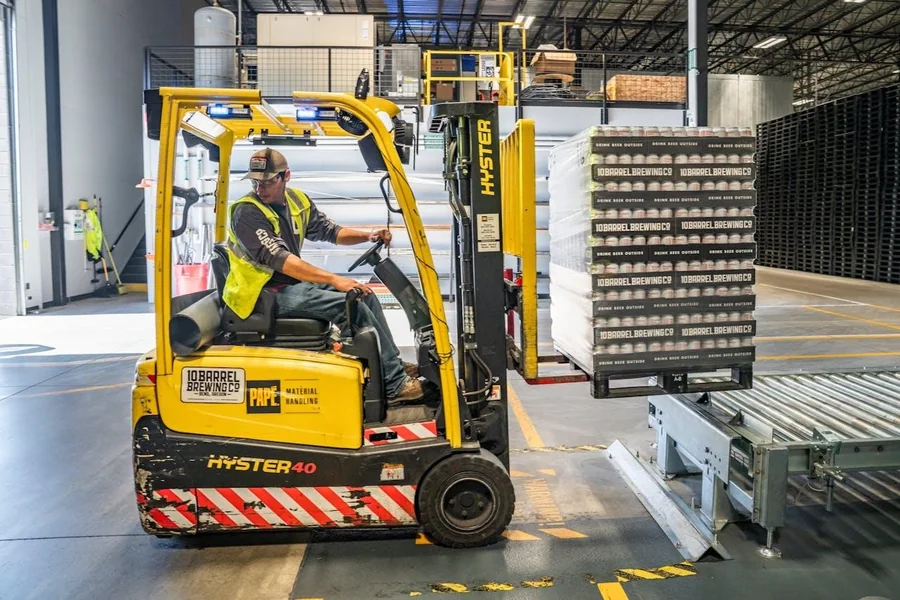
Ever tried to keep a business running when everything suddenly stops working? The sound of silence in a halted warehouse is louder than any alarm. Machines idle, staff wait, and the clock turns every minute into money lost. That’s when timing becomes the invisible currency of business continuity.
Today’s operations move at lightning speed, but so do disruptions. A single missing part or delayed shipment can throw an entire system off balance. And while most companies talk about efficiency, only the best understand that precision timing—not perfection—is what keeps everything together when the pressure builds.
In this blog, we will share how timing defines business continuity, why supply precision separates leaders from laggards, and how the right partners make response time a competitive advantage instead of a costly scramble.
The Fast Lane Is Built, Not Borrowed
Modern businesses live in the “need it now” economy. Production lines can’t sit still, and downtime isn’t just an inconvenience—it’s a crisis. One machine failure can delay a week’s worth of output, which means every supplier in your network needs to deliver with accuracy and speed.
That’s why businesses that depend on material handling equipment often turn to Intella Parts Company, a trusted U.S.-based supplier specializing in aftermarket forklift parts for leading brands like Hyster, Yale, and Toyota. They understand that timing isn’t optional—it’s essential. With fast delivery, broad inventory, and detailed search options by brand and model, they give operations teams the ability to get back up and running in hours, not weeks.
So if you’re looking for a resource that helps you plan ahead and stay operational during breakdowns, check these for more ways to reduce downtime through smarter parts sourcing and faster service.
The Precision Factor in Supply Strategy
Businesses once saw supply management as a behind-the-scenes task—placing orders, tracking shipments, and hoping everything arrived when expected. But in today’s high-pressure markets, precision supply has become a central part of strategy. It’s not about keeping shelves full; it’s about understanding what matters most and when it will be needed.
Across industries, more companies are now using maintenance data to guide purchasing decisions. Instead of waiting for breakdowns, they analyze service histories and equipment performance to identify which components fail most frequently. This shift allows them to order critical parts ahead of time, reducing delays and avoiding costly production pauses.
That’s the quiet power of precision supply. It’s not just about moving faster—it’s about anticipating need and responding before small issues become expensive setbacks.
Crisis-Proofing the Supply Chain
Emergencies don’t wait for office hours. A bearing can fail at 2 a.m., or a pallet jack can stop working during a holiday rush. In moments like these, your supply chain either performs or it doesn’t.
The most resilient companies build what’s called a “continuity loop.” It’s a system designed for quick pivoting—one that keeps critical parts in near reach, has clear communication channels with vendors, and relies on trusted logistics partners. When a disruption occurs, they don’t panic; they activate.
This approach is especially important in industries with thin margins, where a single delay can snowball into missed deliveries and customer complaints. A well-timed supply network is like a trained reflex—it reacts instantly without overthinking.
Timing Is the New Profit Margin
Think about how fast consumer expectations have shifted. Customers track packages in real time, expect instant updates, and want replacement parts yesterday. Businesses that can’t meet that speed lose more than just sales—they lose trust.
That’s why operational timing has become its own form of currency. When systems fail, it’s not enough to have good intentions—you need precision execution. Successful companies now measure performance not only in productivity but in response time.
How Businesses Build Precision from the Ground Up
Creating a system that works under pressure isn’t magic—it’s method. Businesses that excel in timing do a few key things differently:
- They map vulnerability points. Which machines break most often? Which parts have the longest wait times?
- They use digital tracking systems. Real-time monitoring replaces guesswork with visibility.
- They train staff for quick escalation. The faster issues are reported, the faster they can be resolved.
- They build long-term supplier partnerships. Working with vendors that understand your urgency saves time when it counts.
Precision supply isn’t just about logistics—it’s about trust. It means knowing that when something breaks, your partner is already two steps ahead.
The Everyday Emergencies No One Plans For
Not all emergencies look dramatic. Some are quiet, creeping losses that come from small inefficiencies. A delay here. A restock there. Over time, these minor hiccups add up to serious financial erosion.
Consider a mid-sized manufacturing plant that loses two hours each week waiting for late shipments of essential filters. On paper, that seems manageable. But over a year, it equals more than 100 hours of downtime—enough to disrupt output and delay multiple orders.
This is why timing is not a luxury—it’s a safeguard. Precision supply allows businesses to plan, not pray. To recover, not react. It transforms maintenance into momentum.
Data, Demand, and Decision-Making
Data has become the quiet hero of continuity. Businesses that track their parts usage, response times, and vendor performance can make smarter decisions faster. It’s the foundation of predictive planning.
In fact, many organizations are now using AI-driven analytics to flag potential slowdowns before they happen. Imagine a system that tells you a conveyor belt motor will fail in 10 days. You can order the part now, schedule the repair, and avoid the emergency altogether.
That’s what precision looks like when it meets technology—it’s proactive, not reactive.
Where Readiness Meets Reliability
True continuity isn’t about avoiding problems—it’s about mastering them. The best-run businesses accept that things will go wrong. They focus on how to shorten the gap between “problem found” and “problem fixed.”
Timing fills that gap. It’s what connects strong leadership, efficient supply, and reliable partnerships into one smooth system. And when those elements align, pressure turns into performance.
In today’s environment, where every industry faces tighter schedules and higher expectations, precision supply is no longer a behind-the-scenes process. It’s front-line strategy. It’s how businesses survive the unpredictable, outperform competitors, and protect their momentum when everything’s on the line.
The lesson is simple: precision isn’t about perfection—it’s about preparedness. When timing works in your favor, continuity becomes second nature. And when it doesn’t, well, every second reminds you why it should have.

